

Table of Contents
Echo Generation 2 on PC
Echo Generation 2 is the kind of sequel that makes a decisive break from expectation. Rather than simply repeating the suburban mystery-and-nostalgic-adventure tone of its predecessor, Cococucumber pushes the series into a broader science-fiction space, turning a family absence into something stranger, darker, and more cosmic in shape.
That change gives the game an immediate sense of identity. The game comes across as confident in its visual language, with the studio’s familiar voxel style still carrying a lot of charm. The world is crisp, colourful, and expressive, but there is also a more ominous atmosphere sitting underneath its brighter surfaces. It is not just another cosy adventure with card battles attached; it wants to feel like a mystery that has outgrown its home town.
The story benefits from that ambition, especially when it shifts between characters and perspectives. The returning Jack remains the connective tissue, but the wider cast gives the game more room to play with tone, setting, and emotional stakes. Some chapters land better than others, and not every thread has the same pull, but the structure gives Echo Generation 2 a stronger sense of scope than a more straightforward sequel might have achieved.
Deckbuilding Gives The Journey Its Shape
The biggest shift is in combat. Echo Generation 2 trades a more traditional turn-based adventure rhythm for a deckbuilding system built around characters, cards, party composition, and enemy weaknesses. It is approachable rather than intimidating, which works in the game’s favour.
This is not a punishing card battler that expects players to understand genre theory before the first fight. It introduces its systems cleanly and allows experimentation without burying the adventure under too many layers.
Each hero brings their own deck and combat identity, and the later party building adds welcome variety. There is satisfaction in finding combinations that break enemy defences, generate openings, or let one character support another at the right moment. The best fights make the deck system feel like an extension of the story’s ensemble structure, in which different personalities become tactical tools.
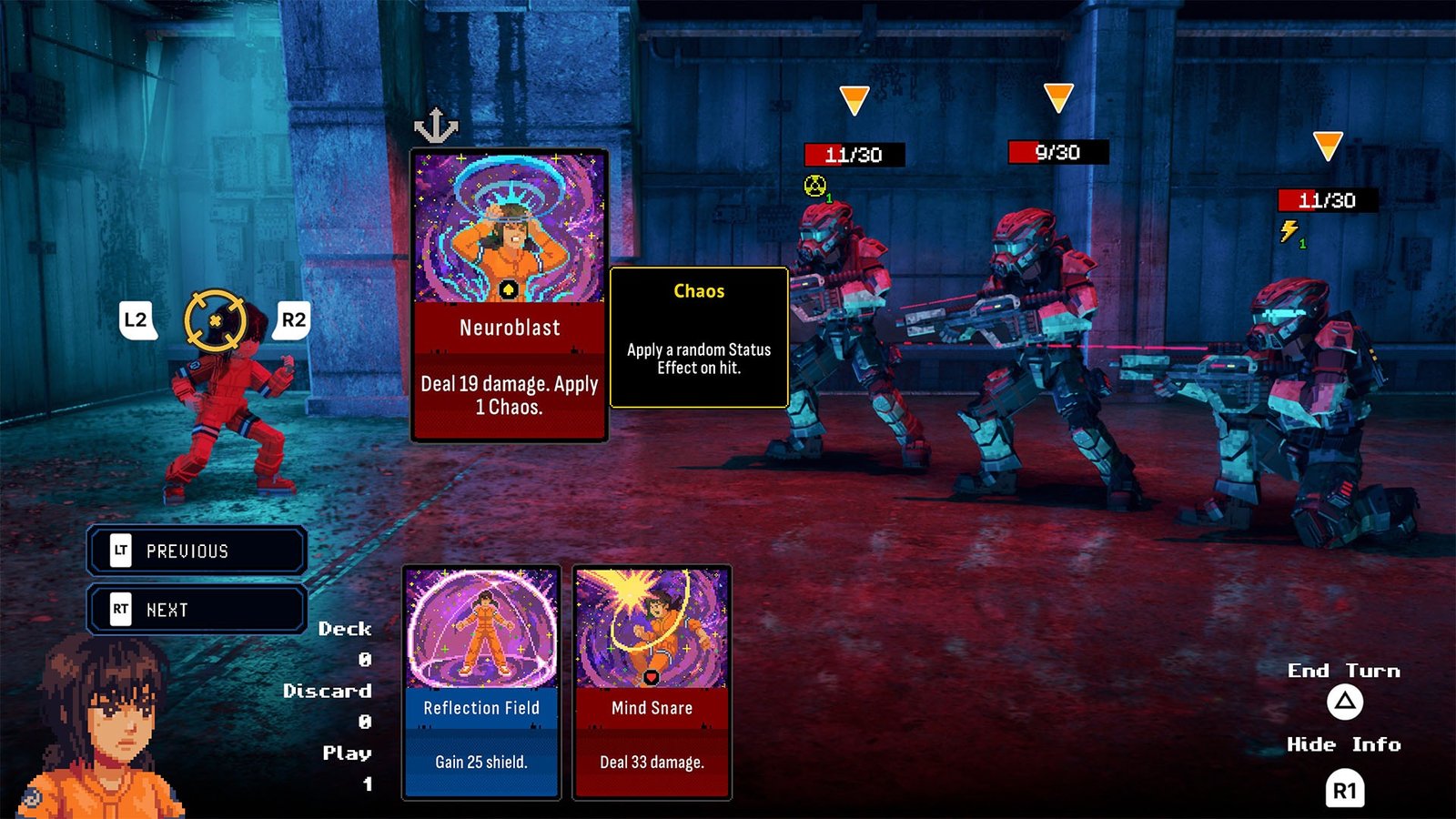
However, the system does not always maintain that spark. Once the basic rhythm becomes familiar, some encounters begin to feel more functional than exciting. The card play is enjoyable, but it rarely develops into something as deep as dedicated deckbuilding fans might hope for. There are upgrades, badges, and deck choices to shape your approach, yet the game often feels more interested in keeping momentum than forcing genuinely difficult strategic decisions.
Style Carries A Lot Of Weight
Visually, Echo Generation 2 remains one of those indie games that understands the power of a strong silhouette. Cococucumber’s voxel work gives the world a handcrafted quality, with enough detail to make each scene feel considered without losing the playful blocky charm that defines the studio’s output. The presentation is clean and readable, and the combat interface fits comfortably into the game’s broader style.
The soundtrack and mood also do a lot of heavy lifting. The game leans into synth textures, strange environments, and genre references without feeling like it is only trading on nostalgia. At its best, it feels like a late-night science fiction serial filtered through a toy box, moving between wonder, danger, and oddball humour with an easy sense of personality.
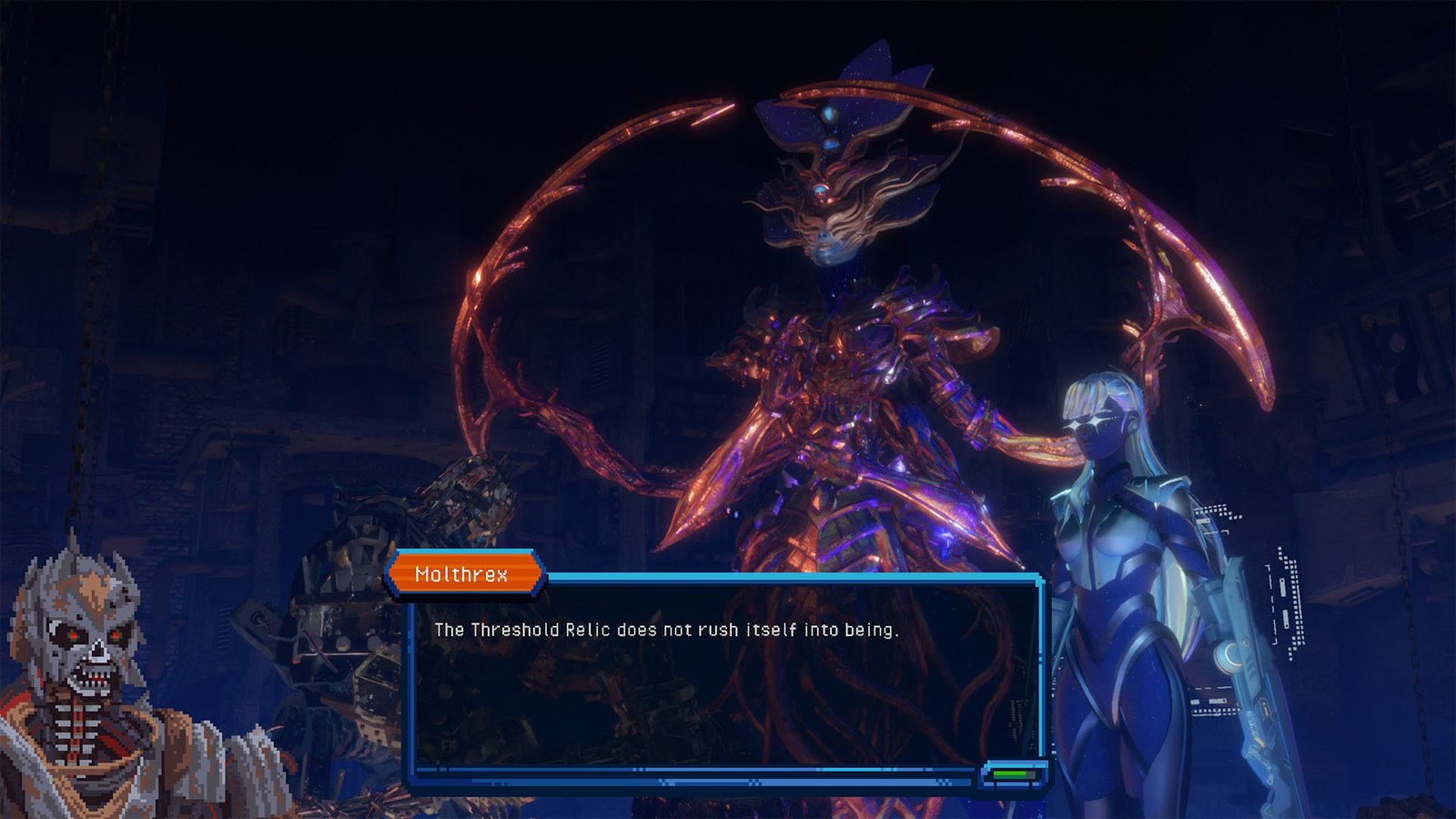
The problem is that the presentation sometimes has to carry sections where the pacing softens. The adventure can feel stop-start, particularly when movement, exploration, or repeated combat slows the urgency of the wider mystery.
There are moments where the game’s ambition is obvious, but the execution does not quite have the same sharpness. Echo Generation 2 is rarely dull, but it does occasionally feel stretched in places where a tighter structure would have helped.
A Strange Adventure With The Right Audience
What makes Echo Generation 2 interesting is also what makes it uneven. It is not content to be a safe follow-up, and that deserves credit. Cococucumber has taken a familiar universe and pushed it into a new genre, building something that feels recognisably connected to the first game while still pursuing a different creative identity.
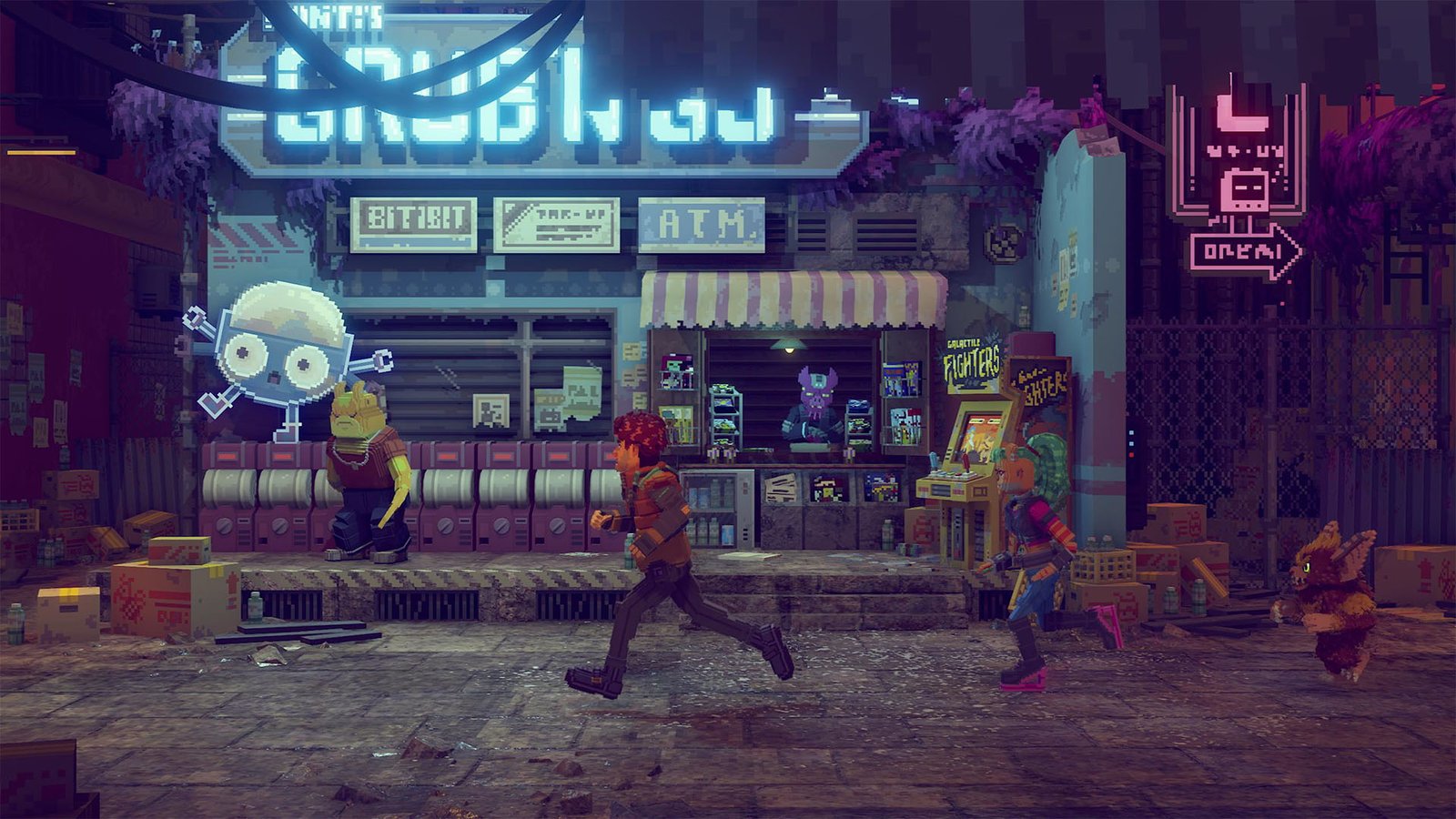
That risk pays off most clearly in its atmosphere, art direction, and accessible combat loop. Players who enjoy indie RPGs with strong visual personality, light deckbuilding, and unusual science fiction storytelling will likely find plenty to appreciate here. It is charming, strange, and often more memorable than its mechanical simplicity might suggest.
At the same time, Echo Generation 2 is not quite the complete cosmic leap it wants to be. Its card systems are enjoyable without being especially deep, its pacing can wobble, and some chapters have more impact than others. Still, there is enough imagination here to make the journey worthwhile. It may not fully master every system it introduces, but it remains a bold and distinctive sequel with a clear creative spark.
Echo Generation 2 is available now on PC and Xbox Series X|S.
SavePoint Score
Summary
Echo Generation 2 is imaginative, stylish, and easy to admire, with accessible deckbuilding and a striking science fiction identity. However, its uneven pacing, limited strategic depth, and occasional balance issues keep it from fully reaching orbit.
