

Table of Contents
Game of Thrones: War for Westeros Delayed as PlaySide Shares New Details
PlaySide Studios has delayed Game of Thrones: War for Westeros from its original 2026 launch window to early 2027. The real-time strategy game was revealed during Summer Game Fest 2025, immediately catching attention for finally giving Westeros the kind of large-scale strategy treatment the franchise has long seemed built for.
Between rival houses, shifting alliances, battlefield command, and the threat of the Night King, the world of HBO’s Game of Thrones is a natural fit for the RTS genre. Players eager to command the armies of Westeros will now have to wait a little longer, but PlaySide says the delay is being made to help the game reach the quality level the studio is aiming for.
PlaySide Says Development Is Progressing Well
In a new development update, PlaySide said work on Game of Thrones: War for Westeros is progressing well, with more updates and reveals planned over the coming weeks. The studio explained that the move to early 2027 gives the team additional time to continue building towards a real-time strategy game that meets the expectations of both RTS players and Game of Thrones fans.
For Game of Thrones: War for Westeros to work, it needs to satisfy players who care about faction balance, unit behaviour, map control, and tactical depth, while still feeling recognisably tied to Westeros.
Four Factions Will Fight for the Iron Throne
PlaySide also shared new details on the game’s playable factions. Players will be able to lead House Stark, House Lannister, House Targaryen, or the Night King’s Army of the Dead. Each faction will include iconic heroes who can influence battles, level up, unlock new abilities, and strengthen nearby armies.
Jon Snow is described as a frontline leader who rallies the troops around him, while Tywin Lannister focuses on deliberate battlefield precision and tactical control. That already suggests each faction will be built around more than cosmetic differences.
Squad Combat and Map Control Are Key Focuses
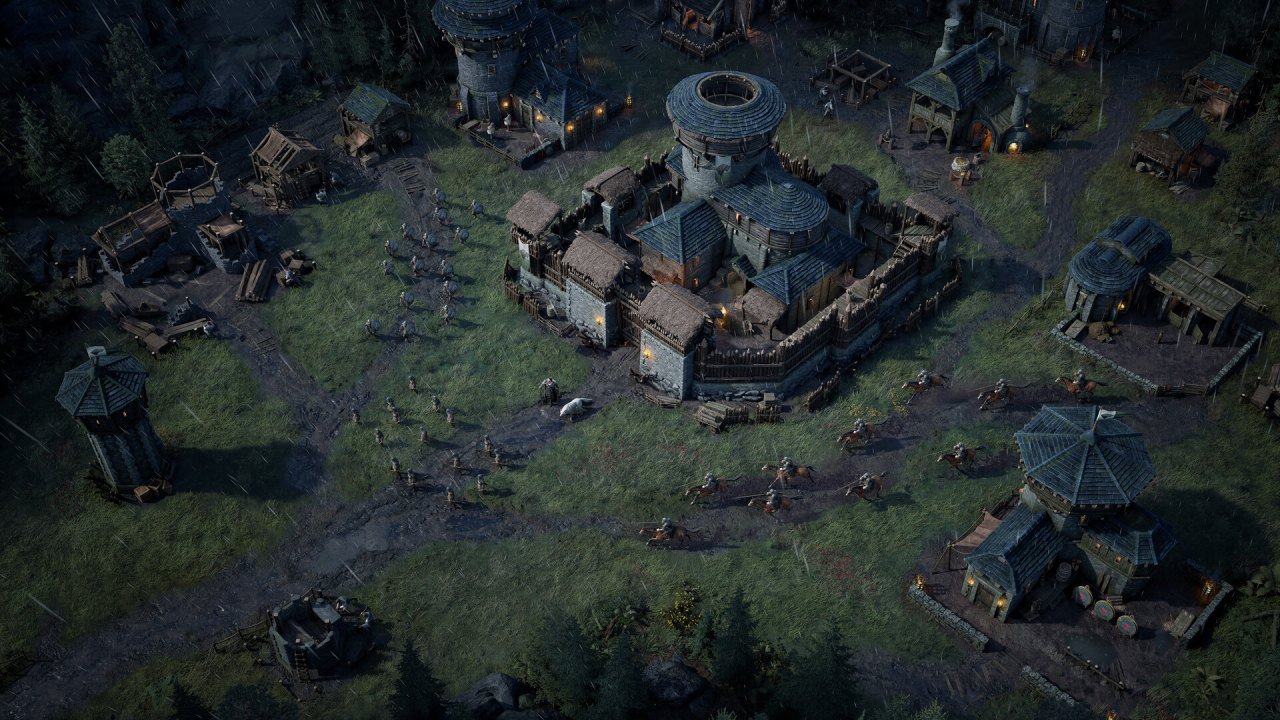
The studio says it is placing major emphasis on responsiveness, unit behaviour, and physical impact. Rather than controlling only individual soldiers, players will command squads that react dynamically to orders. Cavalry, for example, can break through exposed archer lines, while specific counter-units such as spearmen will be needed to stop charges effectively.
Maps are also being designed around large-scale movement and territory control, with locations including King’s Landing, The Wall, and battlefields inspired by key regions across Westeros. One map currently in development is Ashemark, a focused 1v1 battlefield set in the Westerlands. PlaySide says it features open lanes and defensible positions, giving players opportunities to pressure, hold, flank, and counterattack.
Westeros Still Feels Like the Right RTS Setting
The delay is disappointing, but it may be the right call. Licensed strategy games live or die on execution, and Game of Thrones: War for Westeros has a bigger challenge than most.
It needs to capture the fantasy of leading great houses into war while also delivering a mechanically satisfying RTS that can stand on its own. If the extra time helps PlaySide sharpen its factions, maps, and large-scale combat, the wait could be worth it.
Game of Thrones: War for Westeros is now planned for early 2027 on PC.
