

Table of Contents
The Witcher 3: Wild Hunt Remastered on PS5 Pro
War has left its mark on the Continent long before Geralt of Rivia rides into view. Soldiers occupy villages with little left to surrender, monsters gather where bodies have fallen, and frightened people turn on their neighbours. Making a living here is difficult, especially when your job is solving problems for people who would rather spit at your feet than pay you. Yet The Witcher 3: Wild Hunt Remastered finds affection, absurdity and stubborn hope amid that misery.
Geralt, a witcher trained and mutated to hunt monsters, has a personal reason to keep moving. Ciri, the young woman he helped raise, has returned after years away, pursued by the otherworldly Wild Hunt. Following her trail takes him through devastated countryside, crowded cities and distant islands, but the relationship at its centre keeps this enormous adventure grounded: a father wants to find his daughter before something terrible reaches her.
Old friendships give the journey warmth, while Geralt’s dry humour and restrained tenderness make him an engaging guide. Newcomers face unfamiliar names and alliances, although conversations generally provide enough context to follow. The search occasionally loses urgency beneath its expanding obligations, but time spent understanding these people gives the eventual confrontations their weight. Ciri’s own agency is equally important: caring for her does not mean understanding everything she wants. The story of The Witcher 3: Wild Hunt Remastered draws emotional power from the distance between protecting somebody and learning to trust them.
Every Contract Has a Human Cost
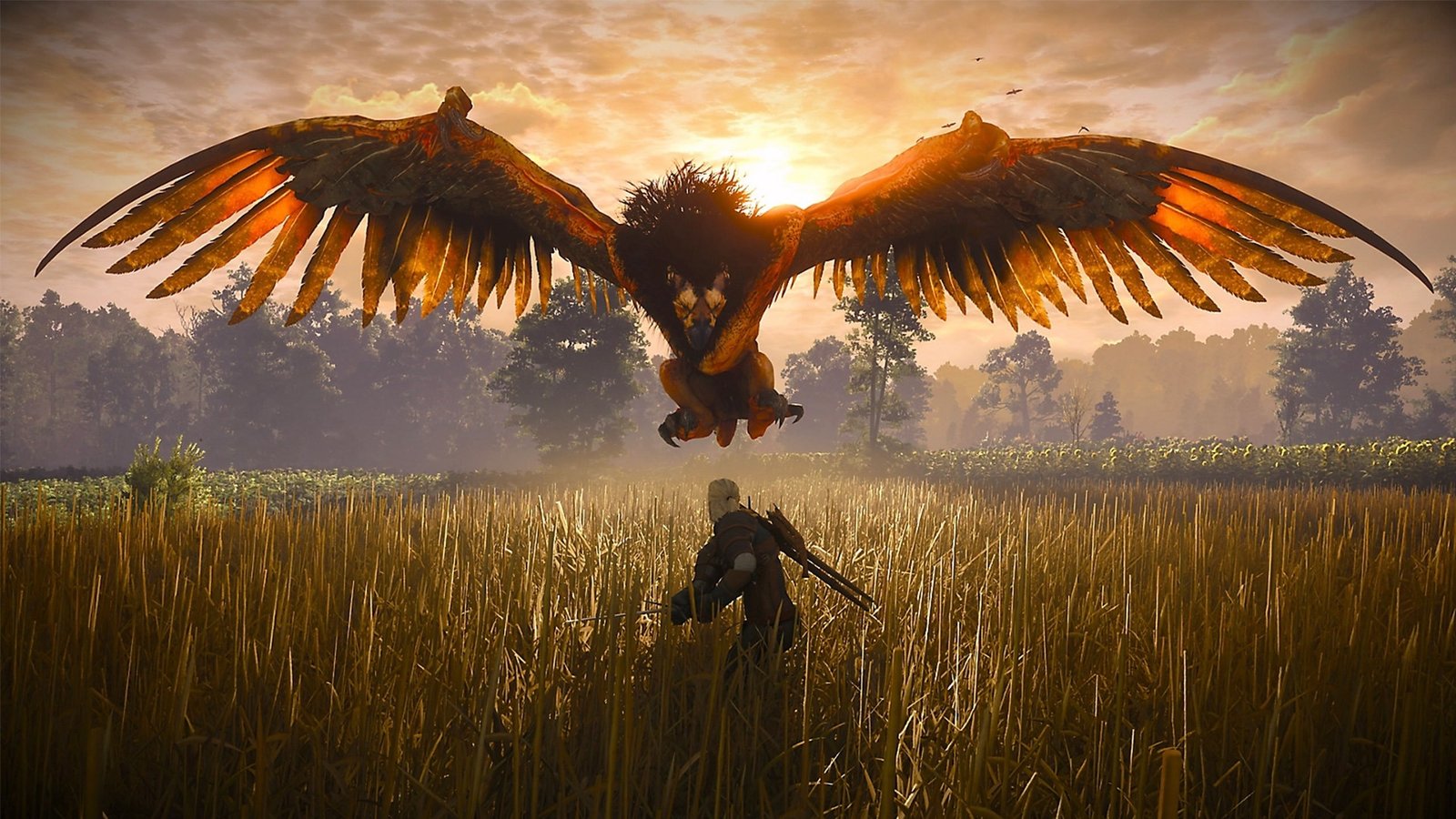
Those people also distinguish the regions Geralt explores in The Witcher 3: Wild Hunt Remastered. Velen’s struggling settlements, Novigrad’s busy streets and Skellige’s island communities have their own customs and tensions, making travel feel like entering different ways of life. Their landscapes invite exploration, while the stories behind their doors give you a stronger reason to linger.
A contract to remove a creature can uncover an old betrayal, and an apparently straightforward dispute becomes harder to settle once everybody has explained themselves. Geralt’s expertise identifies the supernatural problem without guaranteeing a clean solution to the human one. Professional responsibility, payment and sympathy do not always point in the same direction.
Choices gain their force from that uncertainty in The Witcher 3: Wild Hunt Remastered. Characters invite compassion while still being responsible for terrible behaviour, and a seemingly reasonable decision can leave someone suffering. The writing sustains this complexity without reducing every encounter to another lesson about how awful humanity can be. Humour and generosity matter because they survive alongside the cruelty.
The investigative routine is less varied. Witcher Senses highlight evidence and trails lead towards encounters, sometimes making deduction feel automatic. Incidental locations also offer less satisfaction than developed quests; curiosity pays off best when a convincing character or mystery awaits.
Sharper Blades, Familiar Rough Edges
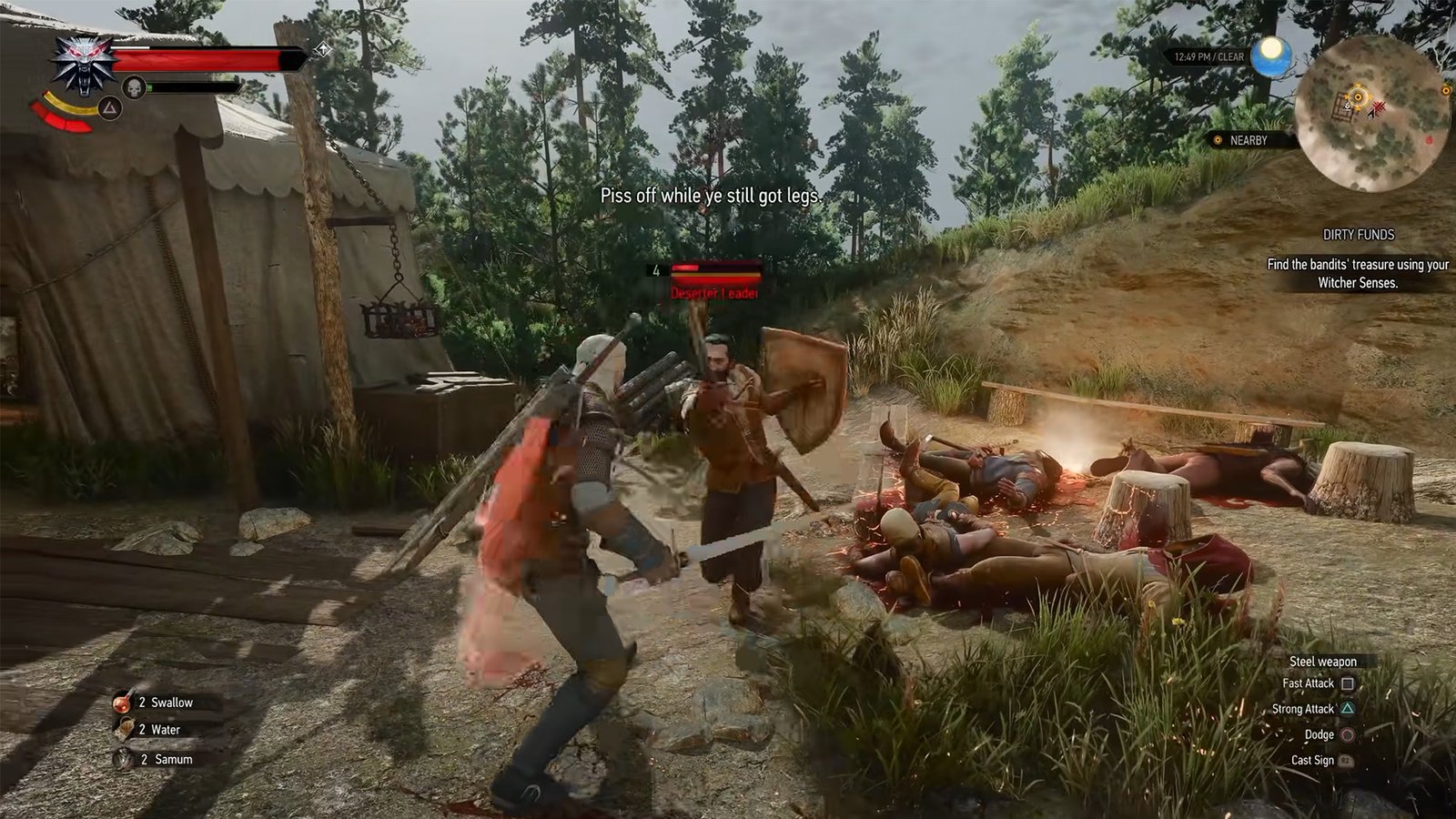
Understanding monsters also feeds into combat. Geralt combines sword attacks and evasive movement with Signs, simple spells that burn, stagger, trap or protect. Potions, blade oils and bombs support preparation against particular threats, connecting knowledge of a creature to the practical business of surviving it. This remains an appealing expression of his profession in The Witcher 3: Wild Hunt Remastered.
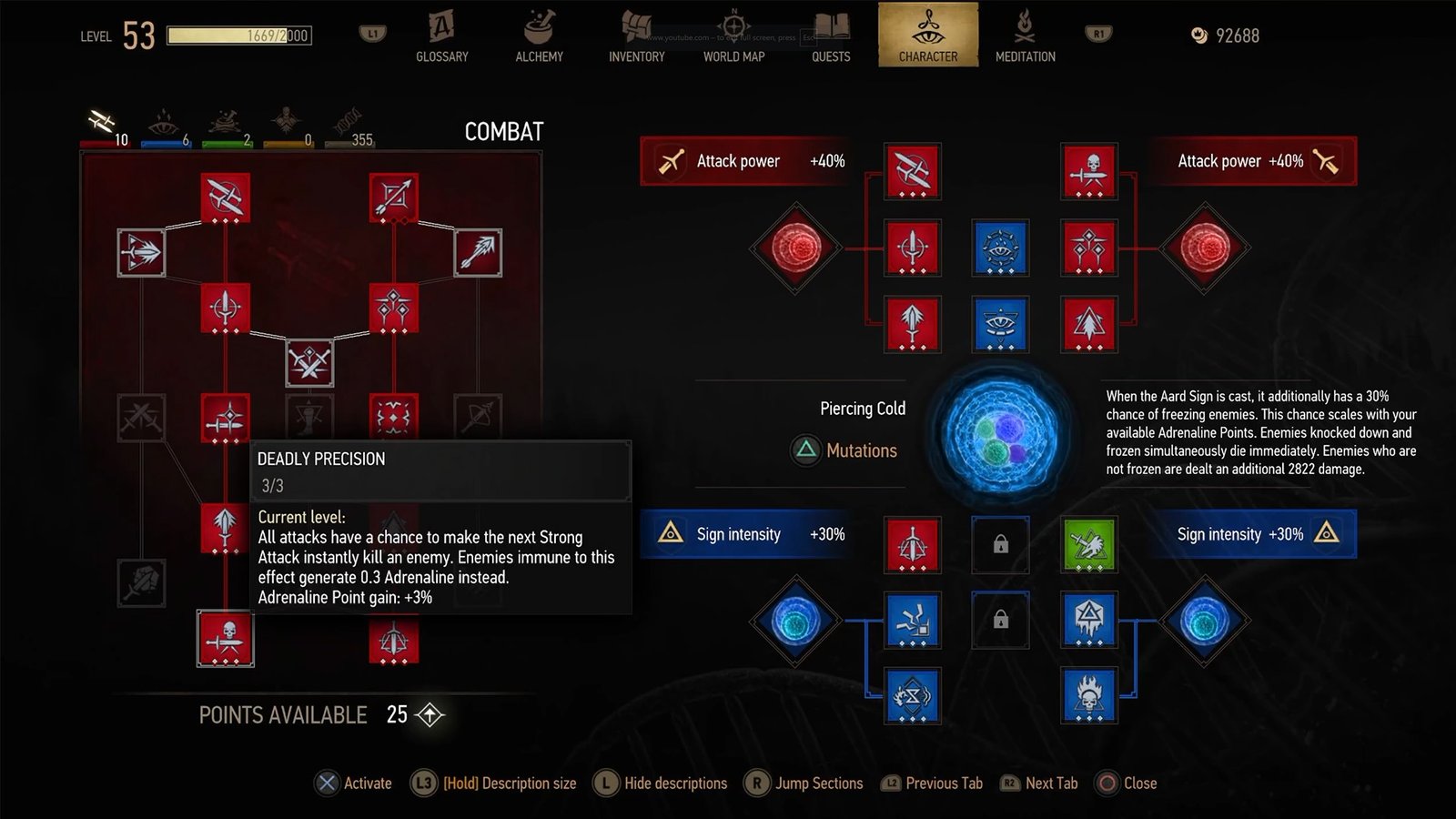
The remaster revises animations, finishers and the combat camera, while its redesigned skill system gives character development a clearer purpose. Choosing abilities shapes the relationship between swordplay, magical support and preparation, encouraging players to consider how their preferred tools work together.
Progression becomes more rewarding when it influences decisions during an encounter rather than merely increasing damage. It’s satisfying to build a recognisable approach to encounters, then adjust it when a different threat appears. The breadth of available tools helps sustain that process over the long haul in The Witcher 3: Wild Hunt Remastered.
Nevertheless, contextual sword animations can still complicate precise control. Locking onto an opponent helps focus an exchange, but fighting groups expose the awkwardness of attacks selecting a different target than intended. These moments undermine the impression of an experienced hunter executing a carefully chosen response. The refinements make combat easier to appreciate, though players previously frustrated by its underlying feel should temper expectations for a complete transformation.
An Easier Journey Through the Continent
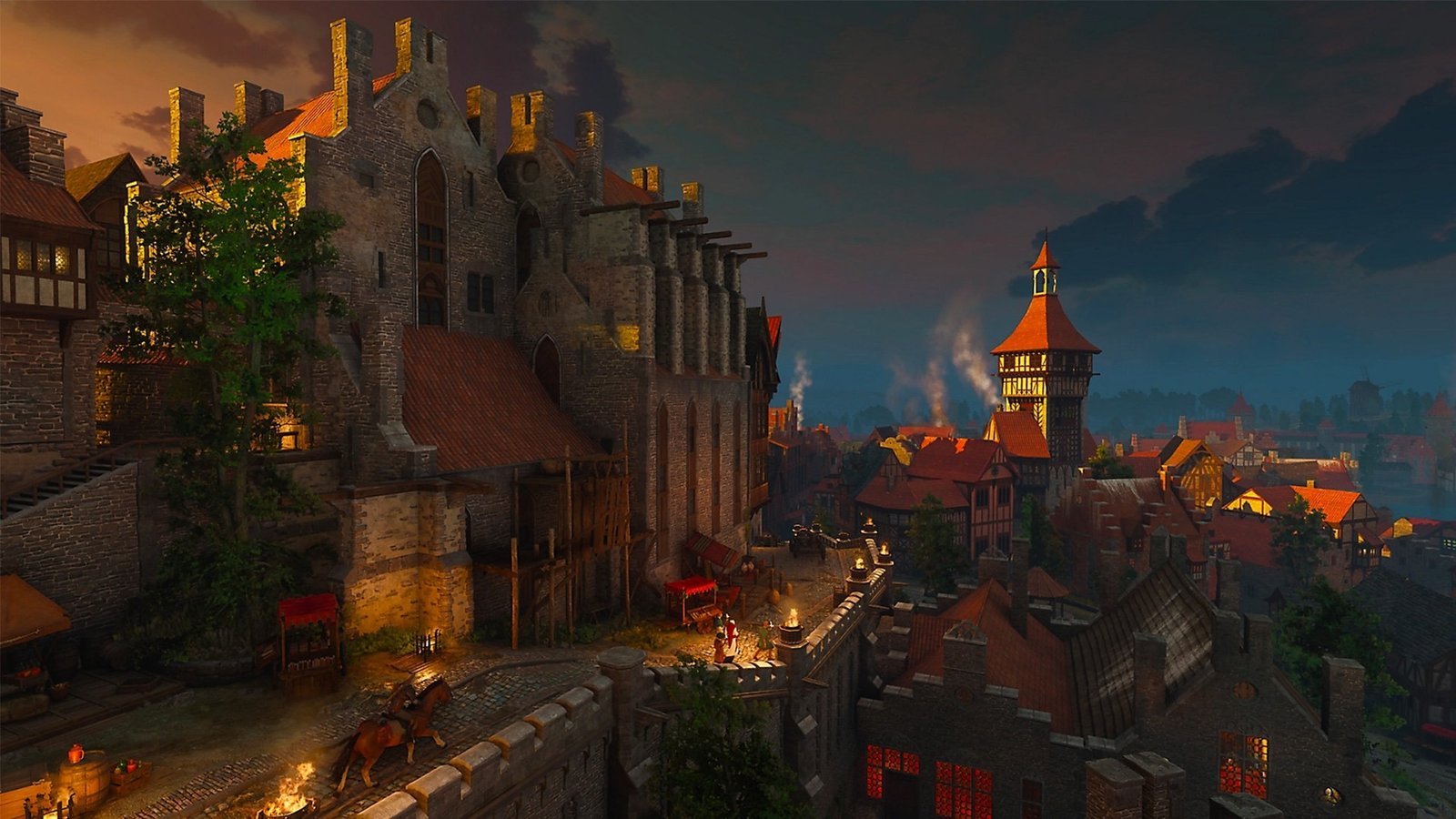
The improvements outside combat are often more immediately useful in The Witcher 3: Wild Hunt Remastered. Revised movement and traversal animations help Geralt negotiate his surroundings, while better handling makes Roach, his horse, a more cooperative companion. In an adventure involving so much travel, reducing the friction of getting around creates more space to enjoy the world.
Streamlined looting and quest tracking similarly reduce interruptions. The transmog system lets players adjust equipment appearance without sacrificing useful stats, while expanded accessibility options let players control practical demands such as equipment durability. These are worthwhile considerations for a game whose stories demand such a substantial time investment.
Taken together, the changes create a more inviting rhythm in The Witcher 3: Wild Hunt Remastered. Preparation and character development retain their substance, while fewer inconveniences compete with the next conversation or discovery. Returning players have useful refinements to explore, and newcomers receive a more comfortable introduction to Geralt’s complicated working life.
This is where the remaster’s cumulative effect becomes persuasive: an individual adjustment may seem modest, but its usefulness grows through repetition. Less time negotiating an awkward interaction means more attention for the adventure around it.
Two Expansions That Enrich the Adventure
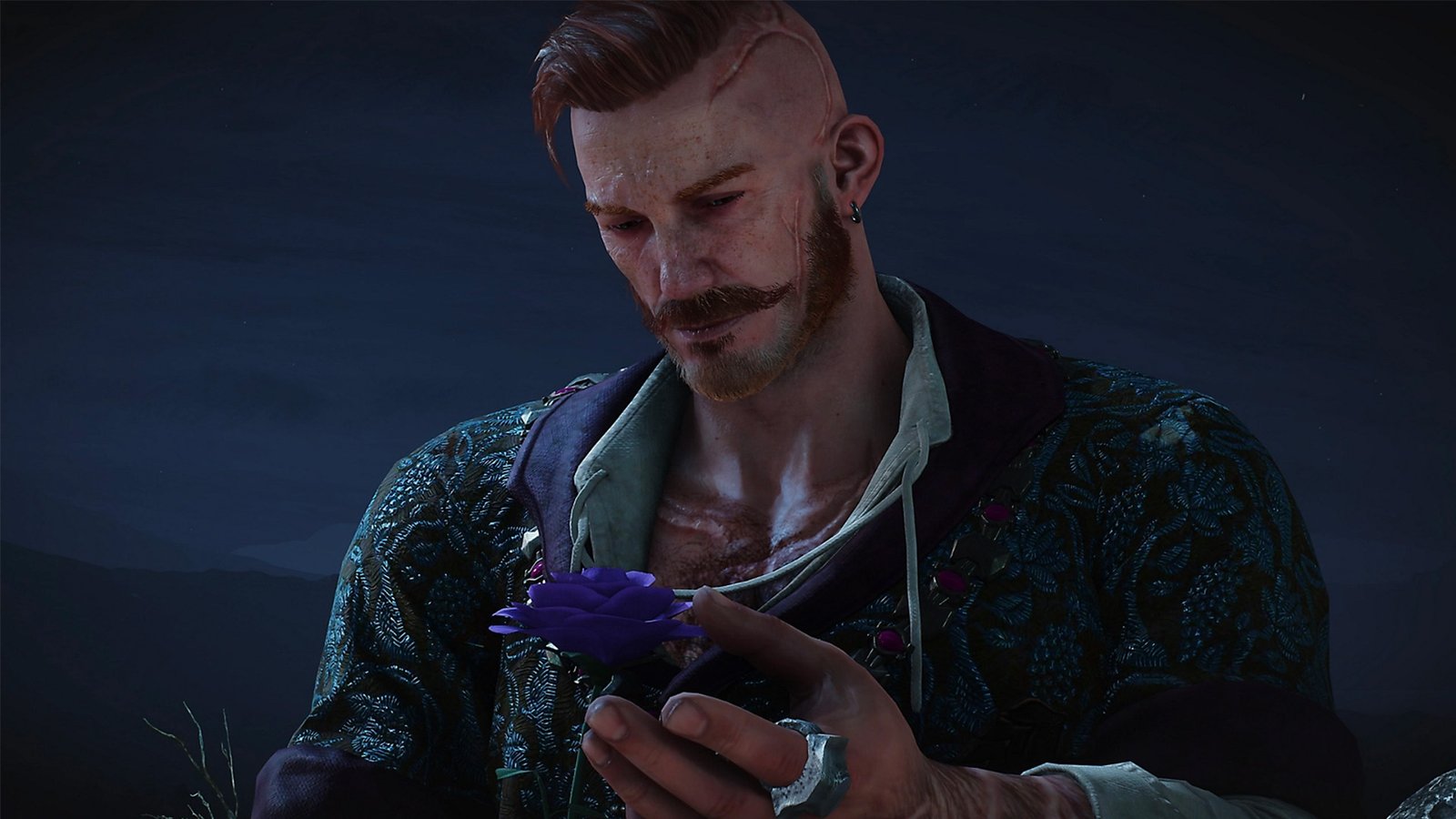
The included Hearts of Stone and Blood and Wine DLCs add further dimensions to The Witcher 3: Wild Hunt Remastered. Hearts of Stone entangles Geralt with the immortal Olgierd von Everec and the unsettling Gaunter O’Dimm, turning bargains and obligations into a dark examination of desire. Its premise suits a protagonist accustomed to contracts, then tests how much protection an apparently clear agreement actually provides.
Blood and Wine shifts the atmosphere to Toussaint, a duchy of vineyards and chivalric ceremony whose welcoming surface hides a brutal murder mystery. Its countryside encourages a more leisurely pace after the main adventure’s harsher landscapes, while the threat beneath its beauty gives exploration an uneasy edge.
Their contrasting approaches show how flexible Geralt’s profession can be as a storytelling framework. Both belong within this world, yet each offers a distinct reason to stay. The package can feel daunting in its abundance, but its strongest stories deserve the attention they get. They also broaden the adventure’s emotional range, letting Geralt inhabit situations that reveal different aspects of his character. Their value extends well beyond simply adding more places to visit in The Witcher 3: Wild Hunt Remastered.s
A Beautiful World Worth Returning To
Reworked lighting, improved environmental textures and denser foliage strengthen landscapes already distinguished by their art direction. Woodland paths feel more enclosed, settlements sit convincingly within their surroundings, and changing light gives familiar routes different moods. Music and expressive voice performances preserve the humour and vulnerability that prevent this troubled world from becoming exhausting.
On standard PS5, Performance mode targets 60 FPS, while Ray Tracing mode targets 30 FPS. Fluidity makes the former a strong fit for an adventure with so much movement and fighting, while enhanced lighting gives the alternative its appeal in The Witcher 3: Wild Hunt Remastered. Technical blemishes remain. Patch 5.01 improved performance, corrected the base PS5 frame-rate limits, and added graphics settings for effects, including bloom. Occasional dips and potential screen tearing without a variable refresh rate display still qualify the improvements, leaving room for further polish.
Even with those limitations, The Witcher 3: Wild Hunt Remastered remains an absorbing introduction and a compelling return. Its refinements support an adventure whose finest moments emerge from uncertainty: a stranger’s suspicious account, a creature whose history complicates the contract, or a conversation with somebody Geralt cannot bear to lose. Those stories give the renewed scenery meaning and make following the next trail hard to resist.
The Witcher 3: Wild Hunt Remastered is available now on PlayStation 5, Xbox Series X|S, PC, and Nintendo Switch 2.
SavePoint Score
Summary
The Witcher 3: Wild Hunt Remastered strengthens an exceptional RPG through welcome refinements and richer presentation. Some combat awkwardness and technical blemishes remain, but its characters, consequential quests and remarkable expansions make this an engrossing adventure.
