

Table of Contents
Forza Horizon 6 on PC
Forza Horizon 6 is not trying to reinvent the wheel. Playground Games has taken its time-tested formula and placed it in a setting fans have wanted since the series’ early days. Japan’s car culture, iconic landmarks, varied landscapes, and motorsport history have always felt like a natural fit for Horizon, and after more than 40 hours on its roads, this feels like one of the franchise’s most rewarding evolutions.
The opening initial drive immediately establishes that identity, throwing players through countryside villages, city streets, snow-capped mountains, and fields of pampas grass with the series’ usual festival energy intact. The soundtrack pulses, the cars move with confidence, and the map wastes no time showing off the scale and variety of Playground Games’ most detailed open world yet.
Anyone who has played a previous Horizon game will feel at home almost instantly. The driving remains responsive, arcade-inspired, and endlessly satisfying, whether you are flying down a highway at absurd speeds or threading a tuned drift car through tight mountain passes.
That familiarity is both the game’s greatest strength and its most frustrating limitation. Japan gives Forza Horizon 6 its most distinctive setting yet, but long-standing issues with traffic, Drivatar behaviour, and multiplayer convoys still keep the series from fully escaping its old habits.
Exploring Horizon’s Japan
Even with enormous expectations surrounding the setting, Playground Games has done an impressive job bringing Japan to life. From snow-capped mountain peaks to dense forests, rural roads, shrines, temples, torii gates, and a sprawling Tokyo skyline, every region in Forza Horizon 6 feels deliberately shaped rather than simply filled.
This is the largest map in the series so far, but it rarely feels empty. The world constantly nudges you towards something, whether that is a new road, a hidden collectible, a scenic overlook, or a cultural detail tucked away at the edge of the map. Japan is not just a visual backdrop here. It strengthens exploration, shapes the rhythm of the roads, and gives the familiar structure a clearer sense of place.
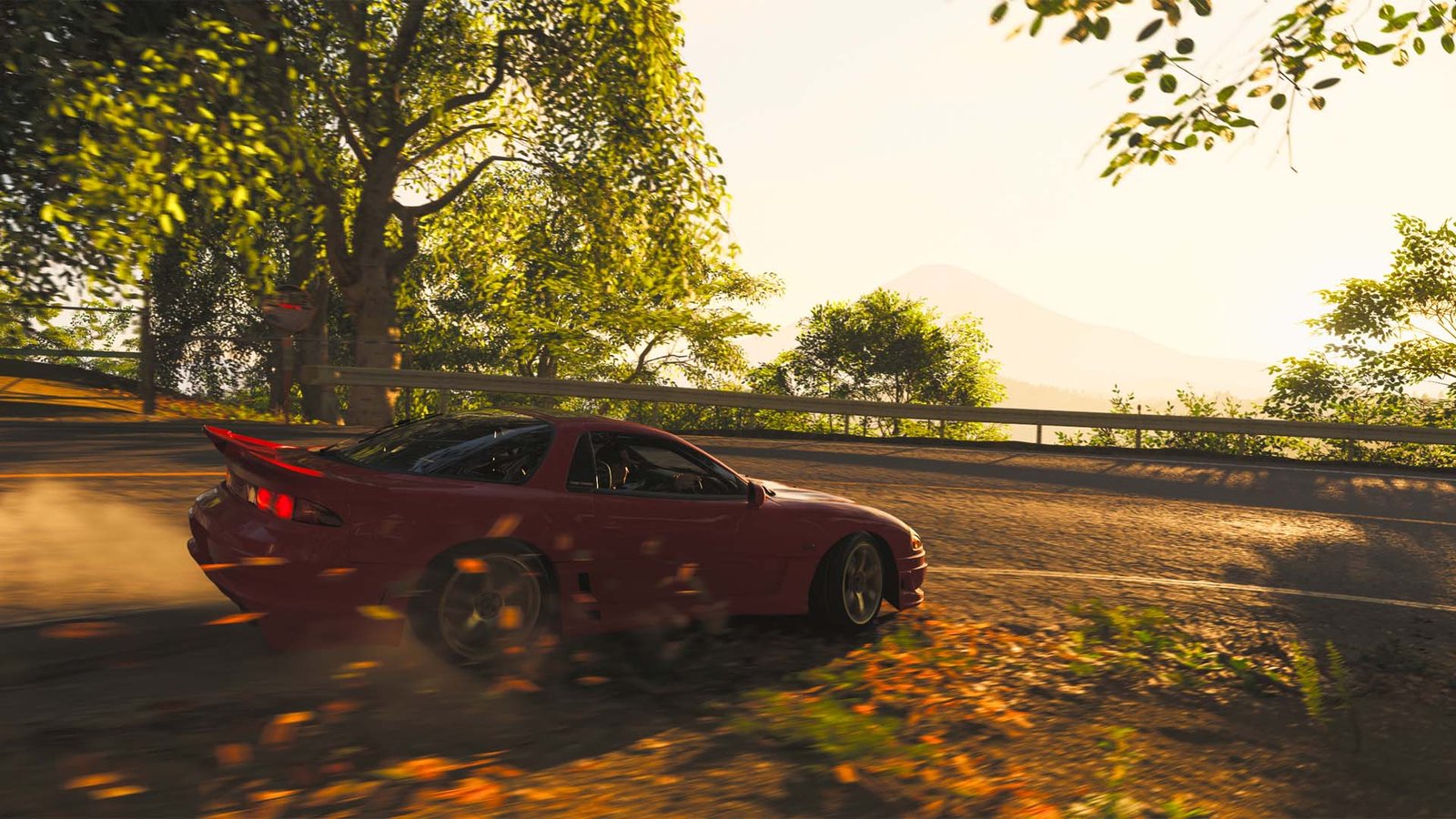
The new collectible mascots, inspired by real-world Yuru Kyara characters, fit naturally into the series’ playful personality. The landmark work is equally strong, with Tokyo Tower, Rainbow Bridge, Shibuya Crossing, and Daikoku Parking Area recreated with striking attention to detail in Forza Horizon 6. Daikoku PA stands out because of how naturally it supports the new Car Meet feature, letting players show off their latest pride and joy in a location rooted in Japanese car culture.
Seasonal changes remain one of the franchise’s best ideas, and they feel more dramatic here than they did in Forza Horizon 5. Spring fills the roads with cherry blossoms and pink petals. Summer brings lush greens and water-filled rice fields, while autumn paints the trees with oranges and yellows.
Exploration feels natural because the world of Forza Horizon 6 is built around curiosity. A fog of war hides unexplored areas until you uncover them yourself, making discovery feel active rather than automatic. Every mile of road feels like it has been paved with purpose, and that attention to detail is the heart of the experience.
Building Your Garage
Japan may be the initial hook, but the cars are what keep the experience moving. At launch, Forza Horizon 6 features more than 550 vehicles to collect, drive, modify, and inevitably send into a guardrail. Modern supercars, retro rally machines, kei trucks, JDM icons, hypercars, off-road monsters, and oddball novelty vehicles all have a place here.
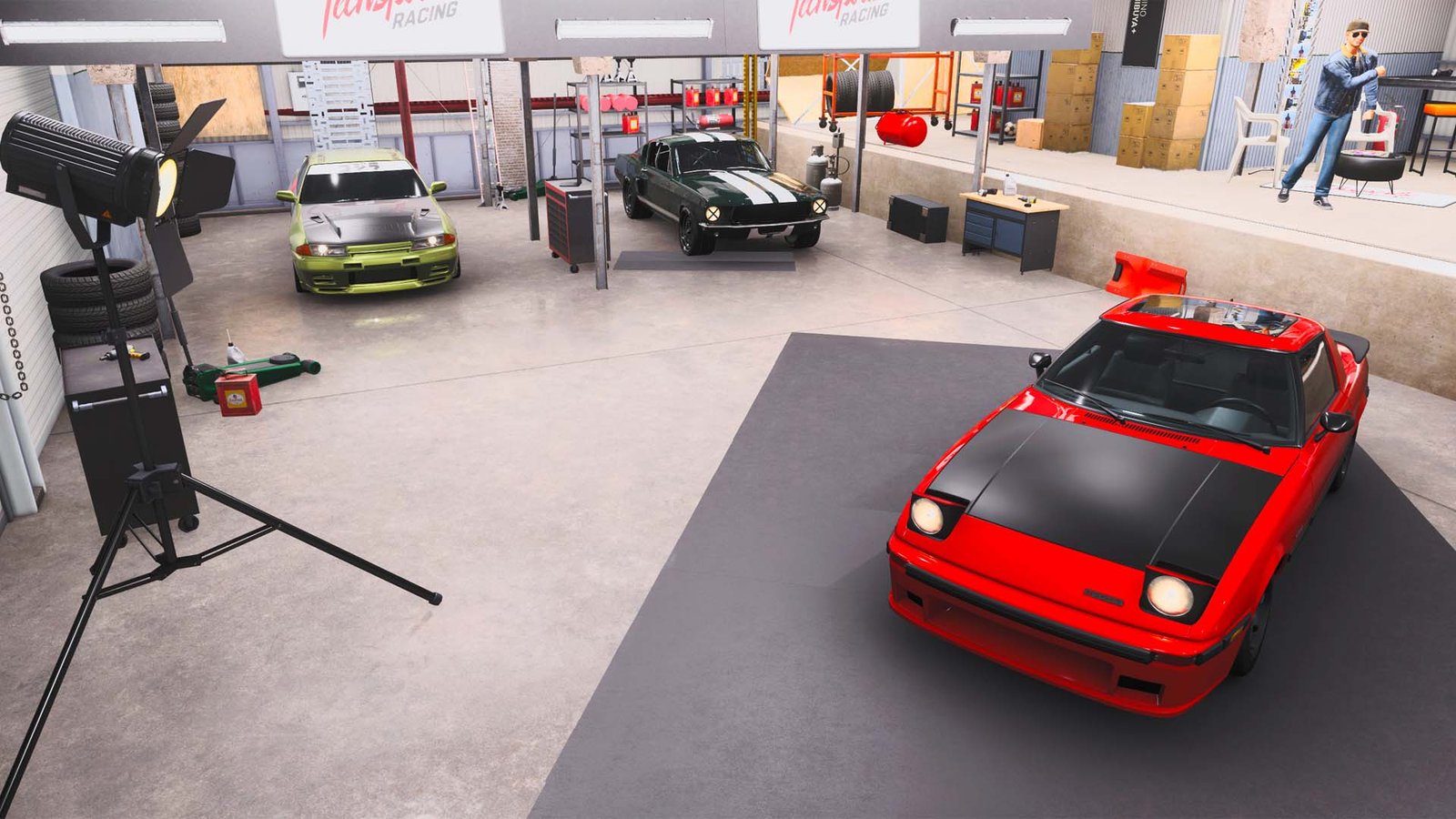
Each vehicle changes how you approach the world, whether you are cruising through Tokyo, sliding through mountain roads, or tearing across dirt paths in the countryside. Even after dozens of hours, I had not filled half the available garage space, much less properly driven everything I owned. That sense of abundance is central to the game’s appeal.
The reward loop remains generous in Forza Horizon 6. Races, wheelspins, story missions, seasonal events, and exploration can all lead to new cars, which means progression rarely feels like a grind. That generosity can sometimes make individual rewards feel less special, but the sheer volume of vehicles prevents the system from becoming stale.
Collectors may still feel the pressure of seasonal exclusives. Some vehicles disappear from reward pools each week, leaving the auction house as the only option until they return. That can create some fear of missing out, but it also gives the live service structure a clear purpose.
Customisation and tuning deepen that loop further in Forza Horizon 6. Every vehicle can be upgraded for a specific purpose, from a Nissan 240SX drift build to a Subaru WRX rally machine or an absurd Peel P50 drag car. Players who want to adjust gearing, suspension, tyres, aero, and differential settings can spend hours doing so, while those who just want a capable build can download a community tune and get back onto the road almost immediately. The game rewards curiosity without punishing players for a lack of technical car knowledge.
Racing And More
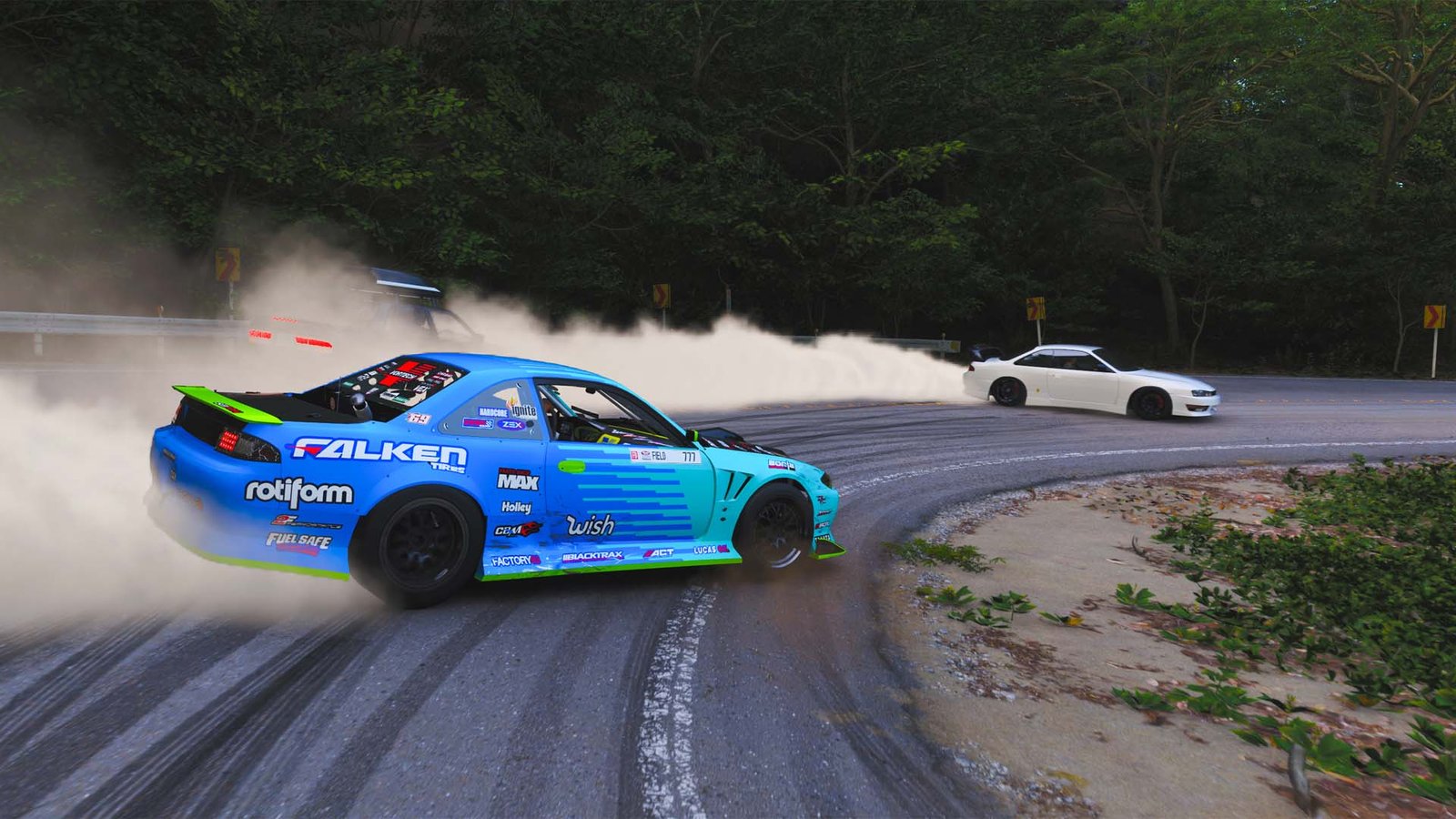
Neither the roster depth nor the customisation would matter if the driving failed to deliver. Thankfully, Forza Horizon 6 continues to feel excellent on the road. Playground Games has spent years refining this handling model, and the result remains one of the most satisfying driving systems in the genre.
Cars feel fast, responsive, and expressive without demanding full simulation discipline. There is enough weight and grip variation to make different vehicles feel distinct, but the game never loses the approachable immediacy that defines the series. Tokyo streets feel different from mountain passes, which in turn feel different from dirt trails and cross-country routes. The map’s variety is not just visual; it literally changes the rhythm of your driving.
Races span road, dirt, and cross-country disciplines, with activities layered across the open world. Drift zones, speed traps, danger signs, story missions, and Day Trips keep the map busy without making progression feel restrictive. You rarely feel forced into one type of event, and that freedom is essential to why Forza Horizon 6 remains so easy to keep playing.
The Day Trips are not always the most mechanically exciting missions, but they are valuable for reinforcing the setting’s identity. They work as guided tours through specific regions, offering cultural context while giving players another reason to appreciate the world beyond racing lines and finish positions. Even after more than 40 hours, I never felt like I had run out of things to do.
A Racing Game For Everyone
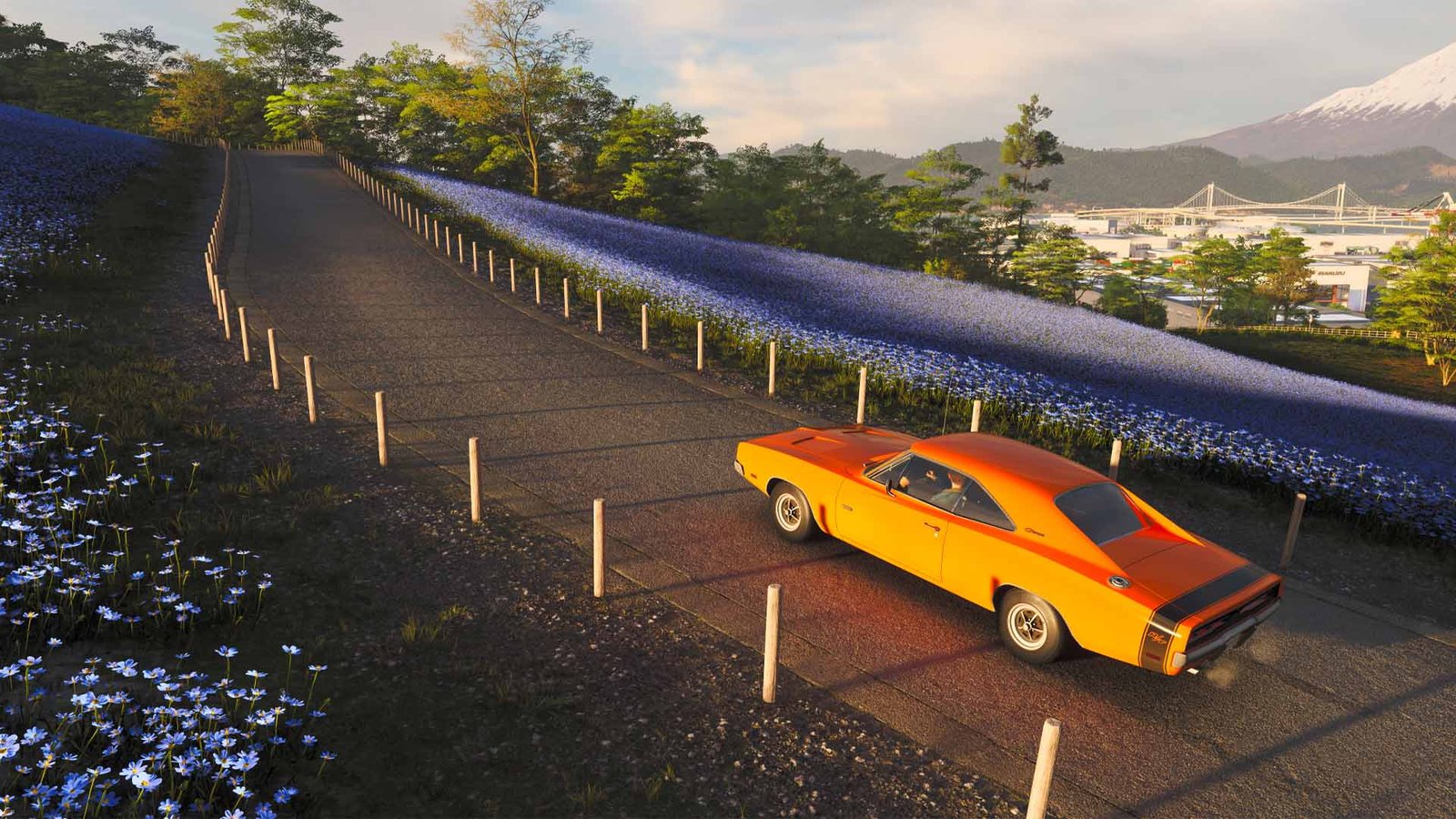
One of Forza Horizon’s enduring strengths is that it understands different players want different things from a racing game. Some players want a challenge. Some want spectacle, some want car collecting, and some want casual escapism. Forza Horizon 6 continues to serve all of those groups without making any one of them feel like the wrong audience.
Difficulty options, braking assists, traction control, racing line guidance, and other driving settings allow players to shape the experience around their skill level. There are also options for players with colour blindness and other accessibility needs, reinforcing the game’s wider commitment to approachability.
The rewind feature remains one of the smartest examples of that philosophy. Missing a corner or clipping a wall does not need to end a race in Forza Horizon 6. Players can roll back a mistake and continue, while those who want a more demanding experience can turn off the feature. The story also does a better job of welcoming newcomers by starting players as tourists looking to make a name at the festival, rather than as an established legend.
Cruising With A Crew
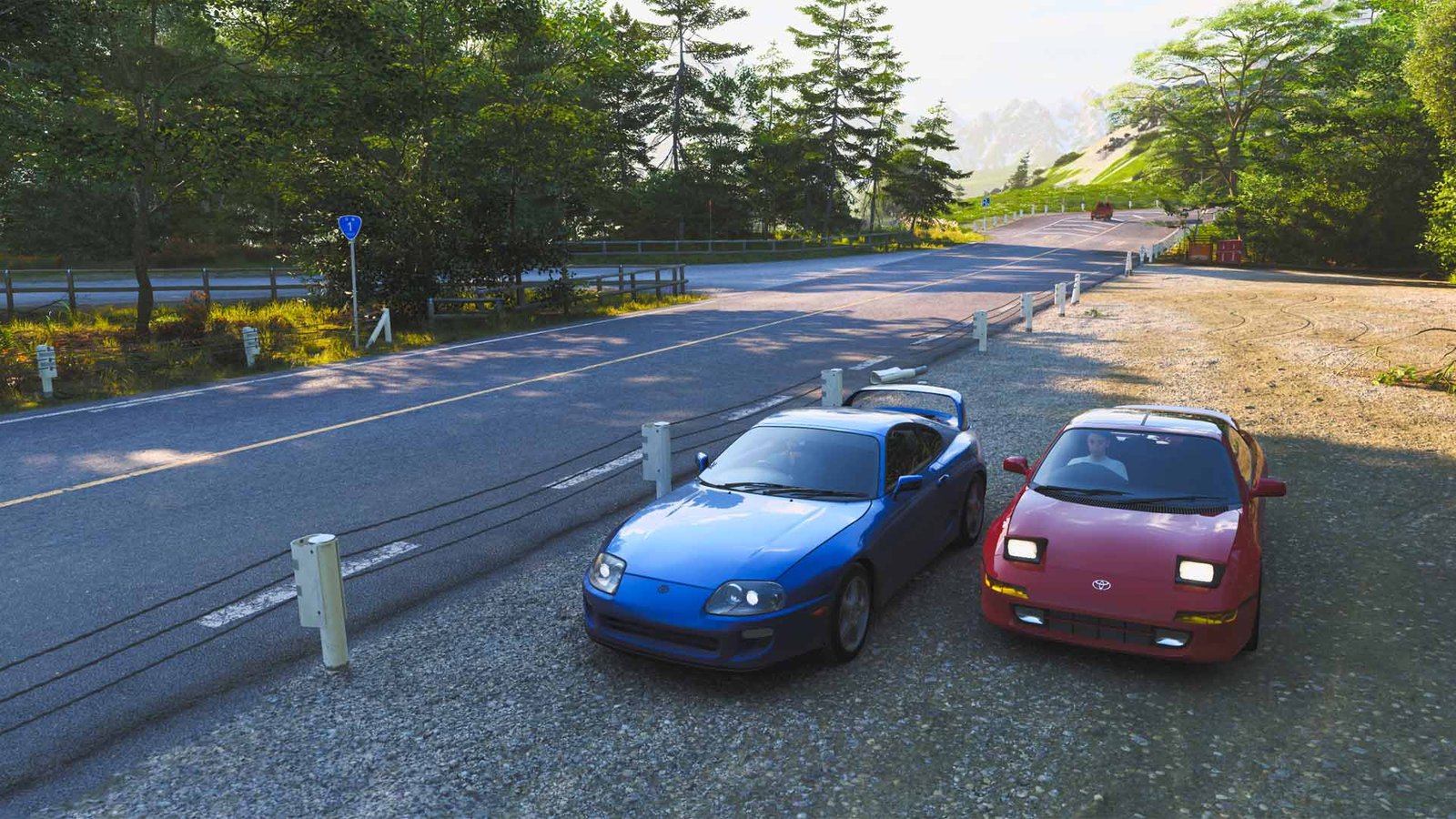
The convoy system returns, allowing players to race, cruise, explore, and cause chaos together across Japan. Some of my favourite moments came from driving around with friends in tuned JDM builds and ridiculous supercars because the game makes simply sharing the world enjoyable.
Online stability was mostly solid during my time with Forza Horizon 6. Disconnects were infrequent, and moment-to-moment driving with others felt smooth. When the multiplayer works, it captures the spirit of a shared automotive playground better than almost anything else in the genre.
The frustration is that the convoy system still carries old irritations. If players leave an event early or miss the small acceptance window for an invite, groups can become disrupted and require manual regrouping. During longer sessions, this becomes tedious. It does not ruin multiplayer, but it interrupts the otherwise seamless fantasy of travelling through Japan as a crew.
What’s Under The Hood
The PC version of Forza Horizon 6 is visually stunning. Whether driving through city streets, climbing snow-covered mountain roads, or cruising through the countryside during cherry blossom season, the game constantly looks like a photo mode opportunity waiting to happen.
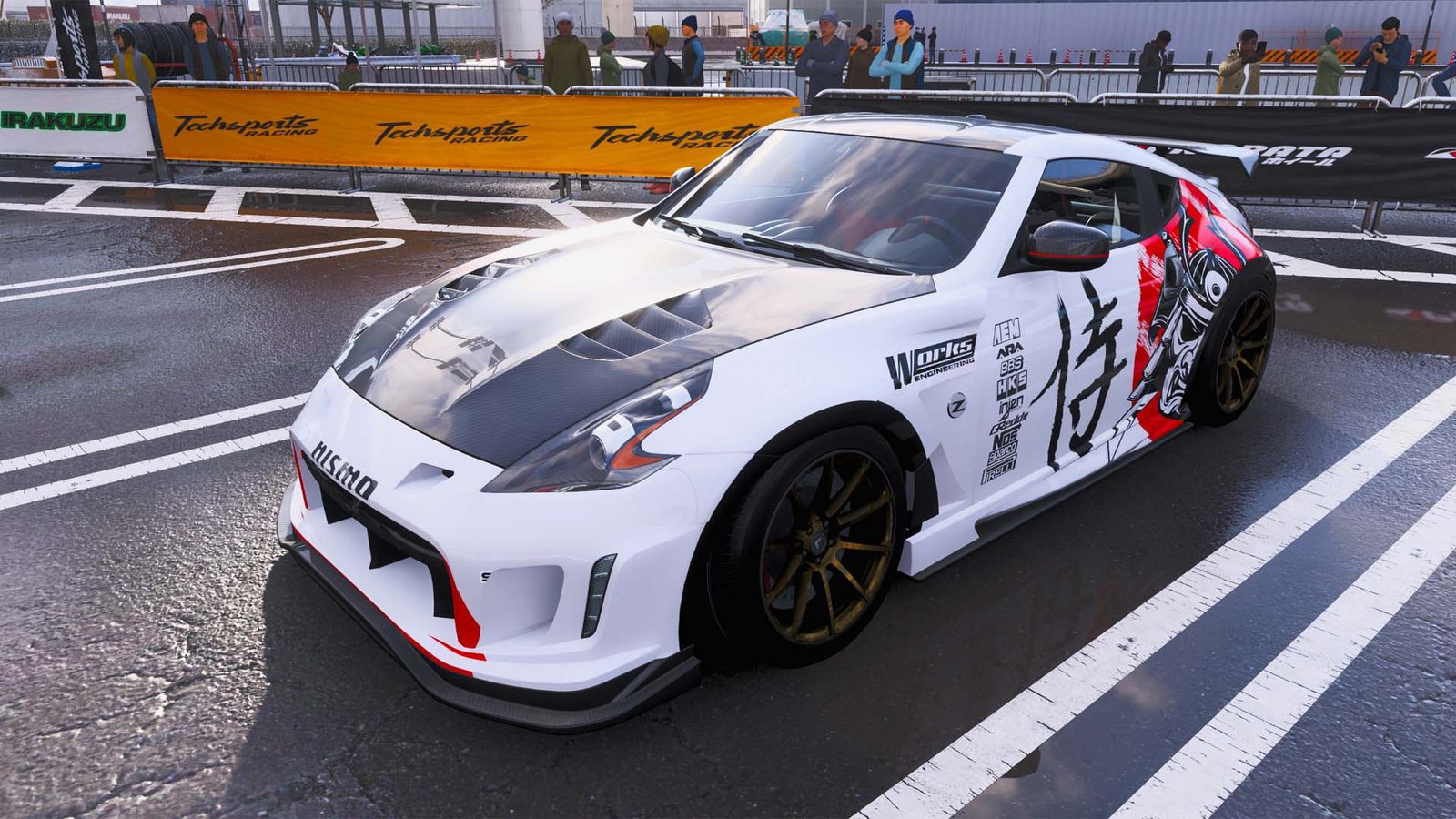
My playthrough was on a system equipped with an Intel i7 13700K processor and an NVIDIA RTX 4080 graphics card, running at 3440×1440 on an ultrawide OLED monitor. With the game set to its highest settings, performance remained stable without relying on Frame Generation.
Frame rates consistently stayed above 80 FPS, with no noticeable pop-in and strong visual fidelity across both dense Tokyo areas and quieter mountain roads. Ultrawide support also suits the presentation, giving more room to take in the landscapes and smaller vehicle details that are so impressive in Forza Horizon 6.
The experience was not flawless. The most noticeable issue was heavy ghosting around vehicles at higher speeds. I tried adjusting settings to reduce it, but could not remove it entirely. It was never severe enough to affect gameplay, but it was persistent enough to occasionally pull attention away from the world. I also encountered lighting inconsistencies around water surfaces and inside enclosed parking garages.
These issues were cosmetic rather than game-breaking. I did not encounter major crashes or serious bugs during my time with the PC version of Forza Horizon 6. Controller support was excellent, with responsive inputs and seamless switching between keyboard and controller. Despite its visual quirks, this remains an impressive technical showcase.
Familiar Problems Remain
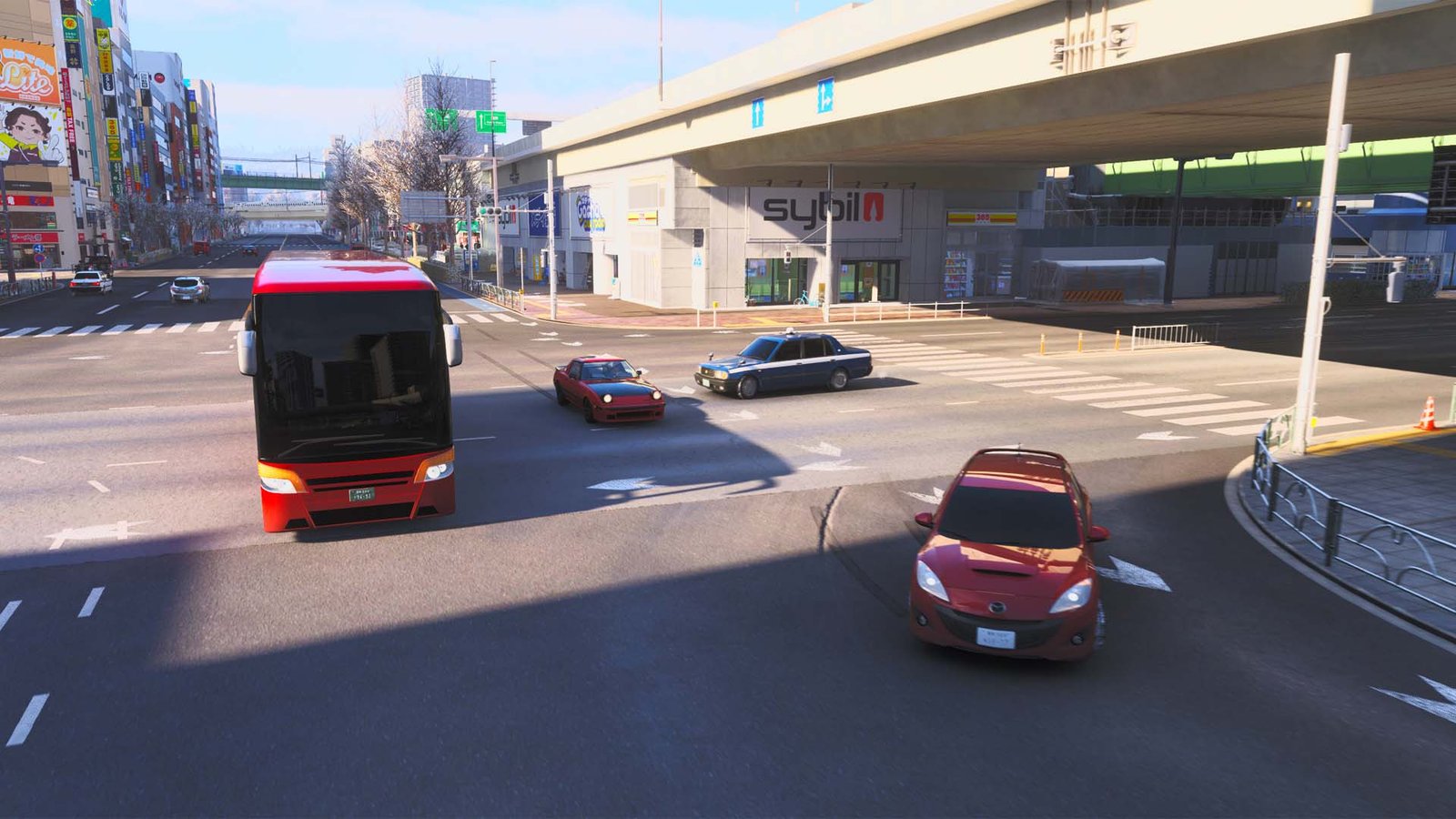
Japan refreshes the series in a major way, but it also highlights how little some aspects of Horizon have changed. Traffic AI remains inconsistent, with cars drifting into lanes, stopping awkwardly, or turning directly into your path at the worst possible time. These moments are more annoying than believable, especially when they ruin a long skill streak.
Drivatars are another recurring frustration in Forza Horizon 6. On most difficulties, they provide fair competition, but the highest settings can feel excessive. They also tend to become overly aggressive, blocking, pushing, or slamming into the player in ways that make clean racing harder than it should be.
These issues do not destroy the experience, but they reveal how familiar some of the weakest habits have become. The formula is strong enough that these flaws rarely dominate the play session, but they continue to hold the series back from reaching its absolute potential.
The Final Lap
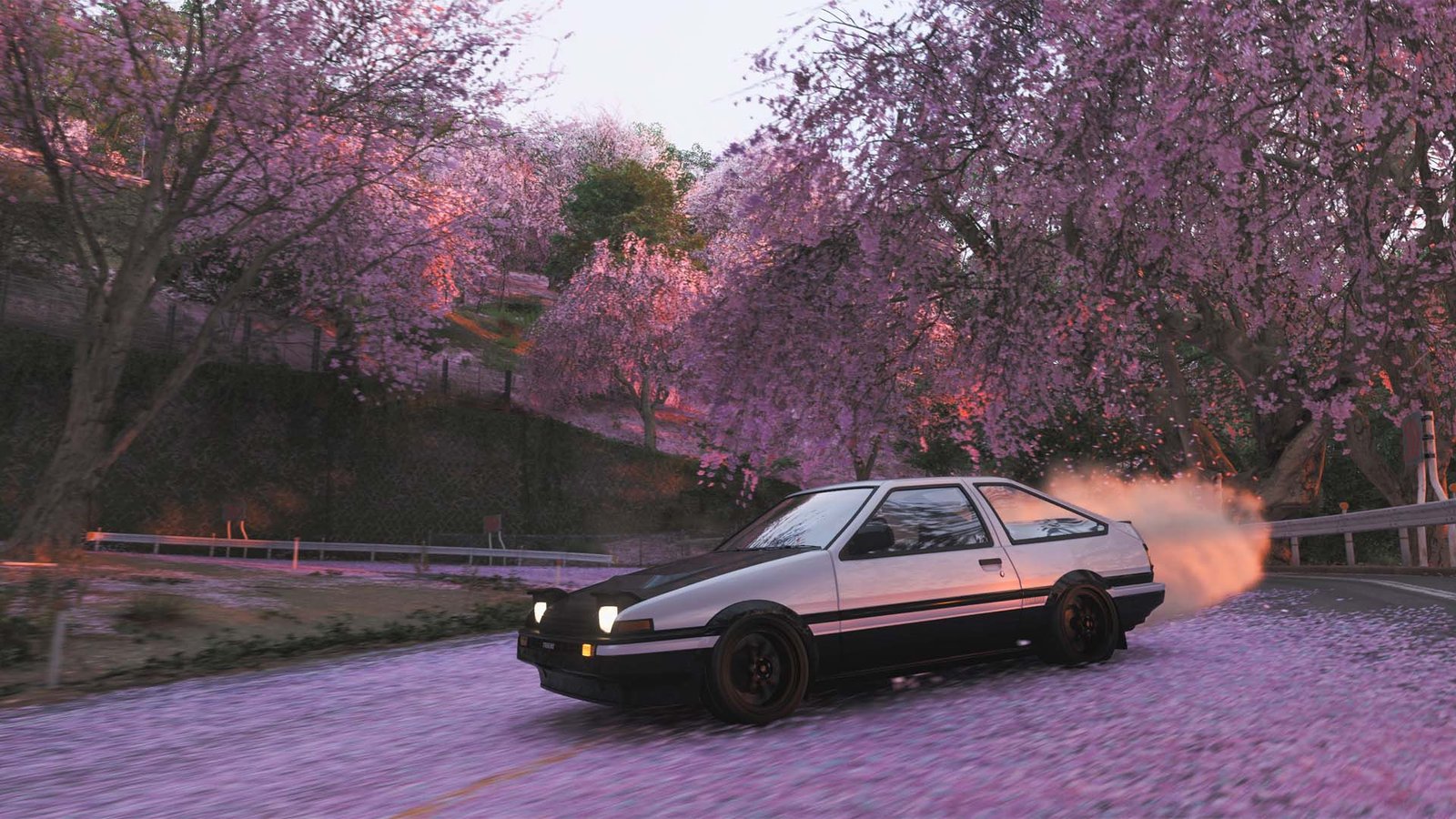
Taking the Horizon Festival to Japan has always felt like an obvious choice, and after hours of exploration, it feels well worth the wait. This is not a reinvention of the franchise, but it is one of the clearest examples of why the formula still works.
Japan gives Forza Horizon 6 its strongest sense of identity in years. The map is beautiful, varied, and packed with cultural detail. Seasonal changes make the world feel alive, the car roster is enormous, and the steady rhythm of rewards keeps the experience moving without making it feel like work.
Its flaws remain familiar. Traffic can still behave unpredictably, Drivatars can be too aggressive, convoy friction still interrupts multiplayer, and a few PC visual issues occasionally break immersion. Yet these problems rarely overshadow the strength of the overall experience.
Playground Games has delivered another addictive open-world racer, but this time the setting does more than provide a fresh coat of paint. Japan sharpens the series’ personality, celebrates its car culture roots, and reminds us why Horizon remains such a dominant force in the genre. Forza Horizon 6 may travel familiar roads, but few racing games make that journey feel this thrilling.
Forza Horizon 6 is available now on PC and Xbox Series X|S, and a PlayStation 5 version will arrive later.
SavePoint Gaming
Summary
Forza Horizon 6 delivers one of the series’ strongest settings yet, blending Japan’s car culture, gorgeous seasonal design, and generous progression with familiar racing thrills. Lingering AI and convoy issues remain, but they rarely dull the ride.
