

Table of Contents
Phantom Blade Zero on PS5 Pro
By the time Soul sets out across the Wulin, his master’s murder has been laid at his feet, his heart is gravely wounded, and the people who once stood beside him have turned against him. A mysterious healer has bought him sixty-six more days of life, giving Phantom Blade Zero a hero with an urgent reason to keep moving through a world seemingly determined to stop him.
S-GAME’s action RPG draws on the Chinese martial arts fiction of wuxia, with its sworn brotherhoods, personal honour and loyalties tested at the point of a blade. Temples and bamboo forests share the landscape with ominous machinery, while the warriors moving between them carry grievances that make every meeting potentially dangerous. The setting is immediately absorbing, and over more than 30 hours, the pleasure comes from discovering how thoroughly its extraordinary combat belongs within it.
Sixty-Six Days in a Fractured Wulin
Soul’s efforts to recover his past give us a natural entry point into this society of rival factions and competing ambitions. We learn about him through recollection and the people who fill in the gaps in Phantom Blade Zero, gradually understanding why these characters’ bonds have become so hard to untangle. Zuo Shang, Soul’s sworn brother, is an especially compelling counterpoint: the possibility that similar aspirations can lead people to very different choices gives their conflict weight, while the wider struggle keeps drawing personal history into the Wulin’s affairs.
Much of this will feel familiar to anyone raised on wuxia films or literature, and the story’s broad direction is often predictable; nevertheless, its relationships and dramatic confrontations make it thoroughly engaging to follow. Anticipating that a relationship will sour does little to diminish the interest in understanding how it got there, especially when shared history keeps complicating how these characters see one another.
Furthermore, there are more sinister forces at play behind the events of Phantom Blade Zero, so expect twists and turns that can still surprise. Perhaps more impressive is how the antagonists can command admiration even as they give us every reason to despise them, a difficult balance that keeps us wanting to see this journey through.
For those fluent in the language, playing with Mandarin voiceover strengthens that connection considerably, as the terminology and delivery lend conviction to the characters and the traditions shaping their world. For a native Chinese speaker, it’s a particular pleasure to hear the language carry the rhythm and flavour expected of this kind of drama, while the underlying emotions remain easy to understand. Questions of trust, loyalty, and what someone will sacrifice for a conviction give the story an accessible foundation, even for players approaching wuxia for the first time.
Despite the urgency of Soul’s remaining days in Phantom Blade Zero, your first playthrough lets you explore without a looming gameplay deadline. That freedom matters because paying closer attention to the wider adventure ultimately makes its conclusion sweeter. As S-GAME alluded to earlier, questlines can and will shape your journey to the story’s conclusion, and discovering the nuances and stakes involved has played a big part in enriching the adventure and giving you a more satisfying understanding of Soul’s journey, making the conclusion land with greater weight.
Finding Your Way Between Bells
Plenty occupies that curiosity between the many bells that act as checkpoints marking Soul’s passage through connected regions filled with side paths, optional opponents, and people whose troubles extend beyond his own. The maps resemble ink paintings, providing a broad understanding of a place while leaving its practical geography for you to piece together. Finding your bearings takes observation, but recognising landmarks and following a promising route makes exploration feel personal, as though you are learning to inhabit this unfamiliar martial world.
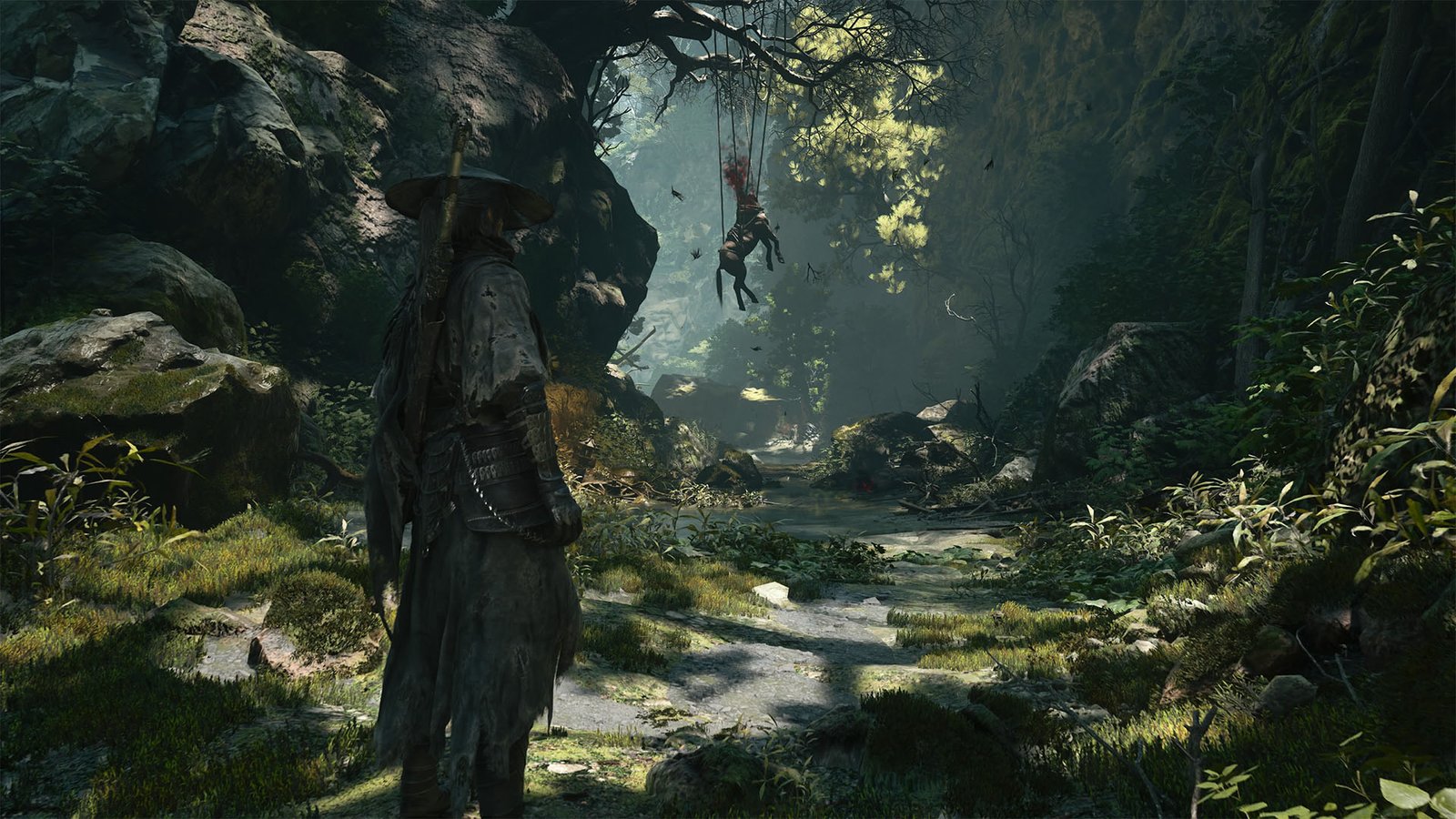
Players accustomed to following an exact marker may need time to adjust in Phantom Blade Zero, especially when a route looks clearer on the illustrated map than it does from the ground. As you become familiar with the surroundings, that uncertainty becomes more manageable, and new equipment gives you reasons to reconsider places you have already seen. A giant axe that breaks a barrier or a chain weapon that lets you reach another route can turn an earlier obstruction into something worth investigating, letting the world reveal itself through the tools you gather along the way.
That impression deepens when lore and environments begin to inform one another. Reading about a place can suggest something worth pursuing, while returning to an earlier area can draw you back into an unfinished story. Some side quests grow into substantial narratives, giving characters room to develop beyond their initial requests and broadening the sense of a Wulin whose inhabitants have their own concerns. Their lives give the world texture, which matters especially when Soul’s immediate predicament could easily overshadow everything around him.
The activities supporting those stories remain fairly basic, however, with most objectives involving finding items or defeating additional enemies. Their appeal depends heavily on Phantom Blade Zero‘s surrounding narrative, and while that storytelling often makes the detour worthwhile, it does little to disguise repetition during longer questlines. Toward the end, stretches of the wider journey could have benefited from greater focus, while the bells can feel too close together in one area and inconveniently far apart in another.
Occasional manual jumps and drops expose a less assured side of Soul’s movement, creating moments where reaching the intended landing point feels more awkward than the surrounding action suggests it should. Checkpoints generally keep mistakes from becoming costly, and these sequences are infrequent, but the frustration is noticeable in a game whose fighting otherwise makes controlling this warrior feel so effortless.
Learning the Rhythm of Sha-Chi
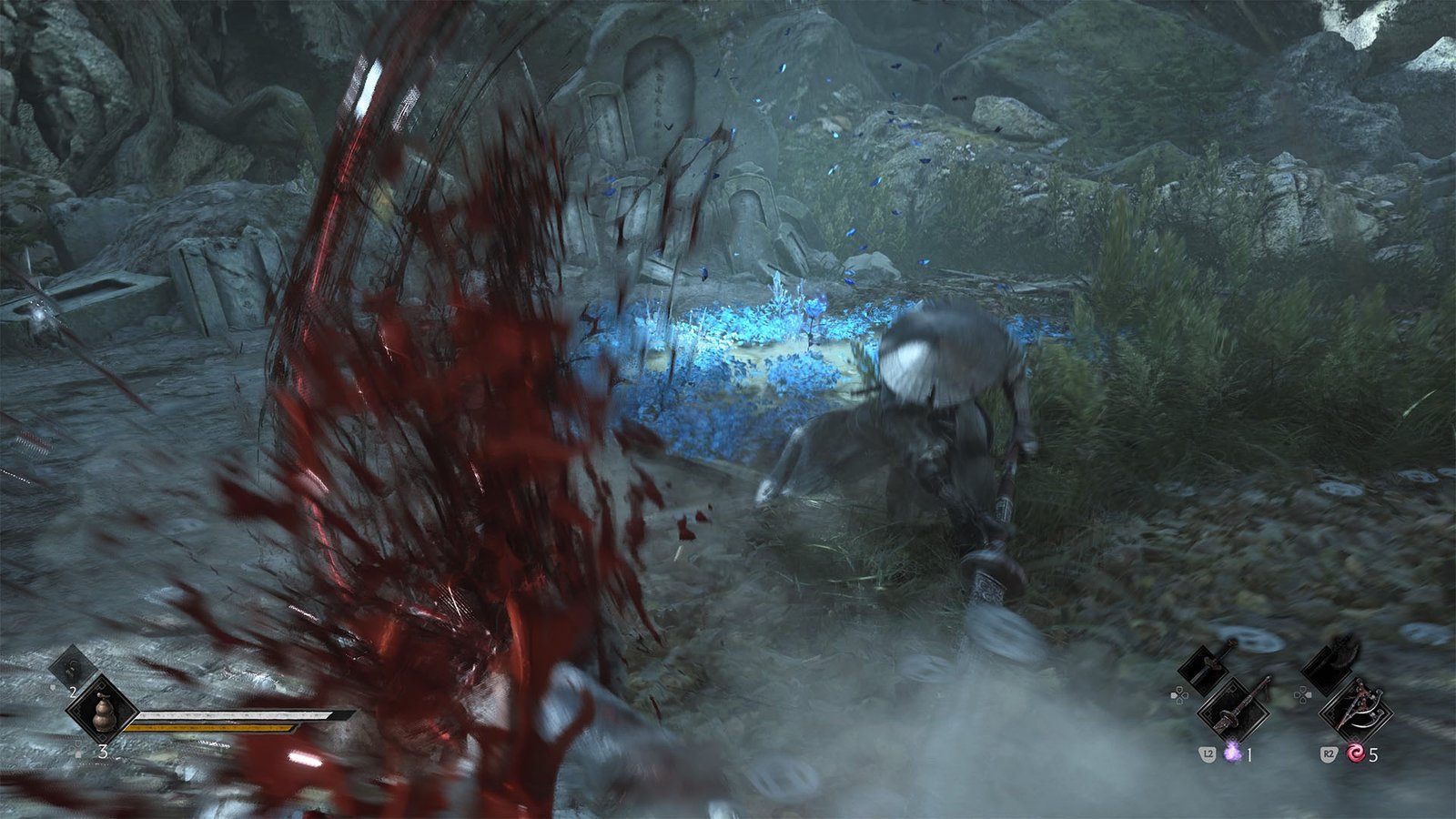
Once arms are drawn, that sense of control becomes Phantom Blade Zero’s defining pleasure. Soul can combine attacks with blocking, dodging, and parrying; a well-timed deflection can turn an incoming blow into an opportunity. Heavy strikes and guarding draw on Sha-Chi, an energy resource that asks you to balance commitment with the ability to defend yourself; these familiar foundations support a remarkable freedom to move between aggression and caution as an exchange develops.
The animation makes those decisions look extraordinary without constantly forcing you to wait for a flourish to finish. Special moves like Power Surges and Phantom Edges demand more commitment, but ordinary exchanges flow naturally from offence to defence, letting the action keep pace with your reactions. No matter the difficulty option you choose in Phantom Blade Zero, that growing familiarity gradually turns what once seemed overwhelming into a rhythm you can recognise and influence. It’s immensely satisfying to keep that rhythm alive as an opponent becomes more demanding, especially when a successful defensive response flows smoothly into your own attack.
Looking accomplished and becoming accomplished remain closely connected throughout that process. The animation gives even relatively straightforward actions a wonderful martial arts flourish, while your decisions determine whether those movements form a sustained exchange or end with Soul taking a beating. Recognising when to change direction, hold back or exploit an opening keeps the spectacle grounded in what you are doing, and that relationship becomes increasingly rewarding as tougher opponents demand a better understanding of the same foundations.
The physical authenticity beneath those movements reflects S-GAME’s extensive motion capture work with martial artists, including wire-assisted performances and the moves needed to connect complex exchanges in Phantom Blade Zero. Donnie Yen and his team’s experience in kung fu and action cinema is evident in the combat’s development.
That investment shows in how the movements fit together, giving the player room to improvise within choreography while keeping the excitement of a carefully staged martial arts fight. Watching different weapons interact with the enemy, offensively or defensively, is a treat, and even more so when Soul uses crowd-control moves I didn’t even know he could do.
Phantom Edges and the Art of Adaptation
Finding your own rhythm also means deciding what Soul brings into battle in Phantom Blade Zero, with main weapons ranging from swords and dual-wield arms to heavier swords and spears. Our preferred combinations often pair something quick with a heftier weapon, letting you shift between rapid pressure and a more forceful approach. That flexibility becomes especially useful as you discover which qualities an opponent makes easier to exploit, giving weapon selection a practical role in how you learn a fight.
For example, the dual-wielded Baishan Stormswords bring wind, thunder, speed and power together, while the Parting Hooks reward a greater emphasis on countering. Both are exciting to use, but their appeal comes from the different opportunities they encourage you to seek within an exchange. The two-handed Scarlet Wraithblade offers more unusual possibilities: its Red Spider Lilies drain enemy health and Sha-Chi, letting its attacks create an additional source of pressure in Phantom Blade Zero.
Elsewhere, the heavy Outlaw Warblade siphons health from flesh-and-blood foes, bringing recovery into an offensive approach, while the Fanatic’s Blade gains a ranged application when Soul gets drunk. Those qualities give new discoveries lasting appeal, especially when you can spot situations where an unfamiliar weapon might serve you better than an established favourite. The arsenal remains fun to explore because its differences keep creating useful possibilities.
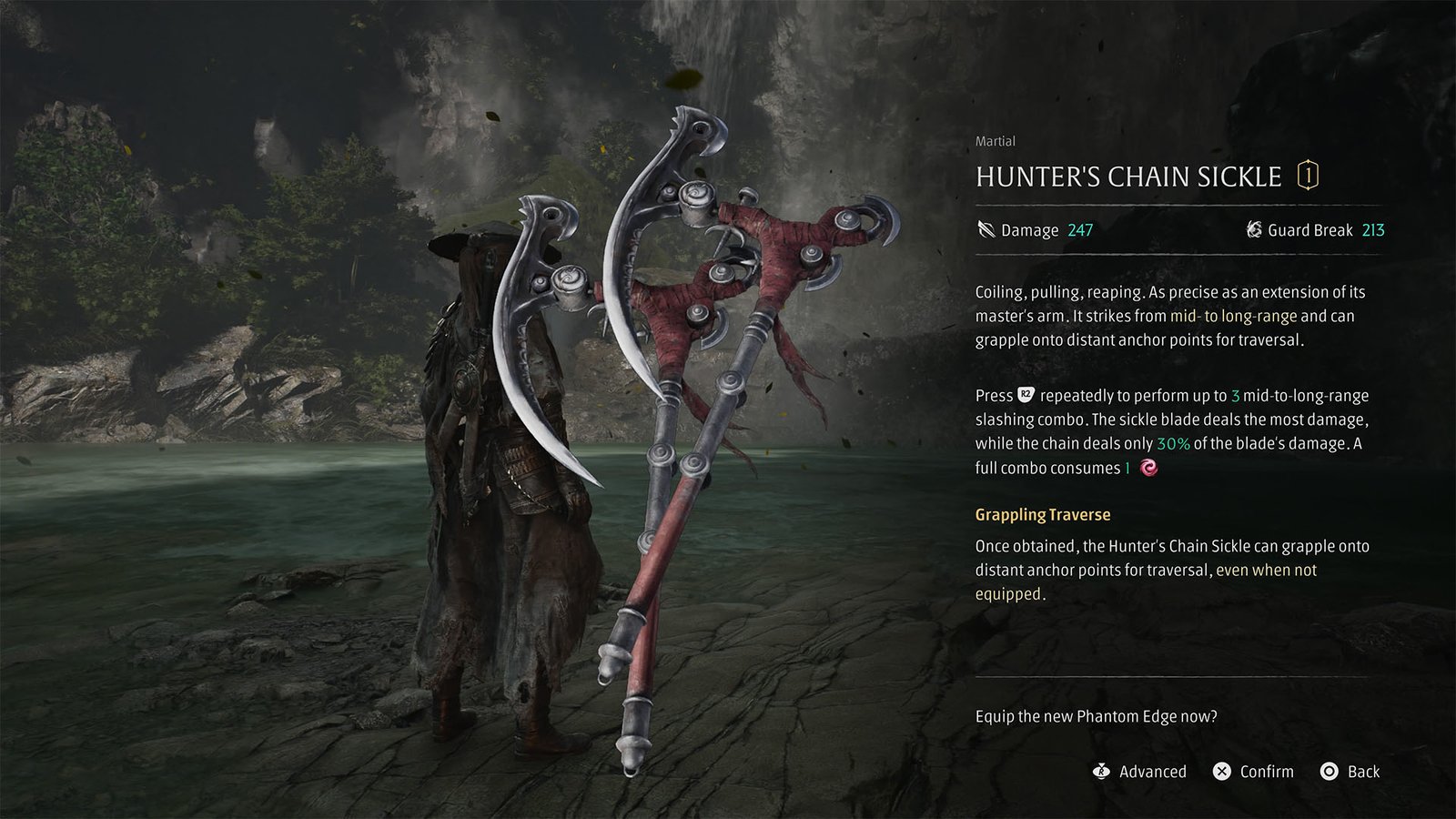
Alongside those main weapons are Phantom Edges, secondary weapons and tools with abilities that can reshape your approach in Phantom Blade Zero. The Bastion shield blocks all damage while your Sha-Chi lasts, turning its defensive power into a balancing act, while the Lightning Spear adds paralysis and opportunities to press forward. Pairing those options with a mix of fast and heavy weapons gave us comfortable offensive and defensive flexibility, without removing the incentive to switch when an opponent demanded something else.
The variety of choices becomes even more interesting when combined with an enemy’s vulnerabilities. Applying water and the Wet condition to a fire-using opponent can prevent certain moves and increase the damage it takes, while following up with lightning compounds the advantage. You are considering how to deny an enemy part of its strategy while also dealing damage, which makes discovering an effective interaction especially satisfying.
The progression systems of Phantom Blade Zero make acting on that curiosity practical, using materials and currency to improve equipment while the freedom to reset lets you reconsider earlier investments. Accessories and medicines provide further ways to augment Soul, and a compact skill tree makes its additions count, including a flash dodge that frees him from being hemmed in by enemy bodies.
Later, an upgrade process called Soul Tempering requires particular items to unlock powerful improvements, sometimes substantially changing how a weapon functions. Across these systems in Phantom Blade Zero, the pleasure lies in keeping the search for useful possibilities alive in an arsenal you might otherwise have settled into.
When the Wulin Fights Back
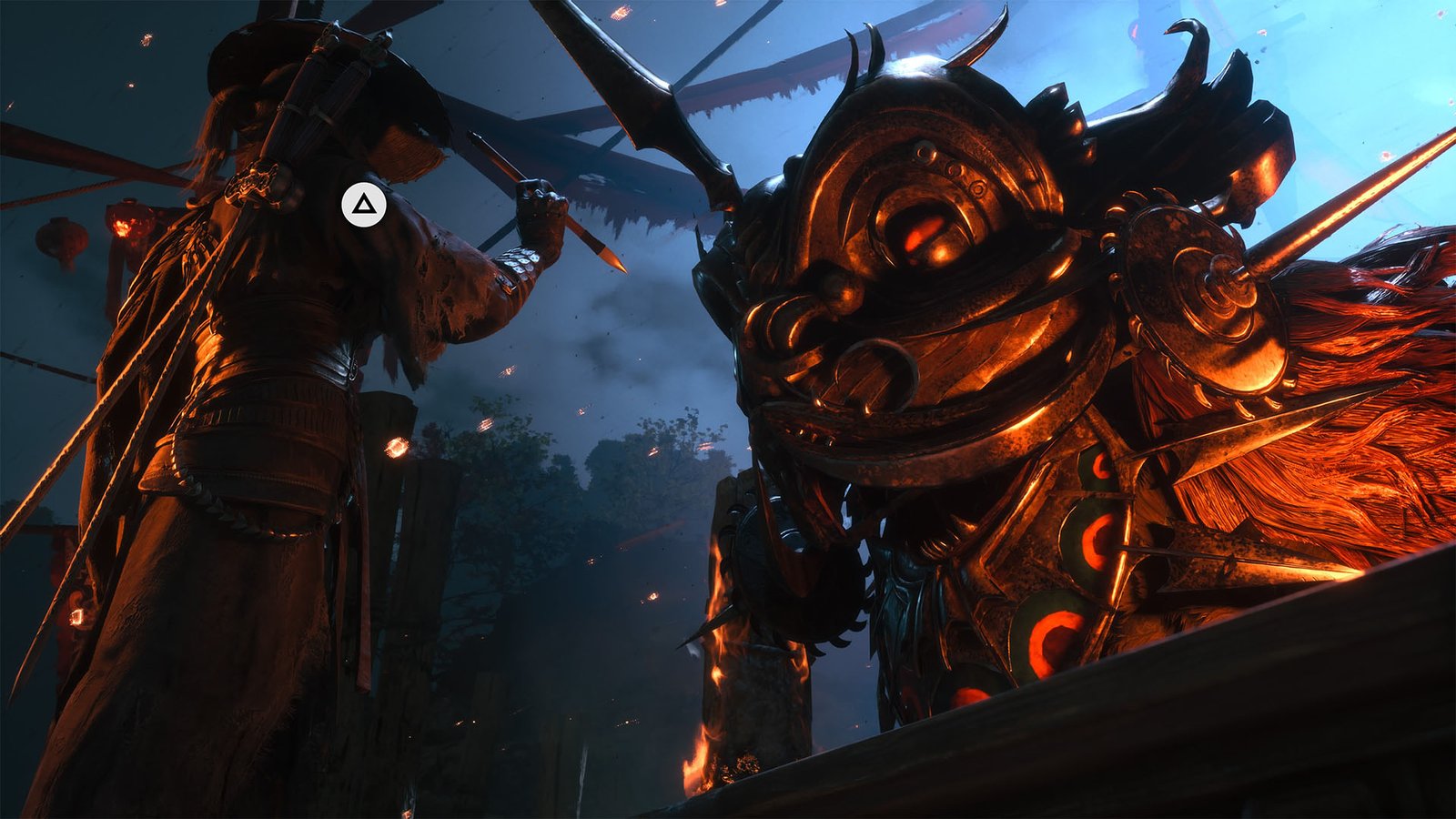
The enemies of Phantom Blade Zero ensure there is good reason to keep looking, with even lesser opponents bringing distinct problems to an encounter. Armoured skin must be broken before damage gets through, while intangible enemies only become vulnerable to a specific counter, encouraging you to read what is happening in front of you. Their variety keeps the journey between major confrontations interesting while setting the stage for bosses that take those demands much further.
These opponents also belong to the Wulin as characters, with their introductions, appearances and place in the unfolding conflict giving you reasons to remember them beyond how difficult they are to defeat. The drama leading into a confrontation often gives way to an equally striking physical performance, so discovering how someone fights feels like another part of learning who they are. It sustains interest across an adventure with so much combat, because reaching the next major battle brings narrative anticipation alongside the promise of another exceptional encounter.
As the game progresses, increasingly elaborate fights stretch across multiple phases, asking you to recognise changing patterns and timings while making effective use of your equipment. The Lion Dancer, as seen in earlier Phantom Blade Zero footage, captures that ambition beautifully: a more direct opening confrontation evolves into something with additional crowd control and platforming demands, drawing on traditional lion dance imagery to give its movement and arena a memorable identity. You must carry what you have learned into a changing situation, adapting your understanding as the encounter reveals another set of demands.
Late optional encounters push that understanding further still, and the finest battles deserve comparison with Sekiro: Shadows Die Twice‘s best for the satisfaction of gradually learning an opponent. Soul’s expanding capabilities and your developing expertise meet in fights that remain demanding while giving you convincing ways to succeed. Overcoming them feels earned because the game keeps encouraging you to observe, experiment, and improve, then creates encounters that bring those lessons together.
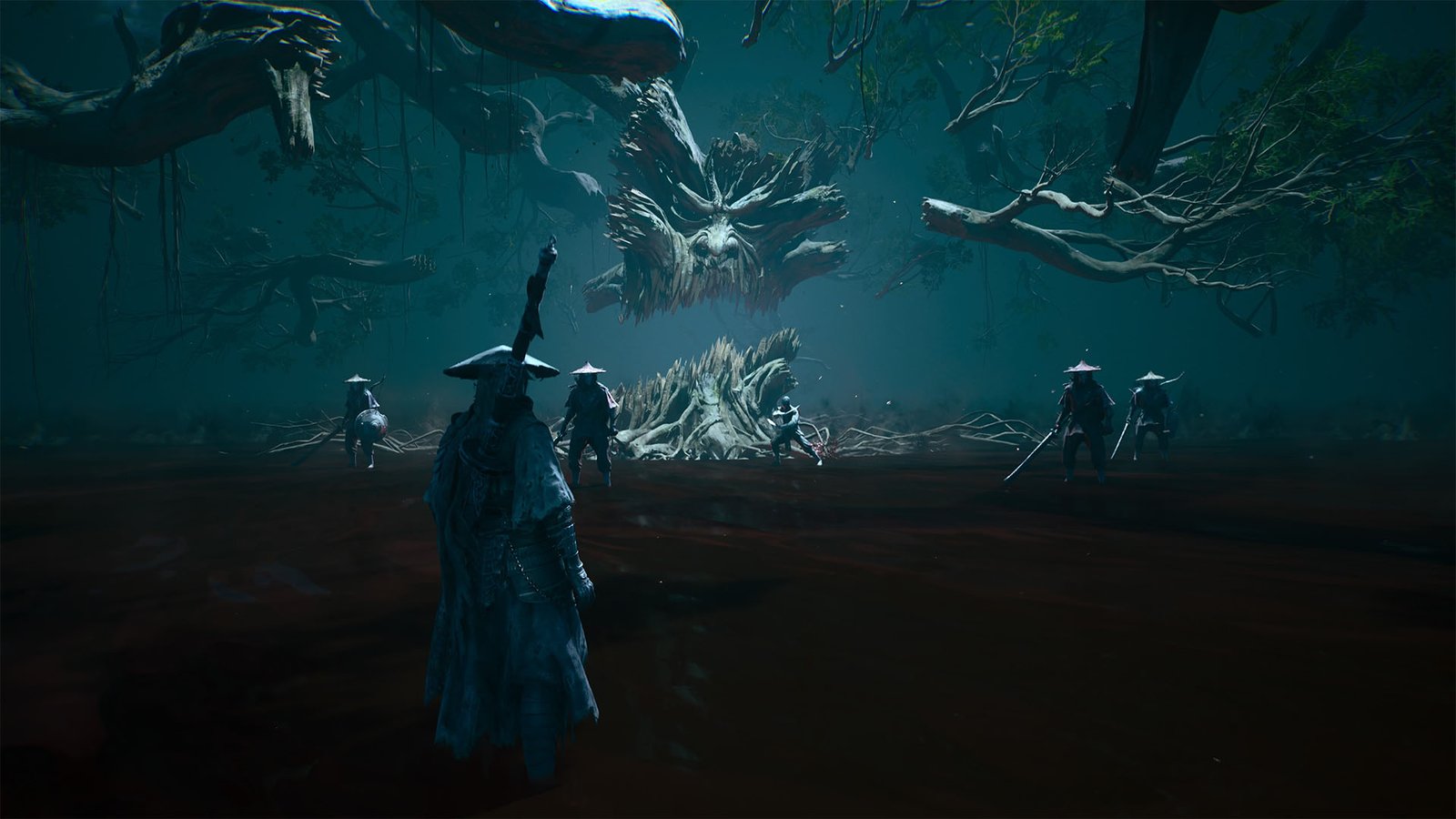
That relationship becomes less dependable when several enemies crowd into a confined space or if there are larger foes, where an obstructed camera makes attacks hard to read, and overlapping strikes can leave Soul trapped in a frustrating string of hits. Preparation and positioning offer some protection, but sometimes such encounters in Phantom Blade Zero obscure the information you need to respond. These problems are intermittent, although they stand out against the clarity of the best duels, where a clear view of an opponent lets you read the next strike, answer it and feel the exchange gather momentum.
The Sound and Fury of Phantom Blade Zero’s Kungfupunk
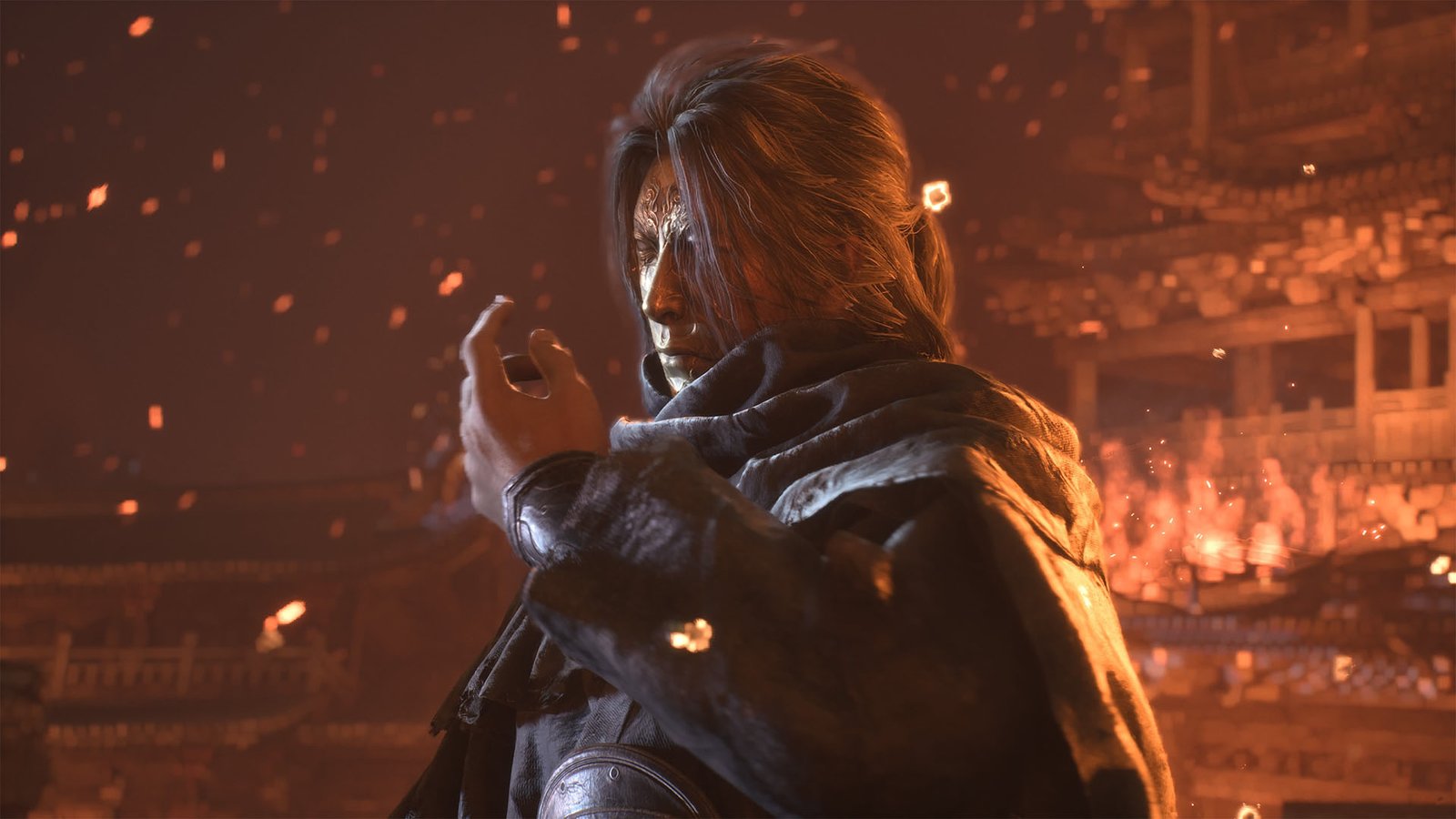
The conviction behind those battles carries into the faces and voices, giving Phantom Blade Zero‘s wider adventure its personality. Facial detail is impressive up close, and expressive animation helps conversations hold their own alongside the physical spectacle, giving the cast a convincing presence during dramatic exchanges. That attention becomes especially valuable in a story so focused on relationships, as the visual performances help sell the feelings and tensions beneath the dialogue.
That said, the cutscenes that pop up aren’t quite on the same quality level, which is a weird quirk, and they can pull players out of the experience just as things are about to get juicy, but it’s not significant enough to affect the overall enjoyment of Phantom Blade Zero. In fact, I lament that we don’t yet have Photo Mode to capture the glory of its martial arts prowess in action, but what we do have is amazing audio.
Traditional Chinese instruments and their accompaniment similarly connect the quieter stretches of exploration with the energy of combat, while weapon impacts, enemy sounds and environmental audio give the Wulin a persuasive physical presence. The music reinforces the game’s cultural roots without feeling detached from the action, supporting both the pleasure of discovery and the excitement of a demanding battle. Alongside the architecture, machinery and dark fantasy imagery, it helps S-GAME’s Kungfupunk setting feel coherent across Phantom Blade Zero.
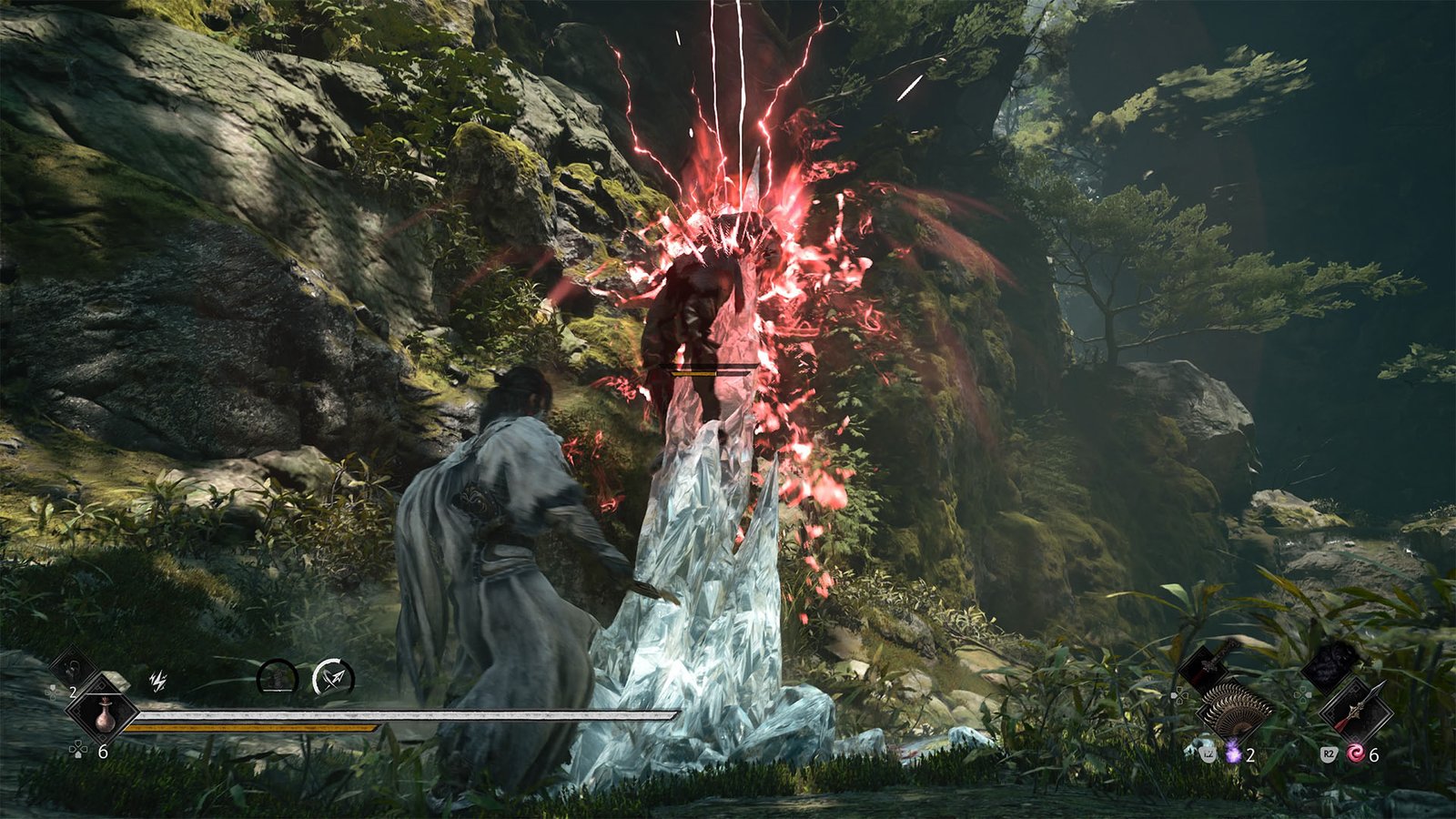
Our PS5 Pro experience, primarily in Performance Mode with ray tracing enabled, generally preserved the responsiveness that makes it so enjoyable to inhabit. Occasional slight hitches occurred outside fights, and roughly two hours in Graphics and Balanced modes revealed no notable issues. Infrequent clipping, trapped enemies, and Soul falling through the ground occurred; you could still eliminate trapped opponents, but falling through the environment required a quick reload. These interruptions add some roughness without becoming a defining feature of the adventure, and they’re easy to remedy.
By the end of Soul’s journey, Phantom Blade Zero‘s appeal reaches well beyond its ability to stage a beautiful fight. Its rivalries give those confrontations weight, its secrets encourage you to understand the places surrounding them, and its equipment keeps offering new ways to express what you have learned. Phantom Blade Zero sustains the excitement of becoming more accomplished within a Wulin worth caring about, making that final sense of mastery feel inseparable from the adventure that earned it.
Phantom Blade Zero launches on PlayStation 5 and PC on October 29.
SavePoint Score
Summary
Phantom Blade Zero pairs extraordinary martial arts combat with inventive weapons, superb bosses and a compelling wuxia world. Camera issues and familiar side-quest objectives occasionally interrupt the flow, but its depth and responsiveness keep rewarding mastery and delivering an epic adventure.
