

Table of Contents
Rayman Legends Retold Is Giving Its Heroes More Room to Feel
In our previous interview with Ubisoft Milan Production Director Alessandro Arndt Mucchi, we spoke about the things that should never change about Rayman. His world should remain dreamy, joyful and bizarre, no matter how extensively the developers choose to rebuild it.
What happens, then, when Ubisoft wants Rayman to express something beyond joy It is a question that has lingered since our first hands-on session with Rayman Legends Retold in June. While the platforming had comfortably survived its transition into 3D, giving the inhabitants of the Glade of Dreams greater emotional depth without losing their peculiar charm presented another challenge entirely.
Speaking with Marco Renso, Realisation Director at Ubisoft, ahead of the game’s December 3 launch, it became clear that the expanded narrative isn’t merely about giving players a better reason to jump from one platform to another. Some of the decisions being made in Rayman Legends Retold are as much about the adventures that could follow as they are about the one we are about to play.
There Is More to Rayman Than His Sense of Humour
Rayman has never exactly been short on personality. His exaggerated expressions, physical comedy and enthusiasm have helped make him immediately recognisable across games that approach the series in vastly different ways.
Renso wants players to see a little more of what lies beneath that familiar enthusiasm in Rayman Legends Retold. One of the team’s goals for the remake, he explains, was to “broaden the spectrum of emotion in the game to give more space to the characters.”
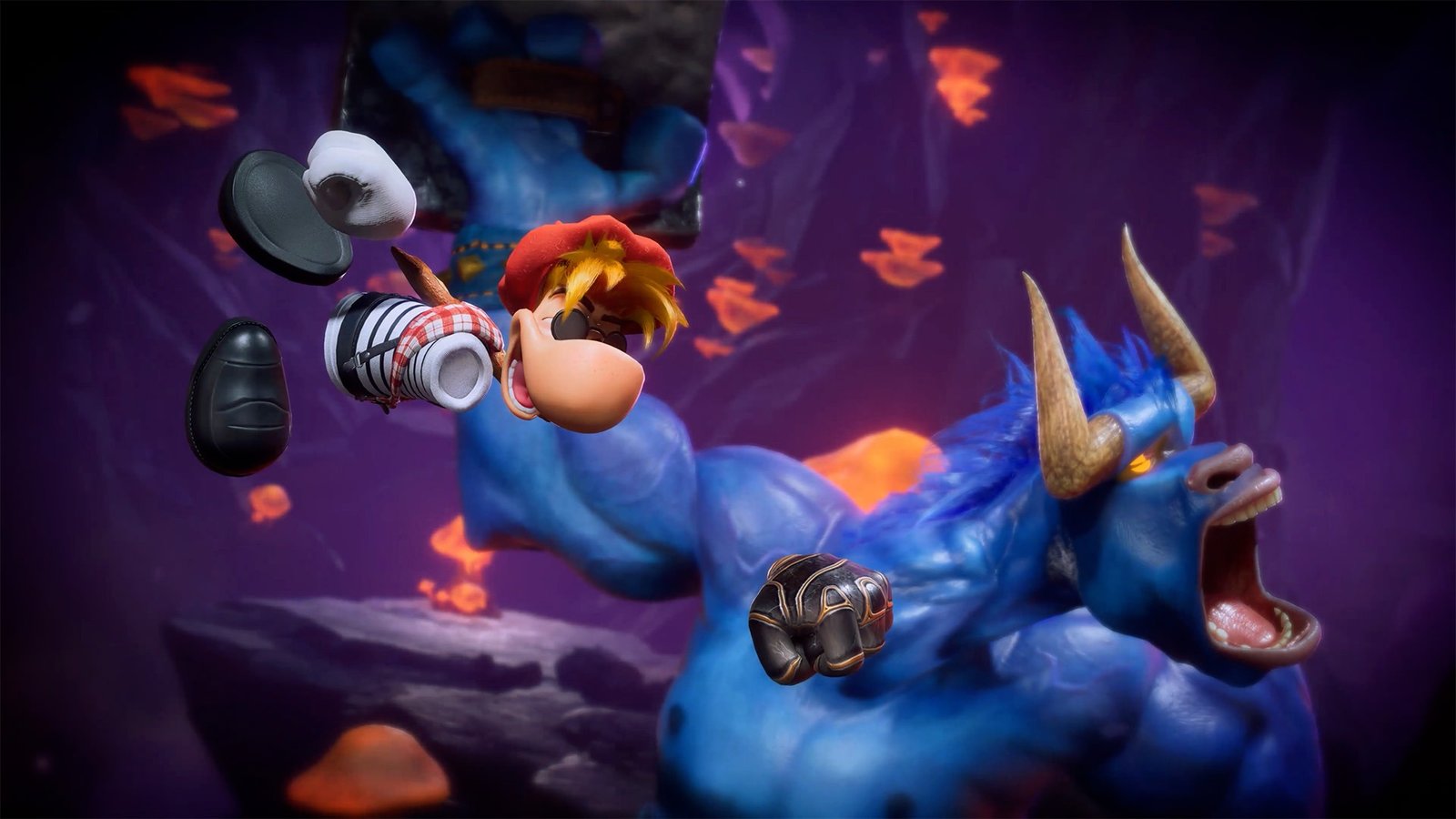
For newcomers, the expanded story offers an opportunity to understand Rayman’s resilience, positivity, and attitude toward adversity. For longtime fans, Ubisoft wants to introduce situations that let those same qualities come through in ways previous games rarely explored.
Pure comedy remains part of the experience, but Renso also speaks of moments of tension and even melancholy. Mucchi’s three storytelling pillars are not being discarded; the team is discovering how much else can exist comfortably alongside them. After all, there is a difference between a character who is always happy and one who remains positive when things around him are going wrong. The latter gives Ubisoft considerably more room to work with.
Ubisoft Had to Make Sense of Rayman’s Lore Before Expanding It
For a series that has existed for more than three decades, Rayman’s mythology is surprisingly difficult to pin down. Different games have approached their worlds and characters in different ways. Those inconsistencies rarely interfered with the enjoyment of the platforming, but they become harder to overlook when the developers want to establish a more connected narrative.
That was one of the first problems Ubisoft encountered with Rayman Legends Retold.
“We knew that we wanted to build foundations also for the future, but before extending the lore, we needed to bring some order into it.”
Rather than inventing an entirely separate mythology for Rayman Legends Retold, Ubisoft examined what had already been established, what still made sense and which elements could prove useful moving forward. Two characters benefiting from that process are Bubble Dreamer and Betilla.
The former was already present in Rayman Legends, but Renso points towards his greater significance within the remake and its wider universe. His dreams and nightmares are responsible for many of the wonders and dangers found throughout the Glade of Dreams.
Betilla, meanwhile, has served different purposes throughout the franchise, from her role in Rayman’s creation to granting him abilities. Her new design and presence reflect the team’s desire to bring greater cohesion to the series. That does not mean Ubisoft intends to explain every strange occurrence in the Glade of Dreams. As Mucchi previously told us, some characters will remain mysterious by design.
A dreamlike world doesn’t need to be entirely logical to feel believable, but some consistency behind its peculiarities gives future adventures more to build on.
Barbara Is Finally Getting a Chance to Tell Her Own Story
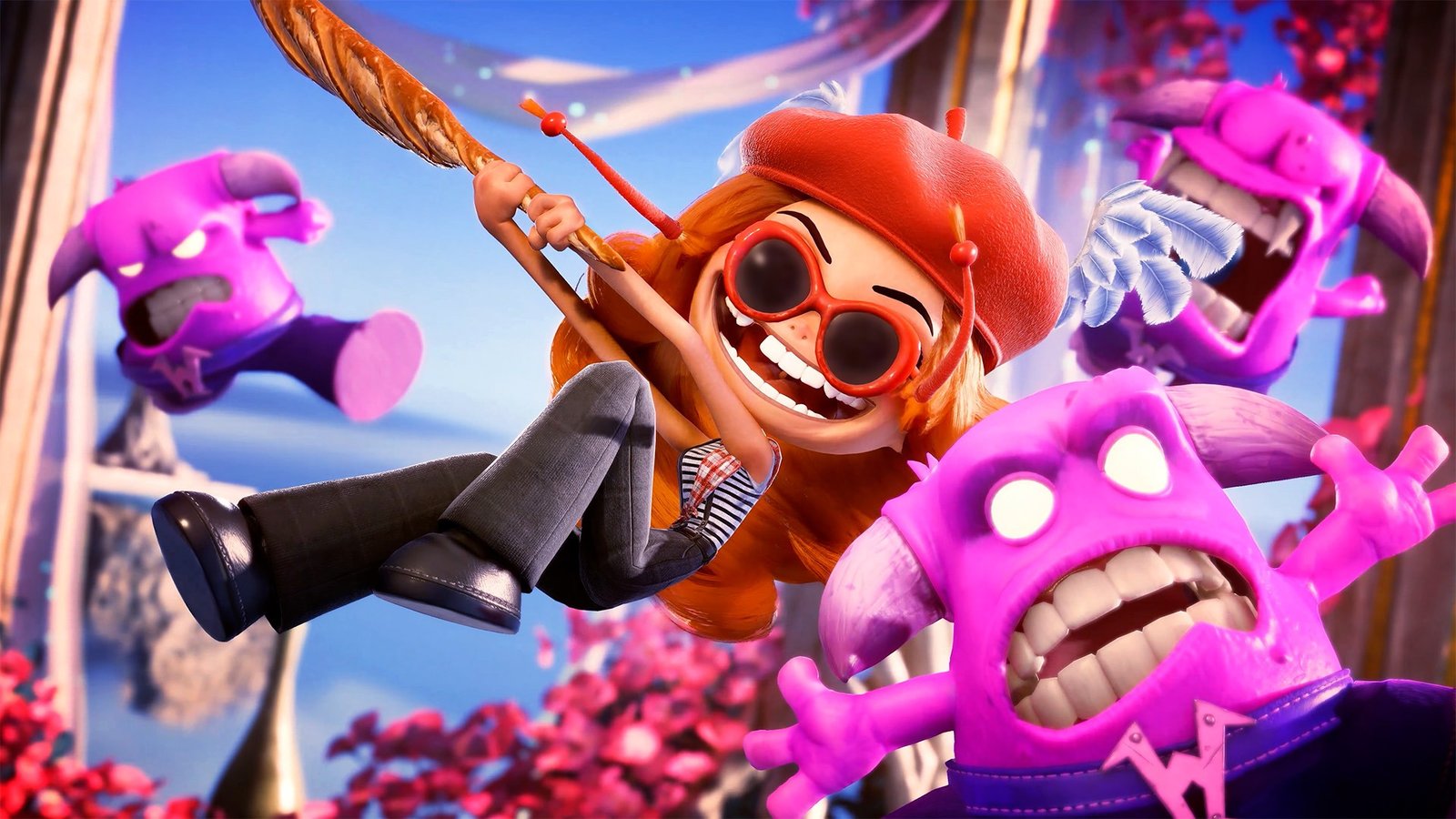
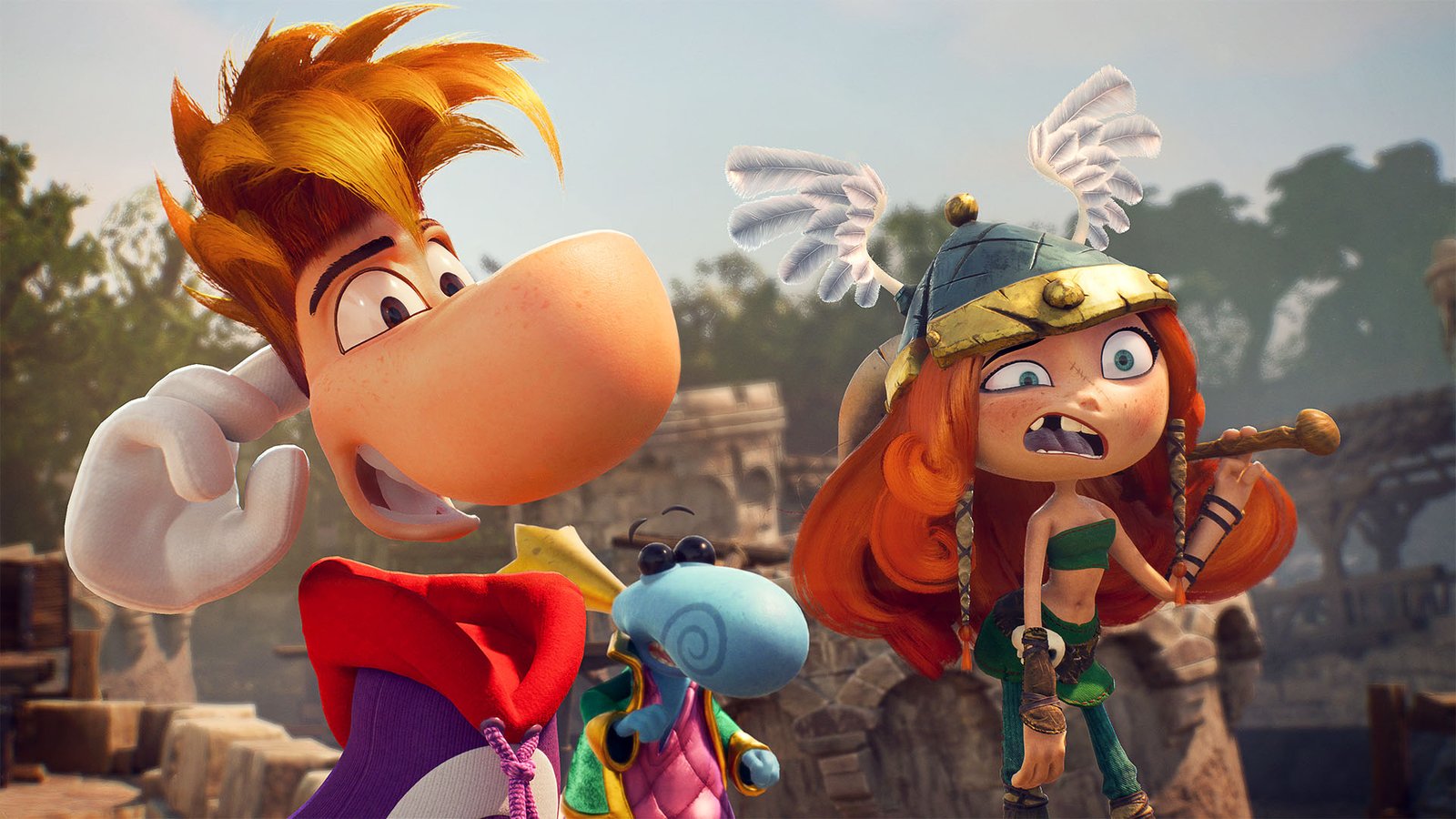
Among the four playable heroes, Barbara is the one Renso singles out as receiving particularly interesting attention. Rayman, Globox, and the Teensies have been part of the franchise for considerably longer, whereas Barbara arrived in Rayman Legends with little explanation of her past. That never stopped her from being memorable, but it left Ubisoft with plenty of room to develop her further.
Renso points towards an early scene in Rayman Legends Retold which Barbara references her tribe, offering players a glimpse into her background. Greater attention is also being paid to her interactions with companions such as Globox.
Having Rayman, Globox, Barbara, and Grand Minimus together in cinematics allows Ubisoft to show how differently they react to the same situation. Achieving that required collaboration between the narrative and animation teams, which established the relationships, preferences and personalities that would inform their performances.
“Driving the acting choices of the animators, there was the information on who these characters are, what they like, what they dislike.”
Even for established characters such as Globox, those decisions give the animators something more substantial to work with than familiar expressions and mannerisms. A joke can reveal something about the person telling it, while a reaction can tell us something about a friendship. For a platformer that still needs to keep moving, those small exchanges in Rayman Legends Retold could ultimately reveal more about its heroes than any extended cinematic.
Rayman Legends Retold Gives Familiar Encounters New Meaning
The New Villain Changes Why Players Fight Returning Bosses
The original Rayman Legends was never particularly concerned with explaining why its heroes were travelling between worlds and fighting increasingly elaborate creatures. The encounters were entertaining enough to carry the adventure, although Renso acknowledges that the overarching story felt somewhat disjointed.
Introducing a central antagonist was therefore one of Ubisoft’s earliest narrative decisions, influencing both the returning content and the new realm in Rayman Legends Retold. As detailed in Ubisoft’s official deep dive into the expanded narrative, the guardians of the various realms have fallen under the influence of dark magic, changing what the heroes are trying to accomplish when they confront them.
“Now you’re trying to set them free because they have been controlled by this dark magic.”
A returning boss is no longer necessarily something standing between Rayman and the next stage. Freeing that guardian becomes part of restoring the realm it was supposed to protect, giving familiar encounters a different purpose without requiring Ubisoft to reinvent how they play.
As for what the antagonist actually wants in Rayman Legends Retold, Renso remains understandably reluctant to say too much. He hints at something personal connecting the villain and Rayman, then once again brings the conversation back to laying foundations for the future. Ubisoft could have introduced an antagonist solely to give this particular adventure a clearer beginning and ending. Instead, some of those narrative choices appear to have been made with the wider series in mind.
Storytelling Does Not Begin and End With Cinematics
One of the more encouraging developments during our September preview of Rayman Legends Retold was how much more geographically coherent the world had become. Mystic Mesa, in particular, benefited from a stronger sense of place, with previously abstract environments now existing within a more recognisable whole.
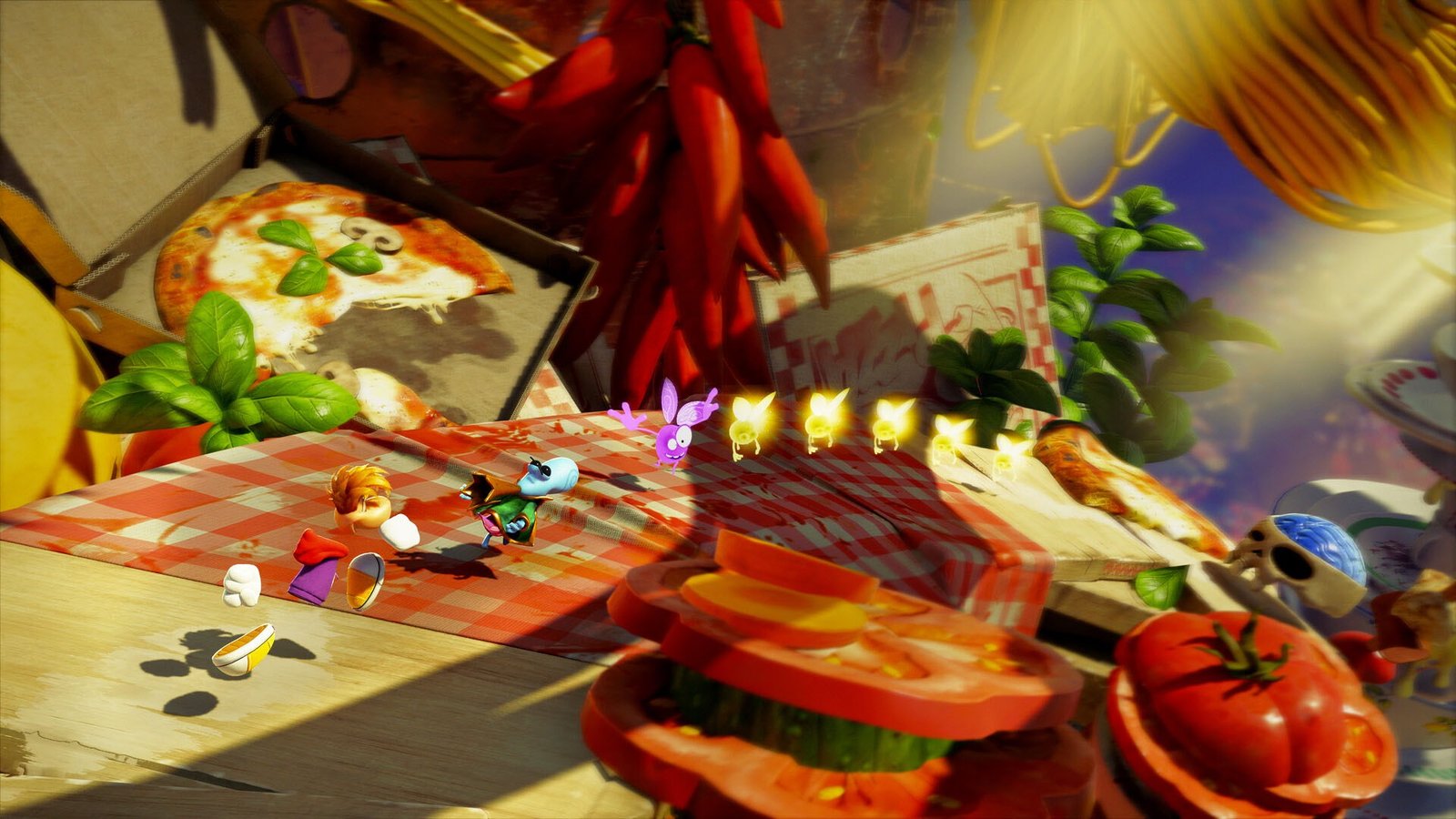
Renso explains that similar attention has gone into the other realms and their reworked hubs. Portals leading into levels exist within the environment itself, while changes in the surrounding creatures and scenery reflect the players’ progress. Storytelling also takes place during boss encounters, Dragon Rides, and even the musical stages.
“The storytelling is spread all over the game and not just through cutscenes.”
It gives returning players something else to pay attention to. Even when the platforming follows a recognisable path, its surroundings can offer a different understanding of what is happening within the wider adventure. More importantly, the better Ubisoft communicates that information through the playable portions of Rayman Legends Retold, the less pressure its cinematics are under to explain everything.
How Ubisoft Is Making Rayman More Expressive Without Slowing Him Down
Sometimes an Eyebrow Can Do More Than a Line of Dialogue
Mucchi previously described how the development team physically bent existing walkable paths through three-dimensional environments without compromising the original platforming logic. For Renso and the animation team, the additional dimension presented a different opportunity.
The new camera in Rayman Legends Retold can move closer to the heroes, making facial expressions and smaller physical reactions considerably more visible. Voiced cinematics also allow Ubisoft to communicate emotions that might previously have relied on broad visual exaggeration.
Finding the right balance required considerable iteration between the 2D and 3D artists, character modellers, rigging specialists and animators. Expressions and poses were established in 2D before the team worked out how to reproduce them using the new models.
“We knew that we didn’t want to lose the physicality and exaggeration of the original game because it’s iconic.”
Rayman can still squash, stretch and pull ridiculous faces. Those qualities remain central to his visual identity, but when the camera moves closer during a quieter scene, animators can make much smaller adjustments to the eyelids, eyebrows and other facial details. Combined with voice acting, those subtleties give the characters a broader range of expression without forcing them to behave like characters from a different game.
For all the attention surrounding the visual overhaul, these smaller moments of animation in Rayman Legends Retold may ultimately distinguish the remake’s storytelling. Communicating uncertainty, concern or affection through a simple expression gives Ubisoft another way to develop its characters without resorting to more dialogue.
Ubisoft Shortened the Opening to Get Players Moving Sooner
There is an inherent danger in adding a more substantial story to a platformer as immediately enjoyable as Rayman Legends. Every minute spent watching the characters is another minute spent not controlling them. One complication was Ubisoft’s desire to preserve the original freedom to choose which realm to explore and whether to confront its boss before moving elsewhere. The narrative team cannot always assume that players have experienced particular encounters in a predetermined order.
Rather than impose a more linear structure to make the story easier to tell in Rayman Legends Retold, Ubisoft had to accommodate the choices players could already make. It also had to exercise restraint when deciding how much information to communicate through cinematics.
The opening provides a particularly concrete example. Initially, the developers wanted to spend more time introducing the characters and explaining the adventure, before realising they were keeping players away from the platforming for too long.
“We wanted players to get to gameplay sooner, so we simplify things a bit in order again to find the right balance.”
It is an encouraging indication of where Ubisoft’s priorities lie. The studio may have more to say about Rayman and his companions this time, but the best reason to keep playing a Rayman game should still be the pleasure of playing it.
The Land of the Livid Dead Finds Hope in the Darkness
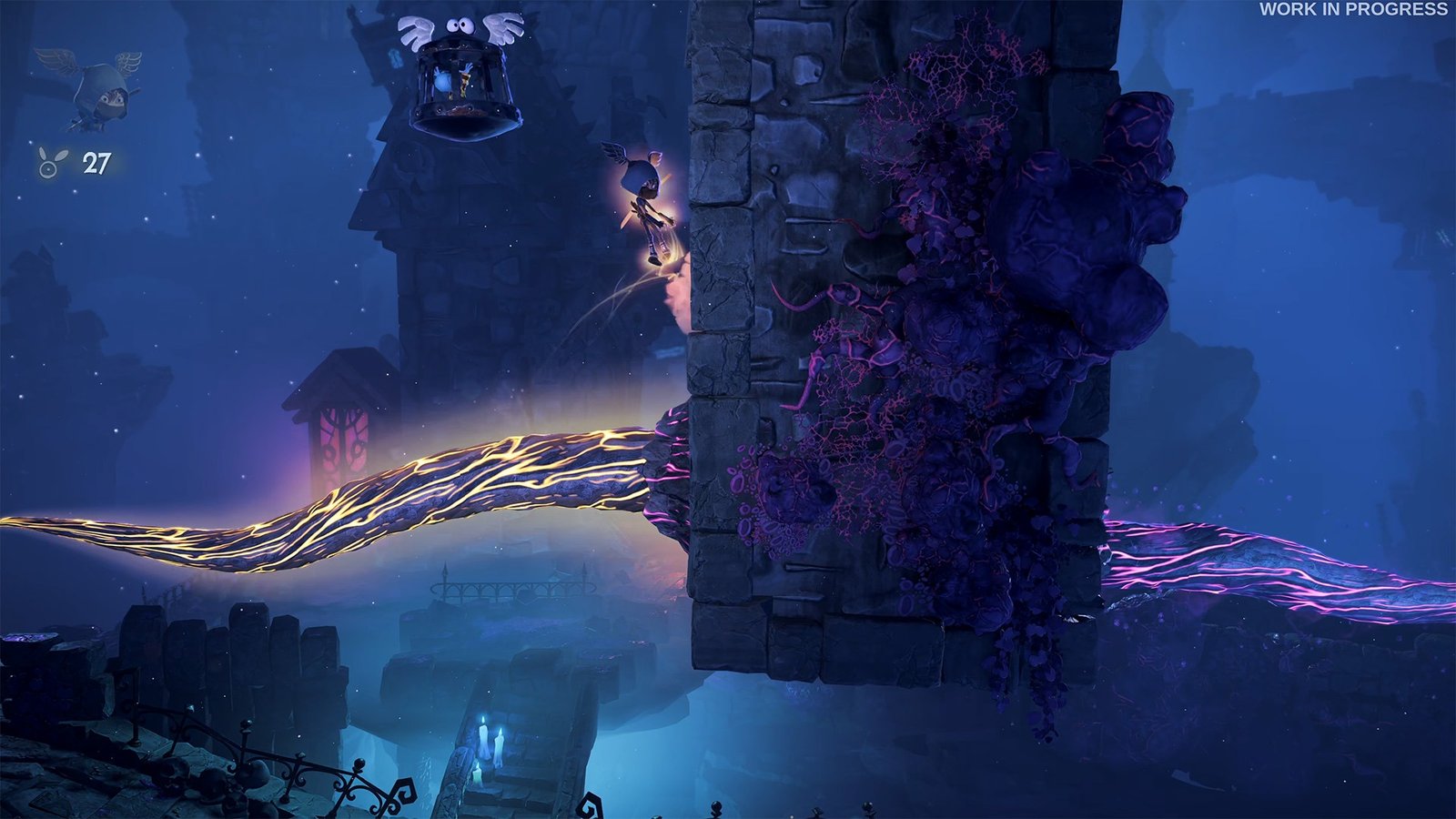
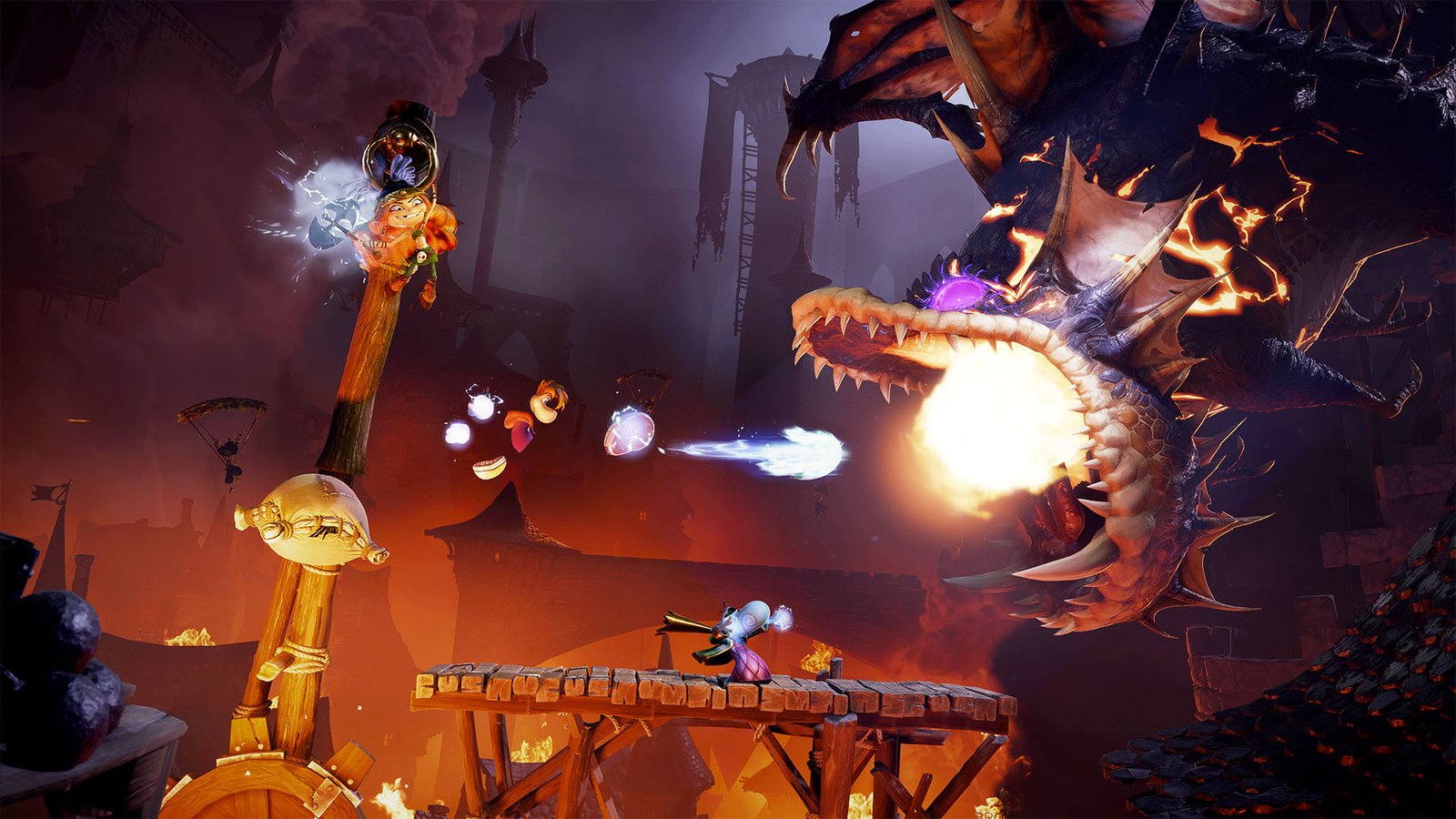
If there is one location that brings together much of what Renso discusses, it is the Land of the Livid Dead. Previously seen in the series, including Rayman Origins, the location returns as a substantially expanded realm for Rayman Legends Retold.
Its darker atmosphere provides an obvious contrast to the vibrancy associated with much of the Glade of Dreams, while Fairy Radiance gives players another way to interact with its environments. That contrast is deliberate. Renso explains that the setting allows the team to introduce moments of danger alongside quieter, more poetic sequences.
Fairy Radiance also becomes part of that transition. Beyond its mechanical usefulness, bringing light into an environment consumed by darkness connects what Rayman is doing with what the story is trying to communicate.
“There’s still hope in darkness.”
It is a simple sentiment, but one that brings the conversation back to Rayman himself. The world can become more threatening, and its characters can experience melancholy without Rayman necessarily becoming a darker character. His positivity can instead become more apparent because of what surrounds him.
Giving Rayman the opportunity to experience something other than joy might ultimately be the best way to show why that joy is such a defining part of his personality.
Rayman Legends Retold Is Looking Beyond Its Own Story
Across our conversations with Mucchi and Renso, a clearer picture has emerged of what Ubisoft Montpellier and Ubisoft Milan are trying to accomplish. Mucchi spoke about preserving the qualities that make a Rayman game immediately recognisable. Renso’s work shows how those qualities can coexist with a stronger sense of character, history, and adventure.
The interesting thing is how often he brings the conversation back to what could come afterwards. Even before Rayman Legends Retold was publicly revealed, Ubisoft Milan’s recruitment efforts had already pointed towards renewed ambitions for the Rayman franchise. Revisiting decades of inconsistent lore, developing relationships between the heroes and introducing an antagonist with a personal connection to Rayman are giving those ambitions a more tangible form.
That is not confirmation of a sequel, but it makes Rayman Legends Retold feel like an opportunity to establish more than a new visual identity for an old favourite. We already know how much fun it is to run, jump and punch our way through the Glade of Dreams. Ubisoft now wants us to appreciate the people who live there, their relationships, and the world they are trying to protect.
And if Renso’s work succeeds, perhaps we will leave the adventure wanting to know where they go next.
Rayman Legends Retold launches on December 3 for PlayStation 5, Xbox Series X|S, Nintendo Switch 2 and PC, with Rayman Origins: Enhanced Edition included.
