

Table of Contents
Steam Machine Pricing Confirms a Premium Return to Valve Hardware
The success of the Steam Deck made many players wonder whether Valve would make a more serious return to living room gaming hardware. For PC players, one of the biggest hopes was a revived Steam Machine built properly around SteamOS, modern components, and Valve’s wider ecosystem.
That idea has now become real, but the final price may be higher than many expected. Valve has revealed official pricing for its new Steam Machine lineup, confirming that the system will start at US$1,049 for the 512GB model without a Steam Controller.
The announcement makes Valve’s latest hardware push feel less like a traditional console challenger and more like a compact SteamOS gaming PC. That may be exactly what some players want, but it also changes the conversation around the device’s value.
Steam Machine Launches in Two Main Storage Options
The new device will launch in two main configurations: a 512GB model and a 2TB model. Both versions share the same core internal specifications, with storage as the main difference between them. The 512GB Steam Machine will cost US$1,049 without a Steam Controller, or US$1,128 when bundled with one. The 2TB model will cost US$1,349 on its own, or US$1,428 with the Steam Controller included.
The 2TB edition also includes two interchangeable bonus faceplates, Red Fabric and Solid Walnut, giving buyers a small customisation extra beyond the additional storage. Even so, the fact that the Steam Controller is sold separately has become one of the most discussed details from the pricing reveal.
Steam Controller Being Sold Separately Raises Eyebrows
Valve’s decision not to include the Steam Controller by default immediately sparked debate among players. Given that the Steam Machine is designed for living room play, many expected the controller to be part of the standard package.
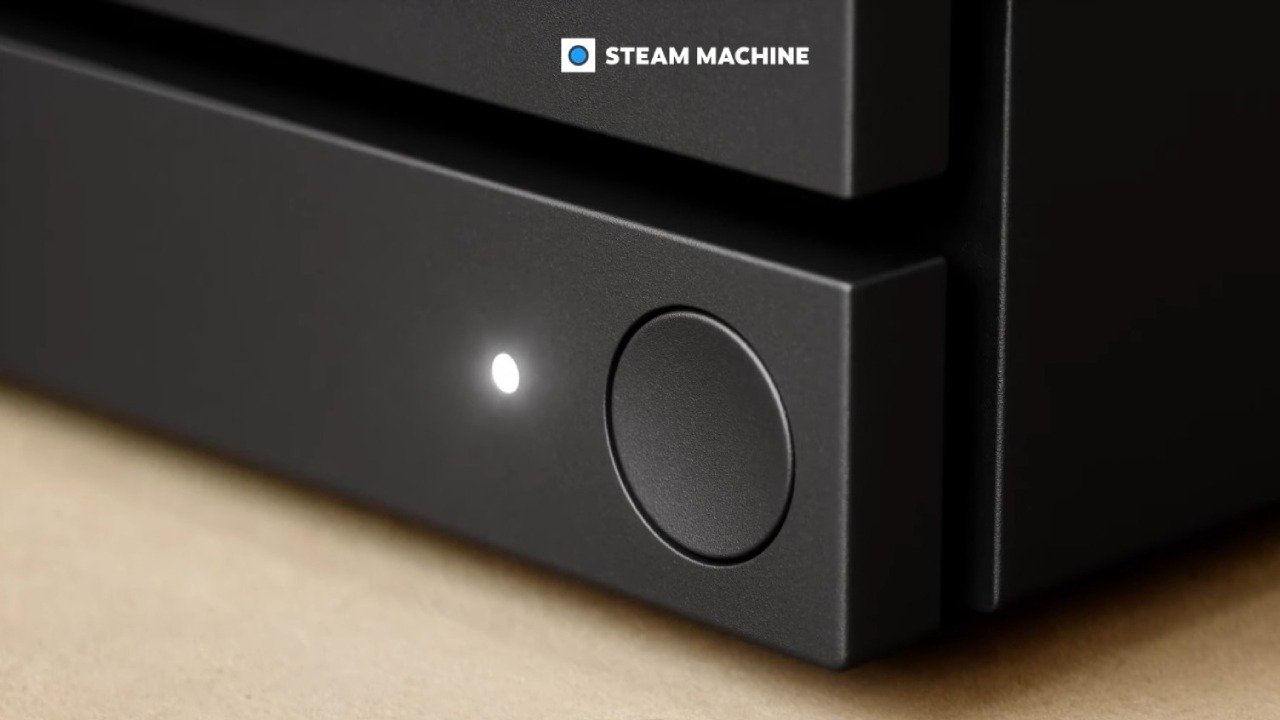
Instead, the hardware is being sold more like a PC, where players can choose their own preferred input method. That makes sense from Valve’s open ecosystem approach, but it may still feel unusual for users comparing it directly against PlayStation, Xbox, or Nintendo hardware.
The pricing also places the Steam Machine well above the Steam Deck and current console hardware. For players hoping Valve would deliver a heavily subsidised living-room Steam box, this reveal makes it clear that the company is taking a different route.
Valve Says Component Costs Changed the Plan
Valve has explained that the final pricing was affected by rising component costs, particularly around memory and storage. The company has also indicated that it is not subsidising the Steam Machine in the same way traditional console manufacturers often do.
That matters because consoles are usually sold with the expectation that platform holders can recover value through software sales, subscriptions, or a closed storefront. Valve’s argument is different, as the Steam Machine is presented as one SteamOS PC option within a broader open PC ecosystem, not a locked console.
Steam Machine Becomes a Major Test for SteamOS Beyond Handhelds
Valve is set to begin its launch process this week in select regions. The rollout will test whether Steam Deck’s success can translate into a dedicated living room gaming PC built around SteamOS. The pitch is still compelling in concept as the Steam Machine gives players a compact device made for TV play, access to their existing Steam libraries, and a console-style interface without fully leaving the PC ecosystem.
The challenge is price. At US$1,049 to start, the Steam Machine is no longer just competing with consoles. It is also competing with prebuilt gaming PCs, handheld PCs, and players who may already own hardware capable of running their Steam libraries. Valve has built a device many fans wanted, but whether enough players will pay this much for it is now the real question.
