

Table of Contents
Stranger Than Heaven Expands Its Like a Dragon Links With New Story and Systems
Makoto Daito’s 50-Year Story Points Straight at the Tojo Clan
RGG Studio’s Stranger Than Heaven is no longer a mystery box. In the latest Xbox Presents, SEGA and the studio confirmed that the game follows protagonist Makoto Daito across 50 years, beginning in 1915 and ending in 1965.
Makoto was born in the United States to an American father and Japanese mother, lost both parents at a young age, and eventually stowed away on a ship to Japan. He is caught by Orpheus, a smuggler played by Snoop Dogg, who becomes central to the opening arc. Alongside Orpheus, Makoto meets Yu Shinjo, another young man of mixed heritage whose ambition is less about survival and more about reshaping Japan. That clash of motives is set to be the emotional engine that keeps the two men tied together as friends, rivals, and, in unexpected ways, eventual partners.
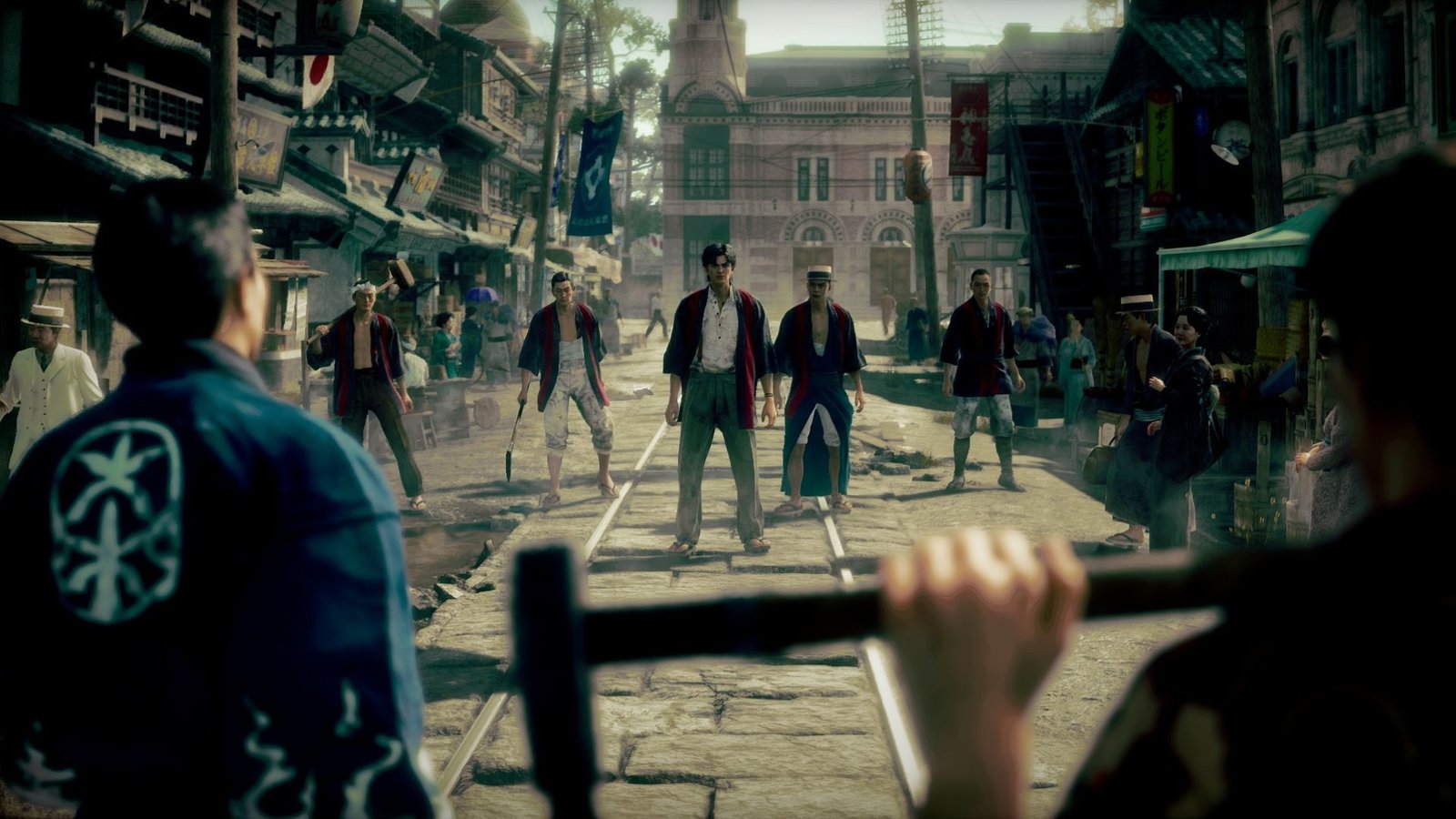
The first city, Kokura in Fukuoka, is described as industrial, vice-heavy, and ripe for crime. It is also where Makoto’s early identity begins to form, both in the underworld and in the game’s other major pillar: music.
From there, Stranger Than Heaven moves to Kure, Hiroshima, in 1929, where Makoto becomes entangled with yakuza organisations and eventually joins the Iwaki Family, earning the feared nickname “Red Oni.” The series has never shown the origins of its most influential criminal institution with this kind of historical sweep, and this setup reads like RGG finally building that missing foundation rather than merely referencing it.
Five Cities Across Five Eras, With Culture Shifts Built Into the Setting
The five main locations are intended to be more than backdrops. Each era is framed as having its own technology level, entertainment culture, and social texture, which should materially change what “life in the city” means across the campaign.
After Kokura 1915 and Kure 1929, the story jumps to Minami in Osaka in 1943, a bright entertainment hub with a darker power struggle underneath. RGG describes an environment where the yakuza and Italian mafia compete in the shadows, while new forms of entertainment thrive on the surface.
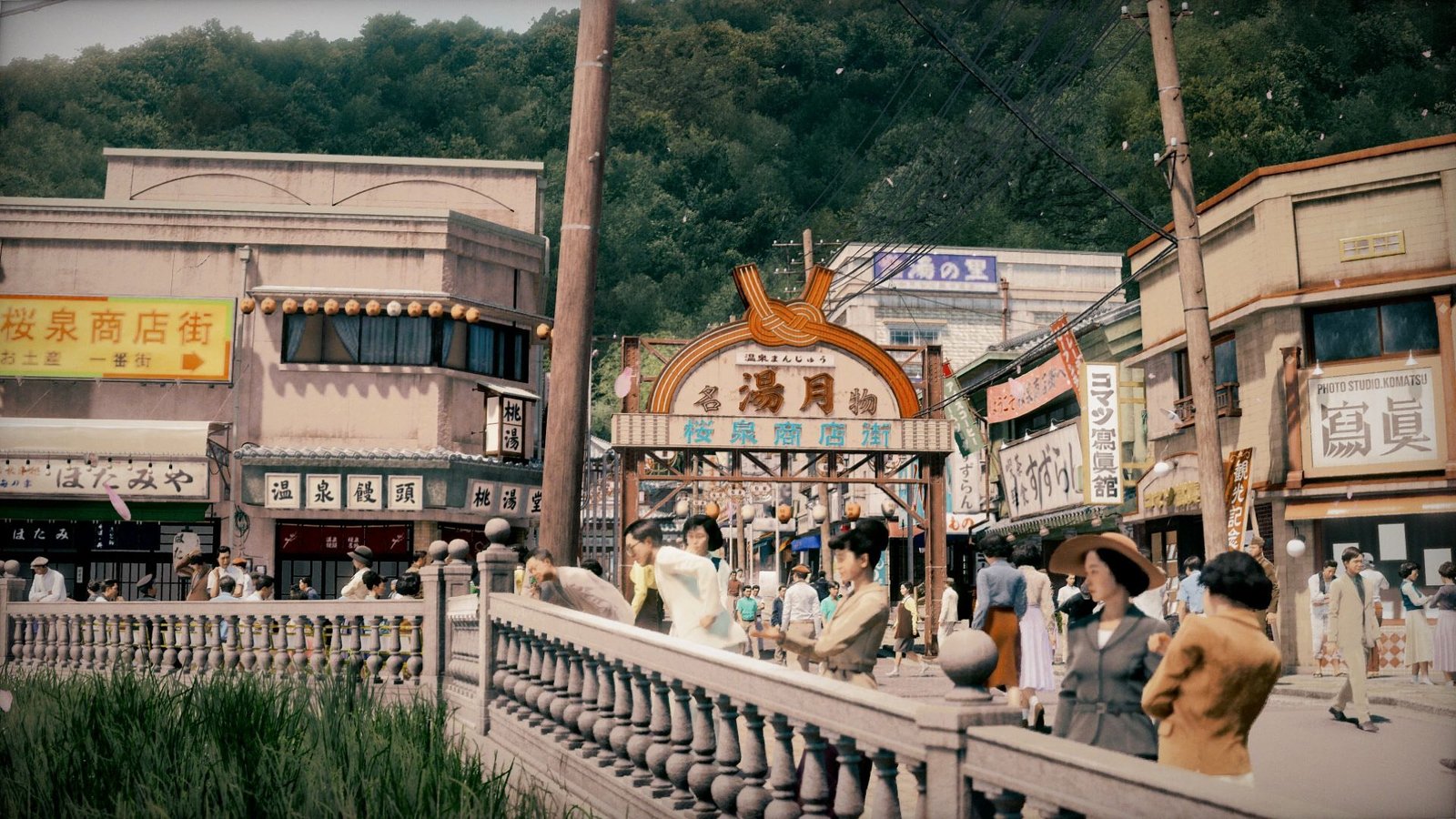
That Osaka segment in Stranger Than Heaven is also where Makoto and Yu reunite and pivot hard into show business. The fourth setting shifts tone again, landing in Atami, Shizuoka, in 1951. It is less urban and more scenic, but the key detail is cultural influence: American presence is growing, reshaping language, music, and fashion. It is a smart way to show time passing without simply changing cars and costumes.
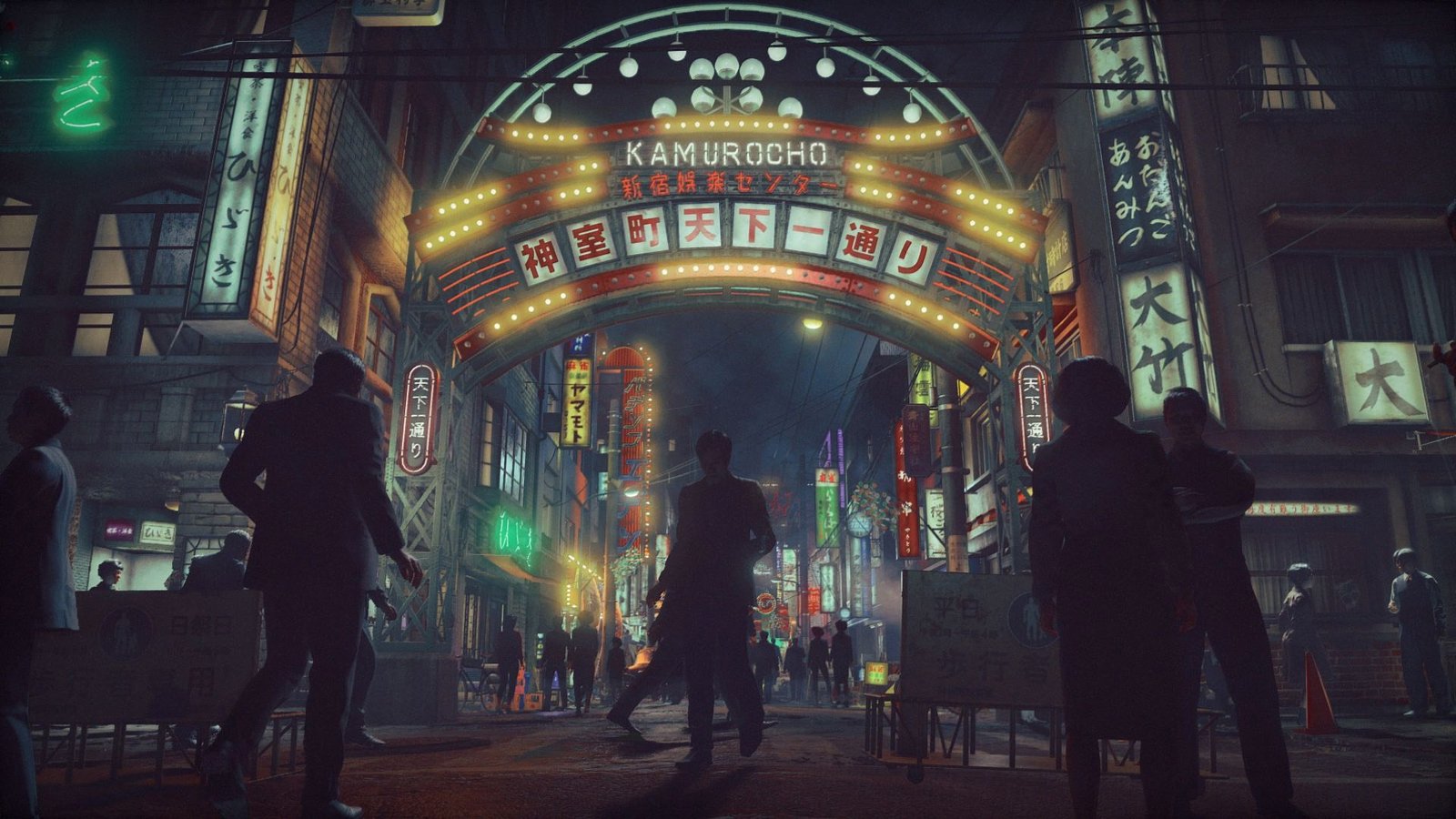
The final era is Shinjuku, Tokyo, in 1965, with RGG directly teasing that a major secret will be revealed there. The studio is clearly treating the last act as a payoff not only for Makoto’s personal arc, but for the larger legacy connection Stranger Than Heaven is hinting at. Beyond the main story beats, the showcase also highlights era-specific activities, including arm wrestling, dice games, card games, and target shooting, suggesting each location gets its own flavour of distractions in classic RGG fashion.
Music, Showbusiness Management, and a Sound Collection Mechanic
Stranger Than Heaven’s biggest surprise is how deeply it integrates music into progression. Makoto is presented as someone with a talent for hearing patterns in everyday life, and that becomes a mechanic. Players can walk up to sounds in the world and capture them as recordings, whether it is a broom sweeping, a train passing, or even the impact of a fight. Those recordings differ by era, location, and time of day, then feed into composition sequences where players assemble original pieces with different instruments and moods.
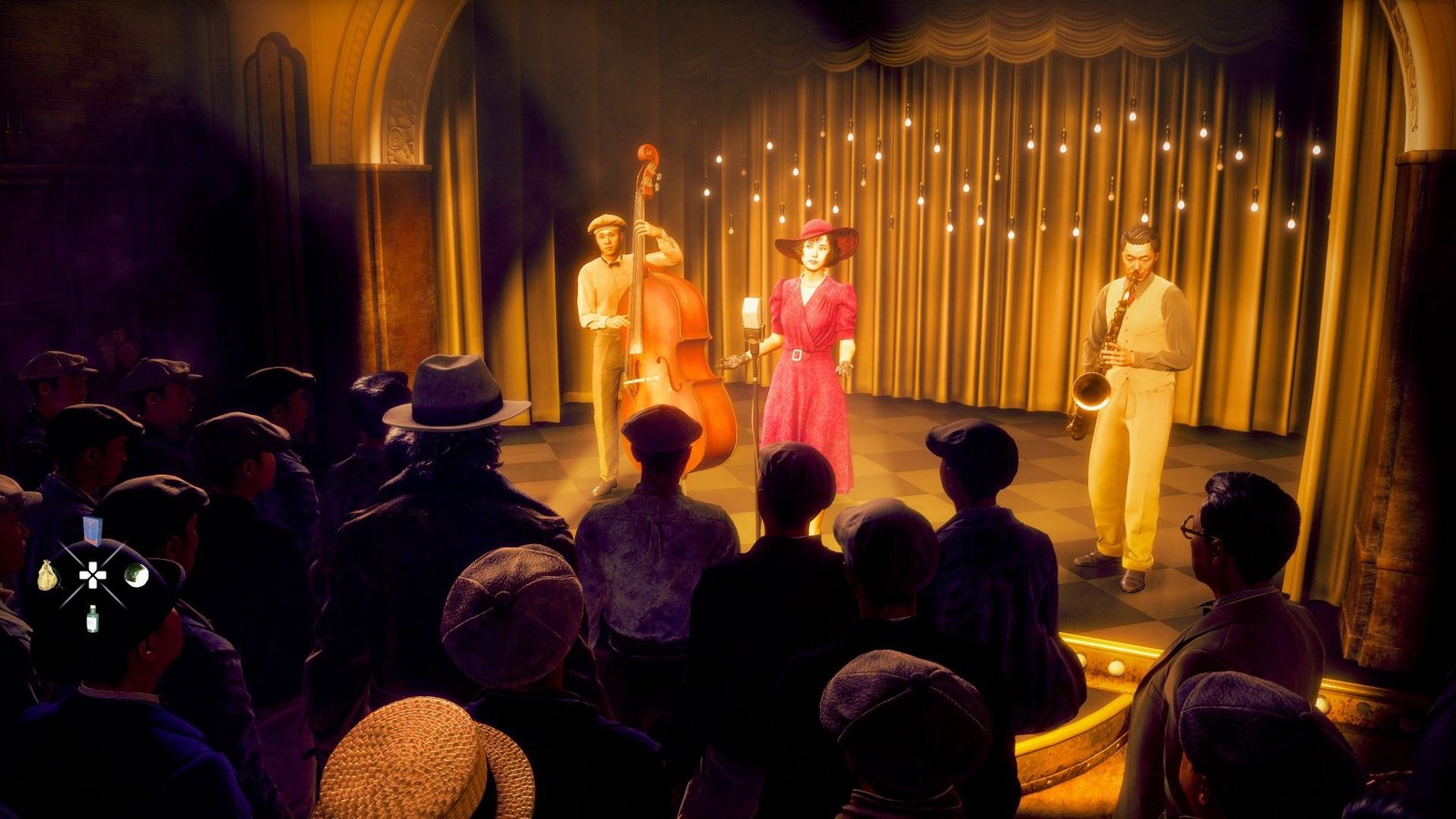
That system connects directly to a management layer where Makoto produces shows, scouts talent, chooses performers, and builds setlists. The showcase frames it as a hands-on organisation rather than a passive menu activity, including choosing band line-ups from a roster and arranging a five-piece group on stage. Scouting is also tied to exploration, with intel gathered from NPC chatter and local observation, which is a clean way to connect RGG’s city design strengths to an entirely new gameplay pillar.
RGG also confirmed several “Singer” characters who are portrayed by real-world artists. Takashi, played by J-Pop artist Satoshi Fujihara, becomes Makoto’s assistant and protégé through yakuza connections. Suzy, played by American singer-songwriter Tori Kelly, appears during the Shizuoka segment in Stranger Than Heaven, framed around the cultural collision of East and West.
A New Dual-Limb Combat System Built Specifically for This Game
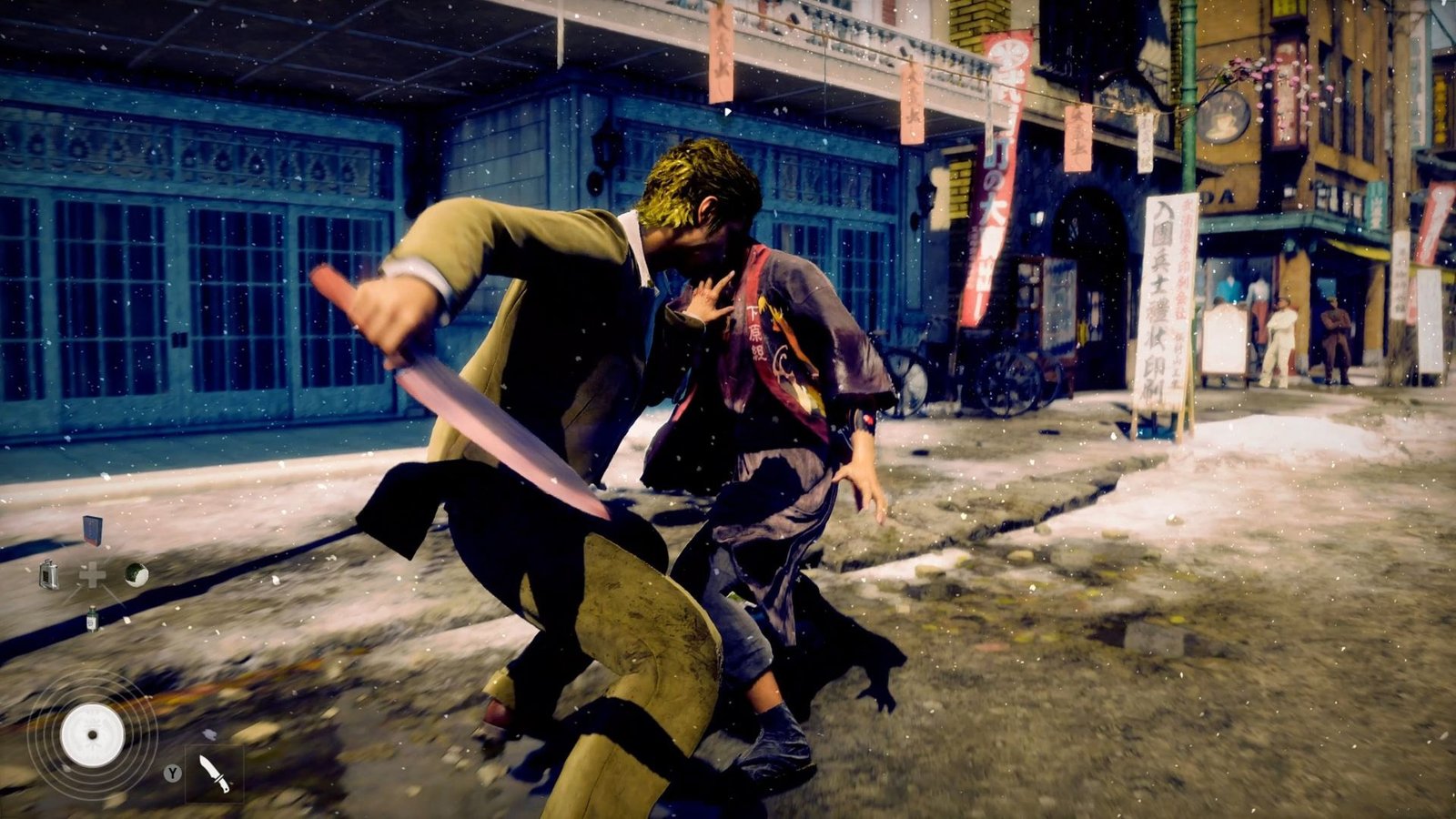
RGG is also introducing a new combat system that treats the left and right sides of Makoto’s body independently in Stranger Than Heaven. Inputs are split between shoulder buttons and triggers, allowing players to control the right arm and leg separately from the left. The showcase demonstrates why that matters: if an enemy grabs one arm, Makoto can still strike with the other, block with one side while countering with the other, or tackle with both triggers.
The system also includes charge attacks, context-sensitive finishing moves, and cinematic close-quarters sequences, including a brawl inside a fast-moving car. Weapons are not just set dressing either. The roster ranges from knives and hammers to katanas and era-specific inventions, with upgrade paths, special attacks, and passive abilities. It reads like RGG trying to modernise its brawler identity through mechanical specificity rather than simply raising animation fidelity.
Stranger Than Heaven arrives this winter for Xbox Series X|S as an Xbox Play Anywhere title, and will be available day one with Xbox Game Pass. It is also confirmed for PlayStation 5 and PC.
