

Table of Contents
World Of Tanks: HEAT Launch Brings A Faster Spin To Wargaming’s Armoured Warfare
World of Tanks: HEAT has officially launched, giving Wargaming a new standalone free-to-play entry built around faster, more explosive tank battles.
The game is available on PC through Wargaming Game Center and Steam, alongside Steam Deck, PlayStation 5, Xbox Series X|S, and NVIDIA GeForce NOW. It also supports full cross-platform play and progression, making it one of Wargaming’s more ambitious launches from a platform standpoint.
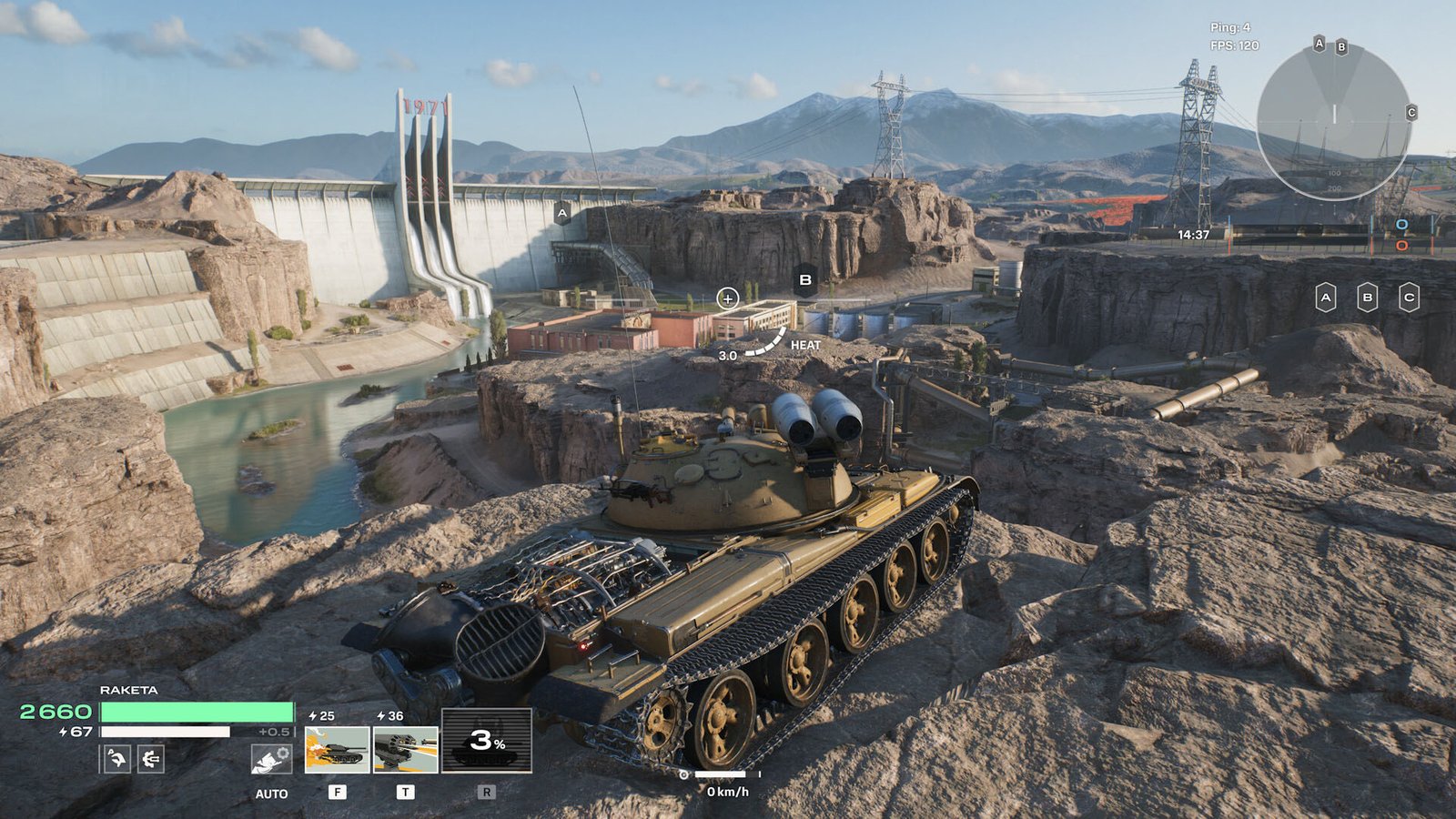
Rather than acting as a direct replacement for World of Tanks, the spin-off sits beside it as a different kind of battlefield. The new game takes the series’ armoured combat foundation and pushes it closer to a hero-shooter structure, with specialised Agents, defined roles, and vehicles tailored to different playstyles.
Agents, Roles, And 10v10 Battles Drive The New Format
At launch, World of Tanks: HEAT includes eight Agents spread across three battlefield roles: Defender, Assault, and Marksman. Each Agent commands a two-vehicle roster, giving players a clearer identity in battle than simply choosing a tank class.
That shift is central to the game’s identity. World of Tanks has traditionally leaned on positioning, armour knowledge, map control, and calculated engagements. World of Tanks: HEAT keeps some of that tactical DNA, but wraps it in a faster format where abilities and aggressive team fights play a much larger role.
The launch version includes 15 vehicles, eight maps, and four PvP modes: Hardpoint, Control, Kill Confirmed, and Conquest. The structure should feel familiar to shooter players, but the use of tanks gives each mode a different rhythm from standard infantry-based multiplayer.
Cross-Platform Play Gives HEAT A Wider Starting Point
The cross-platform setup is one of the most important parts of the launch. By supporting PC, Steam Deck, PlayStation 5, Xbox Series X|S, and GeForce NOW, Wargaming is clearly trying to give World of Tanks: HEAT a larger shared player base from day one.
A wider platform pool can help matchmaking, preserve mode activity, and make it easier for friends to play together across different devices. Cross progression also makes it less painful for players who move between PC and console.
The game is also built on a new proprietary engine from Wargaming, designed to support modern visuals, responsive controls, and smoother performance across a wider range of hardware.
A Launch That Still Needs To Win Players Over
World of Tanks: HEAT arrives with a clear hook, but it also faces a difficult audience. Longtime World of Tanks players may need convincing that hero-driven combat fits the franchise, while new players will judge it against a crowded free-to-play multiplayer market.
Early user response on Steam has been mixed, suggesting Wargaming still has work to do on balance, progression, performance, and player onboarding. That is not unusual for a new live multiplayer title, but it does make the first few updates especially important.
For now, World of Tanks: HEAT gives Wargaming a bold new direction. It keeps the tanks, but changes the tempo. Whether that faster, Agent-led format becomes a lasting part of the franchise will depend on how quickly the game can build trust with both veterans and curious newcomers.
