

Table of Contents
REPLACED on PC
There are games that make a strong first impression, and then there are games like REPLACED, which seem almost obsessed with making every frame count. Thunderful and Sad Cat Studios’ long-awaited action platformer drops players into an alternate 1980s America and follows R.E.A.C.H., an artificial intelligence forced into a human body, as it moves through the decaying sprawl of Phoenix City.
That premise is an immediately strong fit for cyberpunk, but what separates REPLACED from the crowd is how thoroughly it commits to mood, texture, and visual identity from the very first moments. This is a game that understands the power of atmosphere. Phoenix City is not simply a cool backdrop for action. It feels diseased, exhausted, and strangely seductive all at once.
Neon pours across puddles and concrete. Smoke hangs in the air. Rusted machinery, crowded interiors, flickering signage, and dim industrial corridors all come together to create a world that feels grimy without ever losing its beauty. The pixel art is remarkable, but what really makes it land is the confidence behind it. REPLACED does not just want to look good. It wants to feel cinematic.
That cinematic quality carries through almost everything. Character animation is especially striking, with movement that feels carefully weighted rather than exaggerated. Every punch, stumble, climb, and idle motion appears tuned to preserve the illusion that this world exists beyond the player’s immediate input. It gives the game a kind of physicality that many side-scrolling action titles never quite achieve. Even before the systems reveal their limits, REPLACED earns your attention simply by the way it presents itself.
The strongest compliment that can be paid to the art direction is that it never feels like empty decoration. The world’s look reinforces the tone at every turn. This is a place of corporate rot, social collapse, and uneasy survival, and the visual design sells that better than any exposition dump ever could. In many ways, the game’s greatest success is that it makes you want to keep moving just to see what the next screen looks like.
That creates a lot of goodwill. It also creates very high expectations. When a game looks this assured, players naturally expect the mechanics beneath it to evolve with the same confidence. REPLACED gets some of the way there, but not all the way.
When Art Style Becomes a Hook
The deeper you get into REPLACED, the more obvious it becomes that the art style is not just one strength among many. It is the central hook. That is not necessarily a criticism, because few games this year will be as visually distinct or as immediately recognisable. There is a real sense of authorship here. Sad Cat Studios clearly knew the mood it wanted to create and built every element around it.
Lighting does so much of the heavy lifting. Bright colours are never used carelessly. They cut through darkness, isolate key spaces, and give the city its bruised, electric personality. Backgrounds are full of detail, but rarely feel cluttered. Foregrounds carry just enough weight to create a layered 2.5D effect without muddying the view. The result is a game that feels painterly in motion, almost like a playable concept reel brought fully to life.
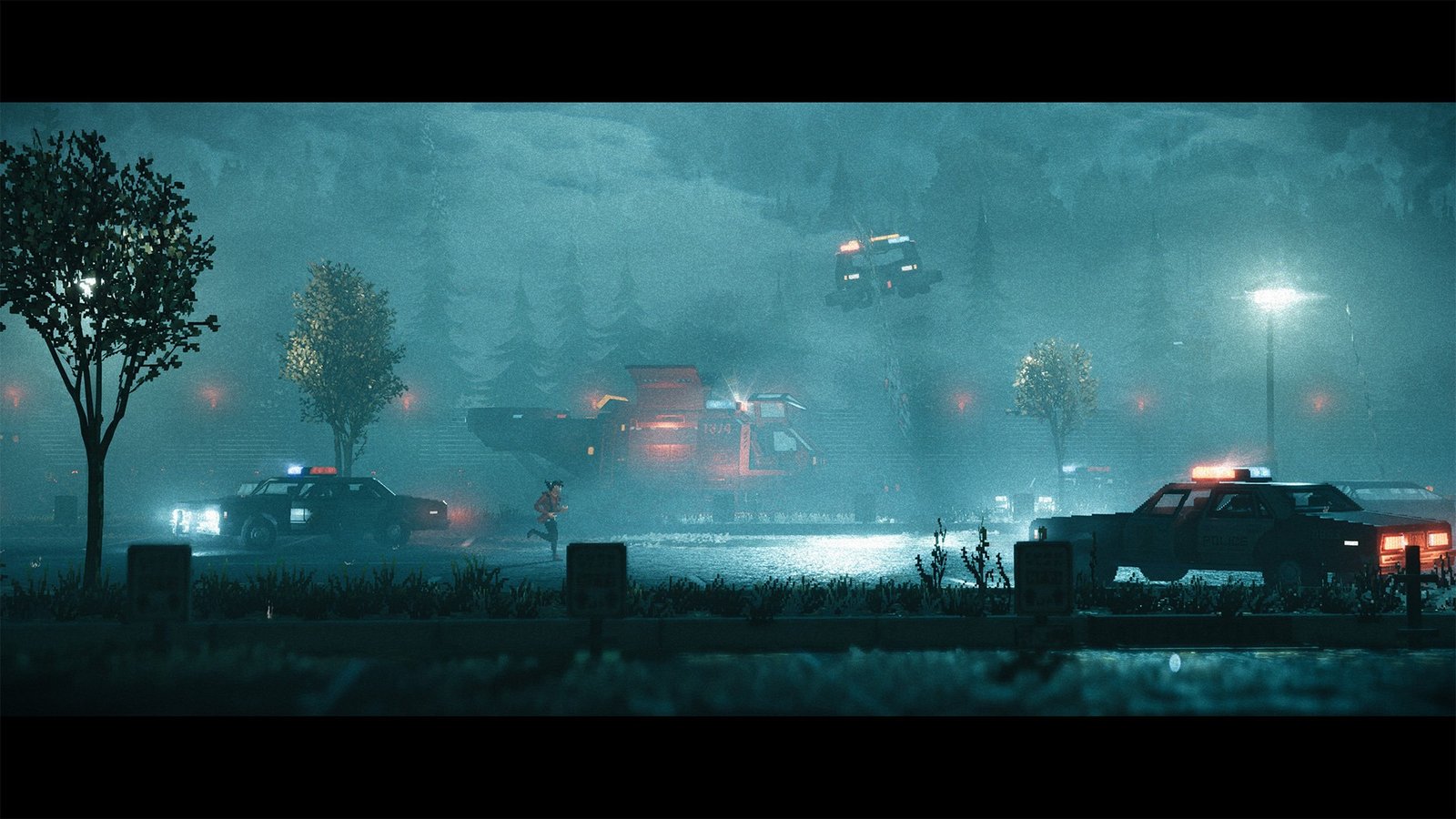
Camera framing also deserves credit. REPLACED often knows exactly when to pull back and let the environment speak, and when to tighten in on a corridor, a confrontation, or a tense piece of traversal. That makes even quieter stretches feel deliberate. The game is very good at selling stillness, which is not something every action-focused title can manage. There are moments where simply walking through the world feels compelling because the composition is doing so much subtle storytelling.
The soundtrack and sound design help seal the effect. Synth-heavy audio, environmental hum, distant machinery, and the sharp punctuation of combat all feed into that sense of a place suspended between beauty and collapse. The aesthetic consistency is impressive. Nothing feels accidental. Nothing feels out of tune with the game’s broader identity.
The problem is that such a strong presentation begins to carry more and more of the experience over time. In the opening hours, that feels exhilarating. Later on, it starts to expose a gap between style and substance. You keep wanting the gameplay to reveal a similar level of invention, a similar sense of escalation, a similar willingness to surprise. Too often, REPLACED settles for being striking instead of transformative.
That does not make the visual emphasis a weakness. Far from it. The art style is the reason the game remains memorable even when its systems flatten out. But it does mean the game’s best quality also draws attention to what the rest of the experience is not quite doing.
Combat And Movement Start Strong But Thin Out
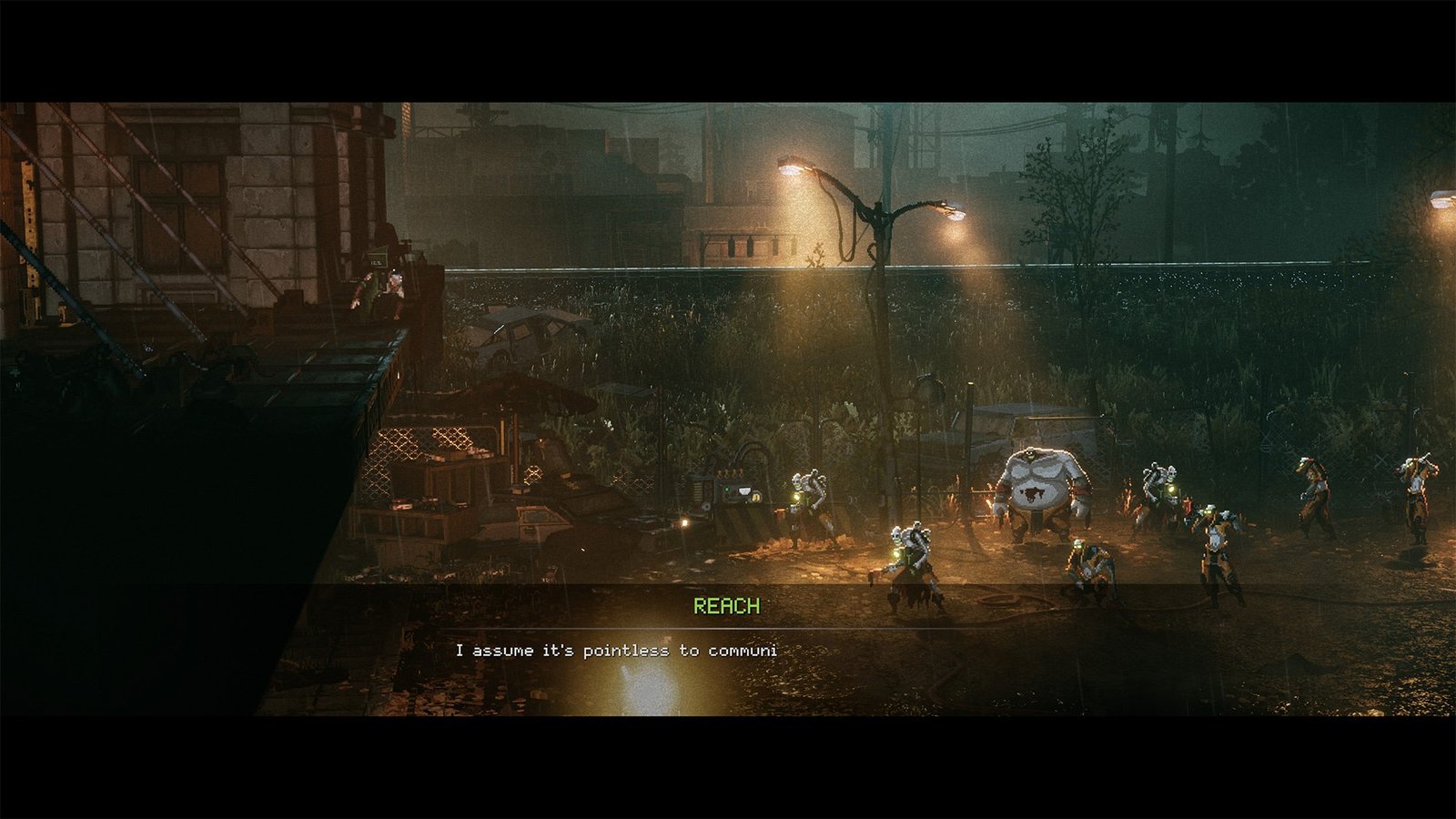
To REPLACED‘s credit, the gameplay is not merely there to support the visuals. Combat and movement both feel good enough at the start to suggest a genuinely strong action platformer is taking shape. There is weight to the way R.E.A.C.H. moves and fights, which fits the fiction well. This is not a feather-light hero bouncing unrealistically through every encounter.
Attacks have force, movement has intention, and the game often encourages a measured kind of aggression rather than chaos. Official material around the combat also emphasises weight, cinematic rhythm, and precise action. Early fights can be quite satisfying because of that. Melee hits land with enough impact to feel convincing, and ranged options add some welcome variation to the tempo.
There is a nice sense of flow when encounters click, especially when movement, positioning, and timing come together as REPLACED clearly wants. Traversal benefits from that same discipline. Climbing and movement look smooth, and the visual animation does a lot to make simple actions feel stylish.
The trouble is that the mechanics do not deepen enough. Once the initial pleasure of the combat settles in, repetition starts to creep forward. Encounters begin to feel too familiar, with too many situations leaning on the same basic rhythm of reading an opening, committing to a strike, and cycling through variations of a similar response. There is satisfaction in that loop, but not quite enough expansion.
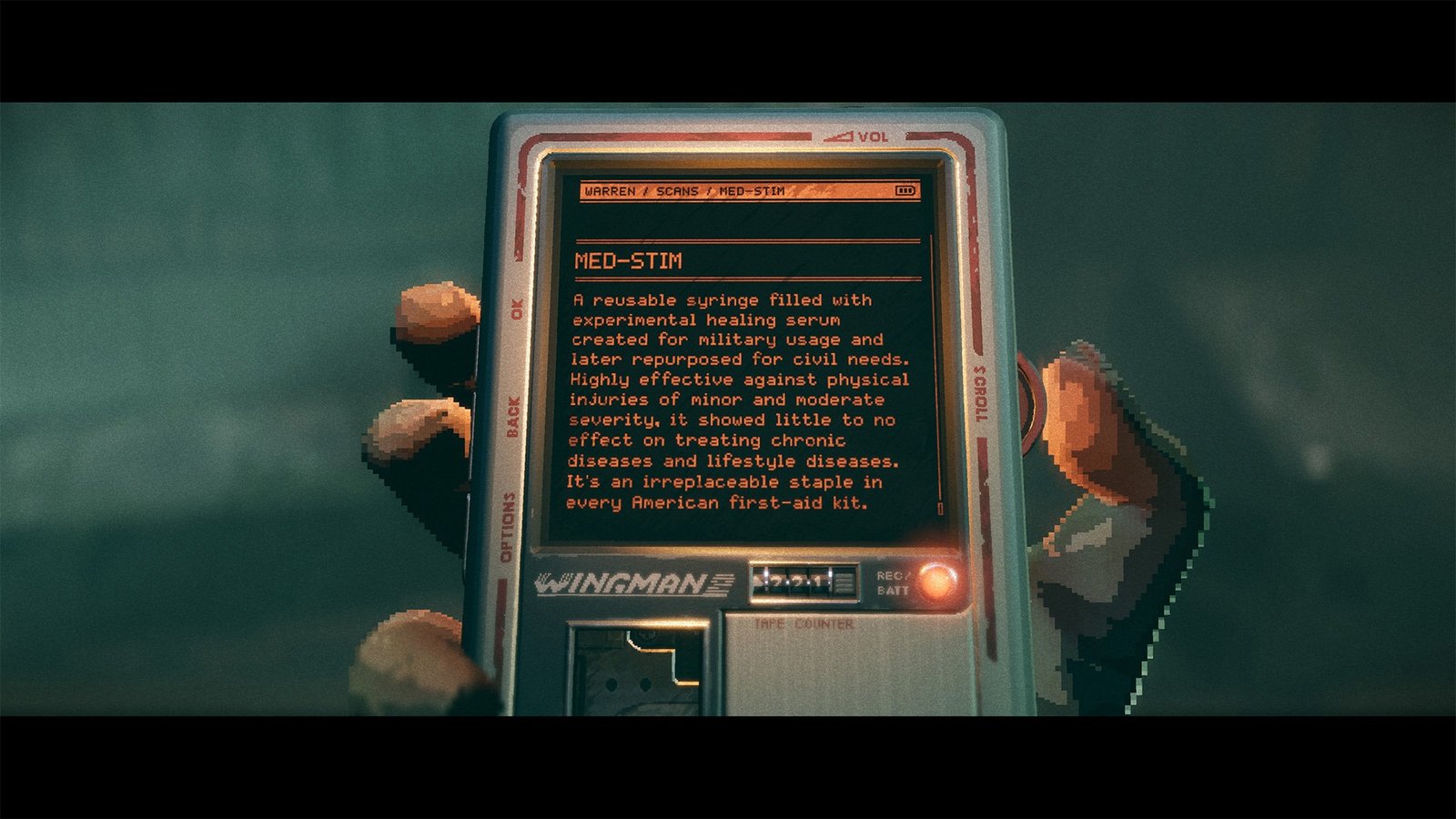
Enemy variety contributes to that problem. So does the broader structure of the action. REPLACED is polished in how it moves from one sequence to the next, but not always especially daring in what those sequences demand from the player. Some platforming stretches feel more like connective tissue than standout set pieces, and some combat scenarios rely heavily on presentation to maintain excitement once the core loop becomes familiar.
There are also moments where readability and rhythm feel a little off. That does not ruin the game, but it does chip away at momentum. When you combine that with repetition, the result is a play experience that stays competent and often enjoyable, but only intermittently reaches the same level as the art direction surrounding it.
That is the central tension in REPLACED. It is never poor to play, and at times it is genuinely sharp. It just does not evolve enough to feel as special in the hands as it does on the screen.
A Beautiful Experience Held Back By Its Own Limits
What ultimately makes REPLACED worth playing is that its shortcomings never erase its appeal. They simply define its ceiling. This is a game full of talent, conviction, and visual intelligence. It knows exactly how it wants its world to feel, and for long stretches, that is enough to keep the experience engaging even when the mechanics stop surprising you.
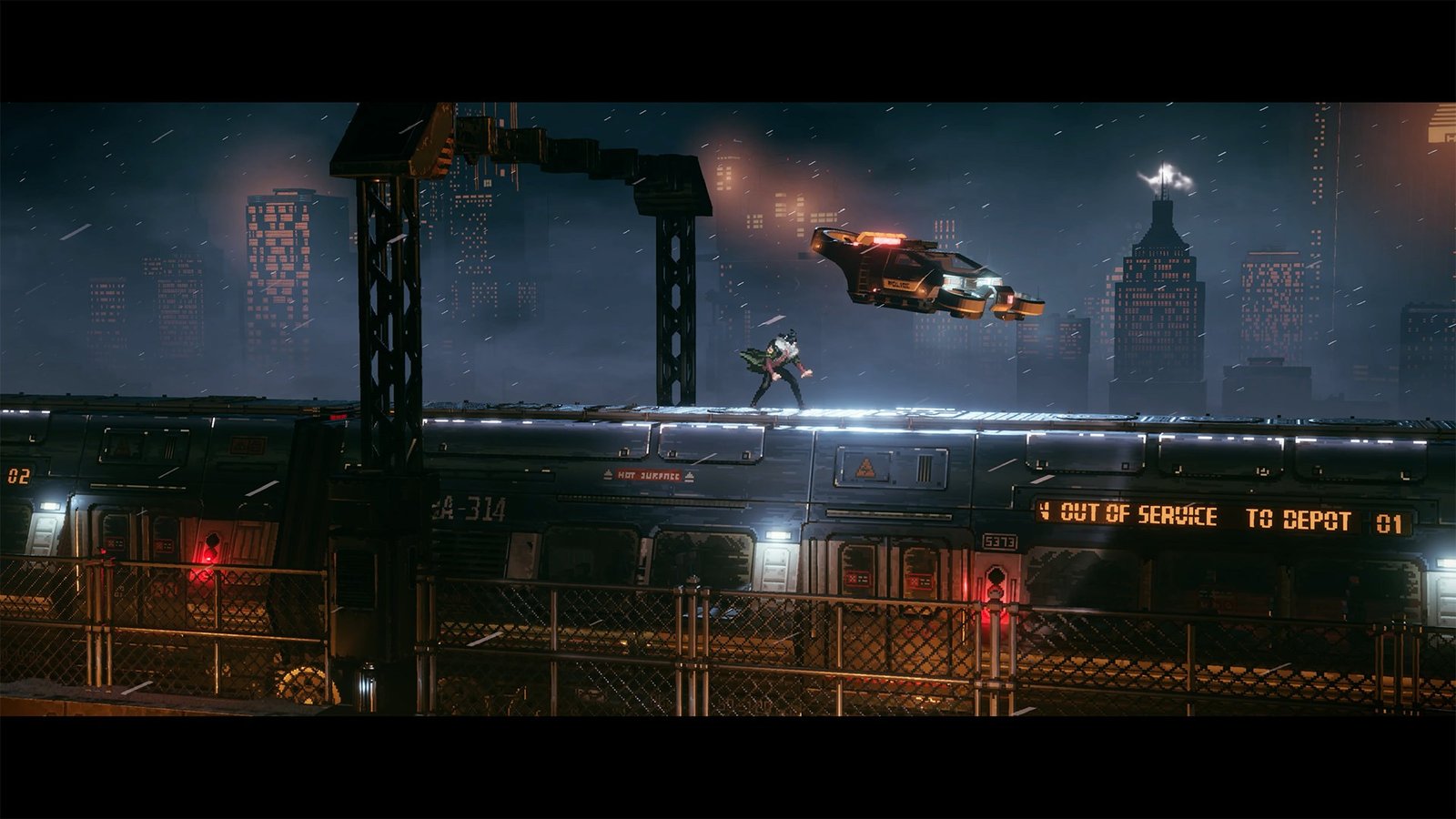
There is also something to be said for how effectively the world sells its themes. Identity, control, humanity, and survival are familiar ideas in cyberpunk fiction, but REPLACED presents them with enough sincerity and atmosphere that they remain interesting. The game’s narrative does not always cut as deeply as its setup suggests, yet it still benefits from the strength of its setting.
You believe in Phoenix City. You believe in the grime, the exhaustion, the violence, and the uneasy beauty of it all. That belief carries the story a long way. At the same time, the narrative sometimes shares the same issue as the gameplay. It is intriguing without always becoming piercing. There are stretches where the game seems content to maintain mood rather than sharpen drama. That keeps the tone consistent, but it can also make pacing feel a little subdued in places where more urgency or deeper character payoff would have helped.
Still, REPLACED remains easy to respect because so much of it is crafted with care. The animation work is exceptional. The city feels authored rather than assembled. The soundtrack and audiovisual design give the whole experience a coherence that many larger games struggle to achieve. Even as the systems beneath it start to show their limits, the game never loses its identity, and that matters.
For what it’s worth, REPLACED is not a masterpiece hiding in plain sight, nor is it a case of style over absolutely nothing. It is a good game elevated by extraordinary presentation, a cyberpunk thriller whose best qualities are strong enough to keep it memorable even as its flaws become harder to ignore.
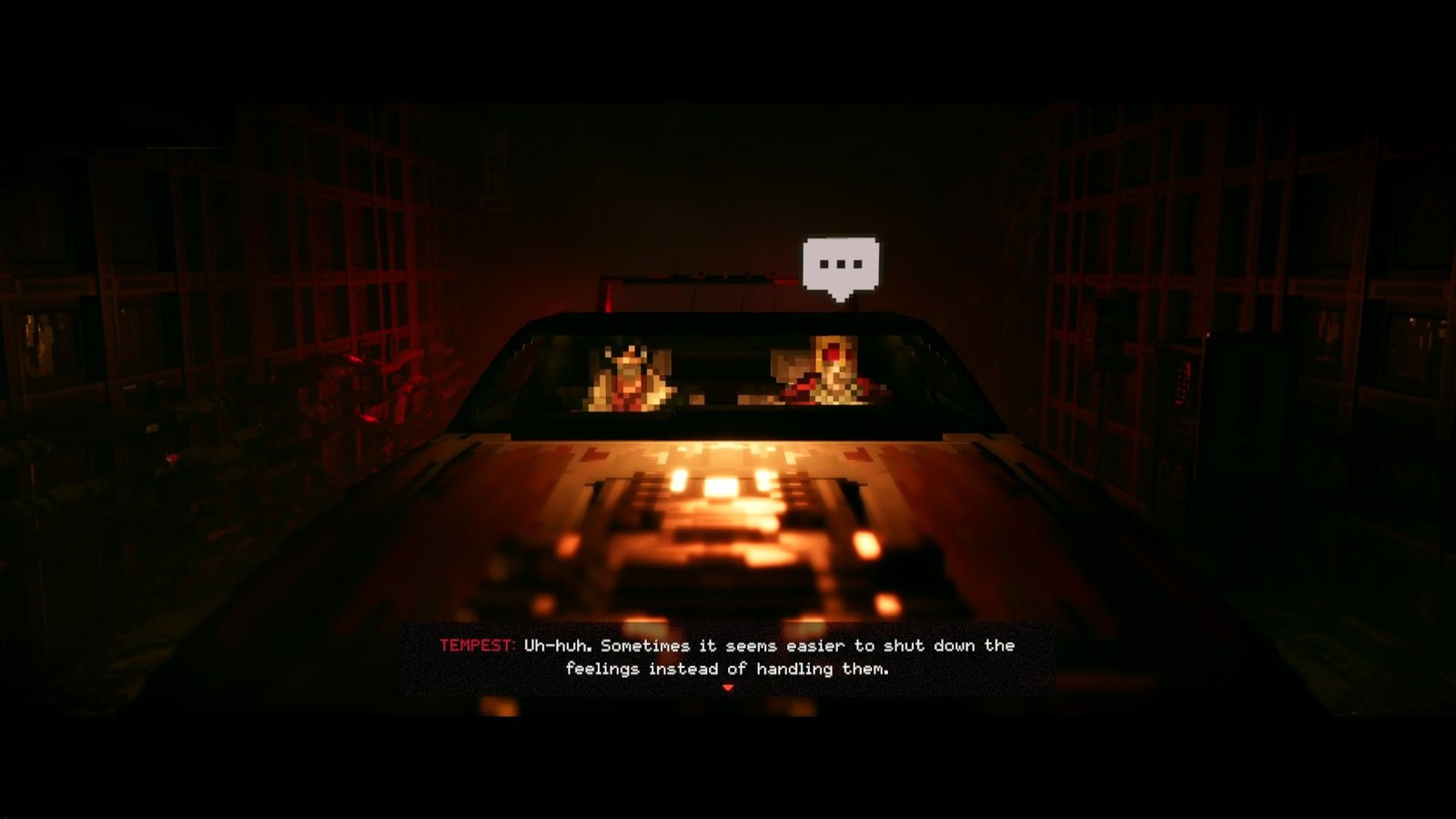
The art style is superb. The gameplay is solid, sometimes exciting, but not as deep or surprising as it needs to be. And the issues, whether repetition, pacing, or rougher edges in execution, are significant enough to stop it from fully becoming what it looks like it should be. Even so, there is a lot to admire here. REPLACED may not completely live up to the image it creates for itself, but very few games create an image this strong in the first place, and that alone makes the journey to Phoenix City worth the effort.
REPLACED is now available on PC and Xbox Series X|S.
SavePoint Score
Summary
REPLACED is one of the most visually arresting games in recent memory, with pixel art and animation that constantly demand attention. Its combat and traversal can feel slick and satisfying in bursts, but repetition, lighter mechanical depth, and uneven pacing stop it from fully becoming as special to play as it is to behold.
