

Table of Contents
Blizzard Entertainment President Johanna Faries opened BlizzCon 2026 by talking about community, creativity and the universes that continue to connect the company’s players. What followed was perhaps an even clearer statement about where Blizzard sees itself going next.
There was Diablo V, set in a Sanctuary where the Lord of Terror has already won. StarCraft finally returned, only this time as a story-driven open-world shooter rather than another real-time strategy game. Then came World of Warcraft: Forever, an entirely new way of revisiting Azeroth’s earliest era without simply recreating WoW Classic again.
Those would have been enough to make an Opening Ceremony feel substantial; instead, Blizzard kept going. Warcraft III received its first new storyline in more than 23 years. Heroes of the Storm somehow has a new Hero coming. Diablo IV is bringing the Amazon back. Hearthstone is getting its first new class in six years. Even beyond games, Netflix is developing an animated Diablo series.
Blizzard described all of this as the beginning of its “next chapter”, but BlizzCon 2026 suggested that chapter will not be written by abandoning what came before, quite the opposite.
BlizzCon 2026 Announcements Show Blizzard Reopening Its Biggest Worlds
Nostalgia runs through Blizzard’s current plans, but calling BlizzCon 2026 a nostalgia exercise would undersell what the company actually announced. The more interesting pattern is how aggressively Blizzard is returning to familiar worlds while changing what players can do inside them.
Diablo V Starts After the Heroes Have Already Lost
The biggest announcement of BlizzCon 2026 may also be the furthest away. Diablo V is targeting spring 2029, but its premise immediately separates it from previous entries. Sanctuary has fallen, and Diablo has won.
Rather than once again placing players in the middle of an escalating demonic threat, Blizzard is starting from defeat and asking what someone becomes when the world is already lost. There are obviously years of questions between that premise and a finished game, but it is at least a strong statement of intent.
For a series that has spent decades resurrecting demons only so players can put them back in the ground, starting after evil has successfully won creates a different kind of canvas. It also arrives as Blizzard continues expanding Diablo IV rather than immediately leaving it behind. Season of Hell’s Legacy begins September 15, bringing Diablo, Baal and Mephisto back alongside Deckard Cain and rewards inspired by 30 years of the franchise.
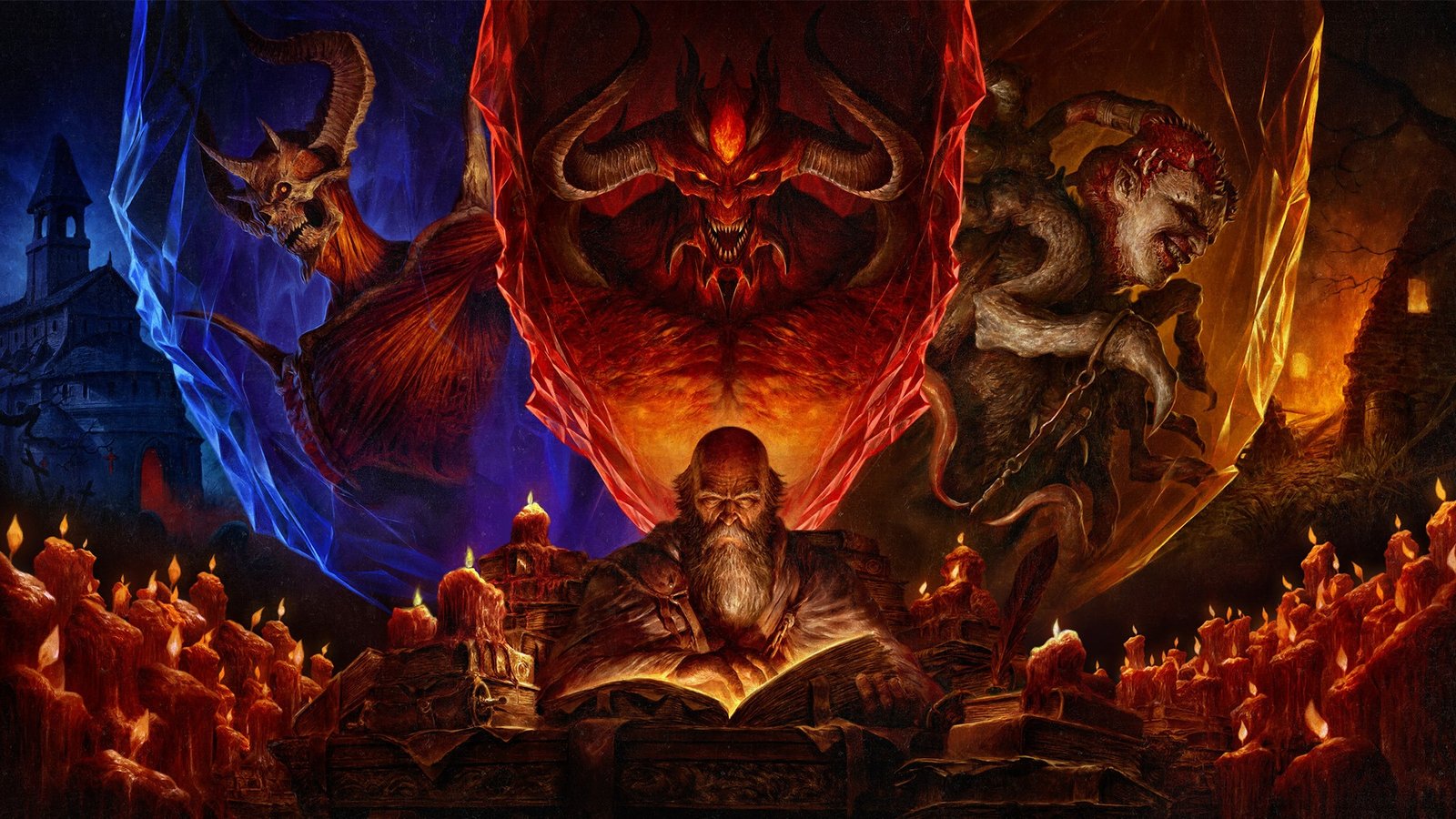
The Amazon follows in the first half of 2027 as Diablo IV‘s first standalone class pack, complete with bows and the returning javelin weapon type. Meanwhile, Diablo IV: Age of Hatred Collection reaches Nintendo Switch 2 on September 15 with cross-play and cross-progression. Blizzard is effectively running several generations of Diablo simultaneously, then placing Diablo V at the end of that road.
StarCraft Is Finally Back, Just Not as an RTS
If Diablo V was inevitable eventually, the return of StarCraft carries a different weight. Blizzard has confirmed a new game simply titled StarCraft for spring 2030, described as a story-driven, open-world shooter. For anyone waiting for StarCraft III, that genre shift may take some adjusting.
Yet after years of the franchise largely existing through StarCraft II and its competitive legacy, getting an entirely new game is significant regardless of form. The shooter format also captures the tension running through Blizzard’s BlizzCon announcements. This is one of the company’s oldest and most recognisable universes being asked to support something very different.
Whether that eventually feels like a natural extension of the Koprulu Sector or another abandoned attempt to move StarCraft beyond strategy will not be clear for years. For now, its existence matters, as it seems Blizzard is willing to make a major new StarCraft again, and that alone is something fans have been waiting a long time to hear.
World of Warcraft: Forever Is More Than Another Classic Server
Then there is World of Warcraft: Forever, perhaps the strangest BlizzCon 2026 announcement because it sounds so familiar at first. Blizzard already operates modern World of Warcraft alongside several flavours of Classic, yet Forever is being positioned as a third major WoW experience rather than another historical snapshot.
It returns to the Vanilla era but starts creating around it. Three new zones, more than 1,000 quests, nine dungeons, two raids and the Skyborne race will expand a version of Azeroth players thought they already knew, and that makes Forever particularly interesting.
Classic has traditionally focused on preservation, giving players opportunities to revisit World of Warcraft as it existed at specific points in time. Forever instead asks what could have existed alongside that original world.It launches on November 4, with its beta beginning September 17.
At the same time, modern World of Warcraft continues moving through The Worldsoul Saga. Update 12.2, Eclipse, advances Xal’atath’s plans during Midnight, while The Last Titan remains positioned as the culmination of more than two decades of storytelling before establishing whatever comes next.
Blizzard therefore has one version of Warcraft heading towards a major conclusion while another goes back to the beginning and starts adding roads that were never there before, announced at BlizzCon 2026. That feels appropriately strange for a game turning its own history into another development platform.
Blizzard’s Older Games Are Suddenly Moving Again
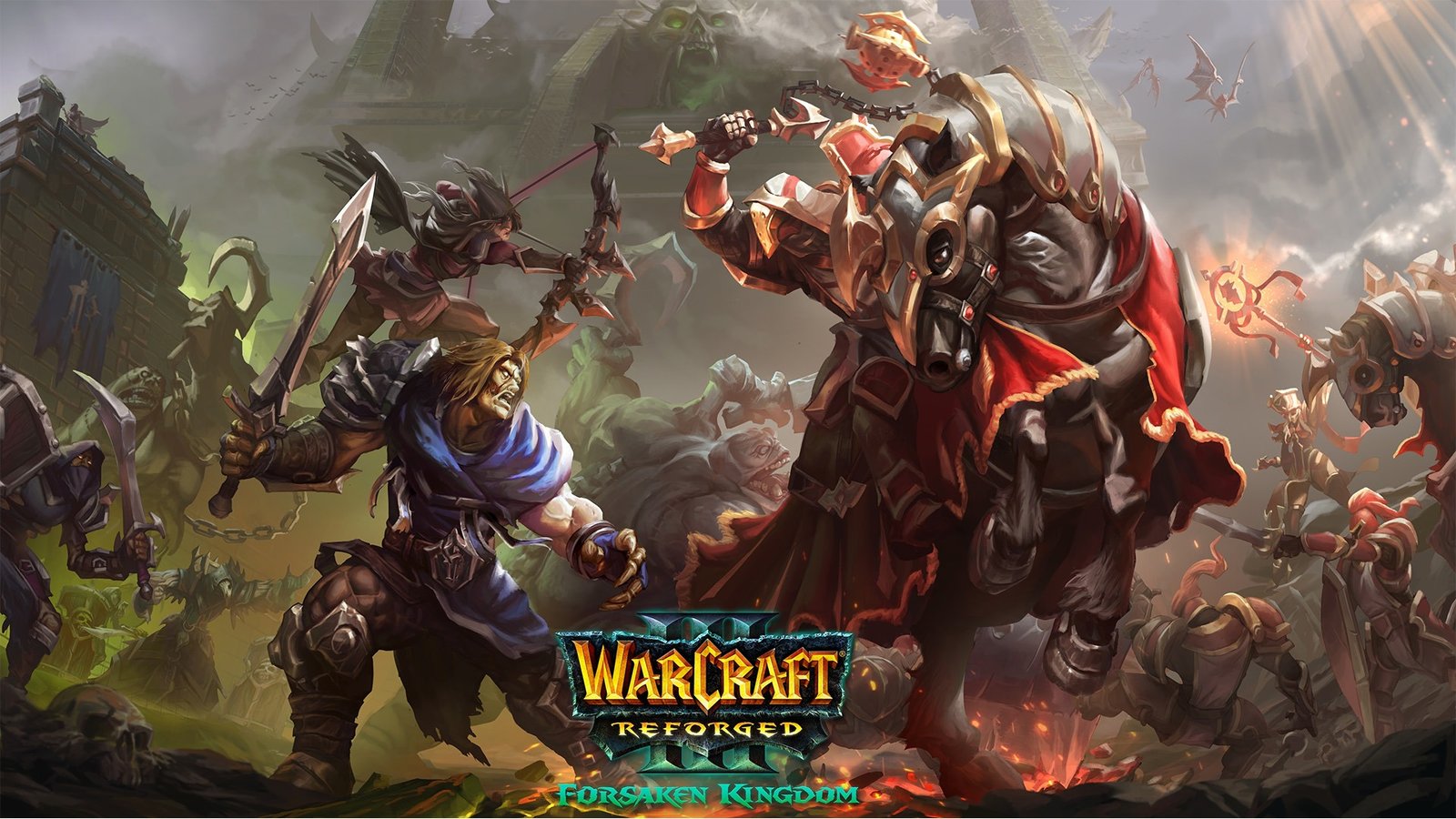
The surprises were not limited to Blizzard’s obvious flagship franchises. Warcraft III: Reforged now has Forsaken Kingdom, its first new storyline in more than 23 years. Available immediately alongside update 3.0, the campaign explores the fall of Lordaeron and its eventual transformation into the Undercity. The wider update also includes another graphics overhaul and a revamped World Editor.
Considering the difficult history surrounding Reforged, giving it entirely new campaign content feels more meaningful than simply another technical patch. It suggests Blizzard sees value in doing more than keeping the game operational.
Then there is Heroes of the Storm. Xal’atath joins the Nexus on September 28, following a PTR debut on September 14. Blizzard even teased that more could be coming. For a game that entered maintenance mode years ago, a genuinely new Hero is the sort of BlizzCon announcement that would have sounded almost implausible not long ago. It may not constitute a full revival yet. But Blizzard clearly knows what simply putting Heroes of the Storm back onstage means to the players who never stopped showing up.
Overwatch and Hearthstone Are Still Looking Forward Too
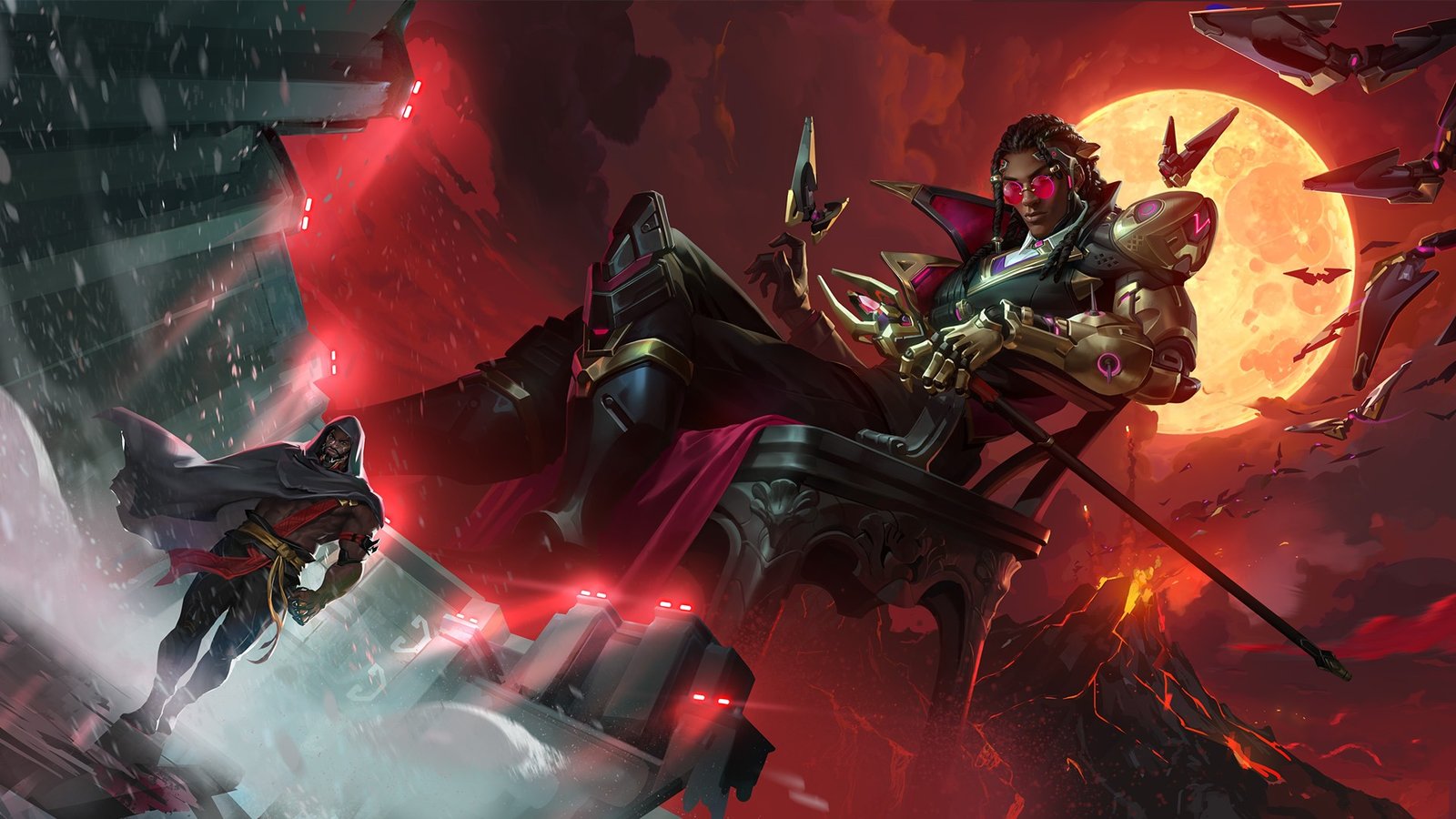
Not everything announced at BlizzCon involved resurrecting something. Overwatch Season 5 introduces Doctrine, a vampire-inspired Support Hero who drains life and deploys bat-like drones.
Sombra and Roadhog are also receiving major reworks, while Watchpoint: Grimsvötn joins the map rotation and The Reign of Talon reaches the conclusion of the first year-long narrative arc in Overwatch history. Another Overwatch Spotlight is scheduled for February 2027, suggesting Blizzard is settling into a clearer rhythm for outlining the game’s year ahead.
Hearthstone has its own substantial additions at BlizzCon 2026. Reign of the Black Empire arrives on October 20, taking players back to an Azeroth dominated by the Old Gods and introducing Assemble, a keyword that combines two cards into something stronger. Battlegrounds adds Aberrations as a new minion type on September 22. The bigger long-term addition, however, is the Monk.
Arriving in March 2027, it will be Hearthstone‘s first new playable class in six years and another example of Blizzard pulling something deeply familiar from Warcraft into a game that has spent more than a decade interpreting that universe in increasingly strange ways.
Blizzard Is Expanding Beyond Games Again
BlizzCon also gave a glimpse at what Blizzard wants its properties to become outside the games themselves. Netflix is developing an animated series set in the Diablo universe. There are no meaningful story or release details yet, but Blizzard described the project as only the beginning of a wider push to tell stories across other screens.
That line may eventually prove more important than the individual announcement. Blizzard owns some of gaming’s most recognisable fantasy and science-fiction universes, but outside adaptations have never become as central to its strategy as they have for companies behind Fallout, Cyberpunk, The Last of Us or League of Legends. A successful Diablo series could begin changing that.
BlizzCon 2026 Feels Like Blizzard Remembering What It Has
The easy takeaway from BlizzCon 2026 is that Blizzard announced a lot. Diablo V is coming, StarCraft is back, and World of Warcraft: Forever is creating new adventures inside old Azeroth. That alone would make this a significant showcase, but the smaller announcements make Blizzard’s direction much clearer.
The Amazon is coming back. Warcraft III has a new campaign. Heroes of the Storm has a new Hero. Hearthstone is reaching deeper into Warcraft for the Monk. Diablo is heading to Netflix. Very little of this represents Blizzard walking away from what players already associate with the studio. Instead, it appears increasingly comfortable digging through decades of worlds, characters and unfinished possibilities, then asking which ones are worth moving forward again. That carries an obvious risk.
Familiar names cannot do all the work forever, and a StarCraft shooter still has to justify why it should be a shooter. World of Warcraft: Forever needs to become more than nostalgia with additional quests. Diablo V eventually has to make the fall of Sanctuary matter beyond a striking premise. But BlizzCon 2026 at least showed a company with considerably more of its history in motion.
For years, parts of Blizzard’s catalogue could feel frozen while World of Warcraft, Diablo, Overwatch and Hearthstone carried most of the weight. That no longer looks quite as true, as Blizzard’s next chapter may ultimately be built from the worlds that made it in the first place. For a studio sitting on more than 30 years of them, there are worse places to start.
