

Table of Contents
Faithfulness Is Both Heroes of Might and Magic III Remake’s Strength and Biggest Question
The surprise Gamescom announcement of Heroes of Might and Magic III Remake arrived at an interesting time for the long-running strategy series. With Heroes of Might and Magic: Olden Era already bringing the name back into the spotlight on PC, the wider Might & Magic brand suddenly looks much busier than it has in years.
This remake takes a very different approach. Rather than building on the 1999 classic, Ubisoft Chengdu and Ubisoft Shanghai are returning directly to Heroes of Might and Magic III, rebuilding its presentation while deliberately leaving much of what happens underneath untouched.
At Gamescom 2026, I played the remake and spoke with creative director Jean-Felix Monin about why Ubisoft chose Heroes III, how far the team is willing to change it, and whether the community could eventually push this remarkably faithful recreation into less familiar territory.
Based on my experience of the Heroes of Might and Magic III Remake, this is a substantial remake built around an unusually restrained philosophy: modernise everything that gets between the player and Heroes III, but leave the strategic rules alone.
After a short tutorial starring Queen Catherine, a familiar name for returning players, the demo opened into regular skirmishes against AI opponents. It was a generous setup for a preview, giving attendees enough freedom to experiment with towns, heroes, armies and the wider strategic loop rather than being funnelled through a carefully controlled slice. More importantly, the build already felt sturdy.
Ubisoft Kept the Remake Secret Even Internally
“We started in early 2023,” Monin told me. “The game has been developed in Ubisoft China, mostly in Chengdu and Shanghai. We were kept a secret even within Ubisoft for quite a long time.”
That secrecy goes some way towards explaining why Heroes of Might and Magic III Remake arrived as such a surprise at Gamescom. The timing also means development has taken place alongside Olden Era, although the two projects have largely followed separate paths.
When I asked whether the teams had communicated, Monin explained that he personally hadn’t been in direct contact with Unfrozen, but Ubisoft’s brand team handled some coordination.
“Overall, I would say that we were on our own parallel ways,” he said. That separation makes sense once you play them. Olden Era wants to move the formula forward. Heroes of Might and Magic III Remake is far more concerned with making one particular game easier to return to.
Modern Conveniences Surround an Unchanged Strategy Game
Apparently, there was little debate over which Heroes deserved that treatment. Monin described Heroes of Might and Magic III as both the most popular and widely considered the best entry, making it the obvious starting point.
“One and two, although they have their own qualities, to some extent they’re leading up to the level of three,” he explained. Success here could even leave the door open to revisiting those earlier games, although Monin stopped well short of promising anything beyond Heroes of Might and Magic III Remake.
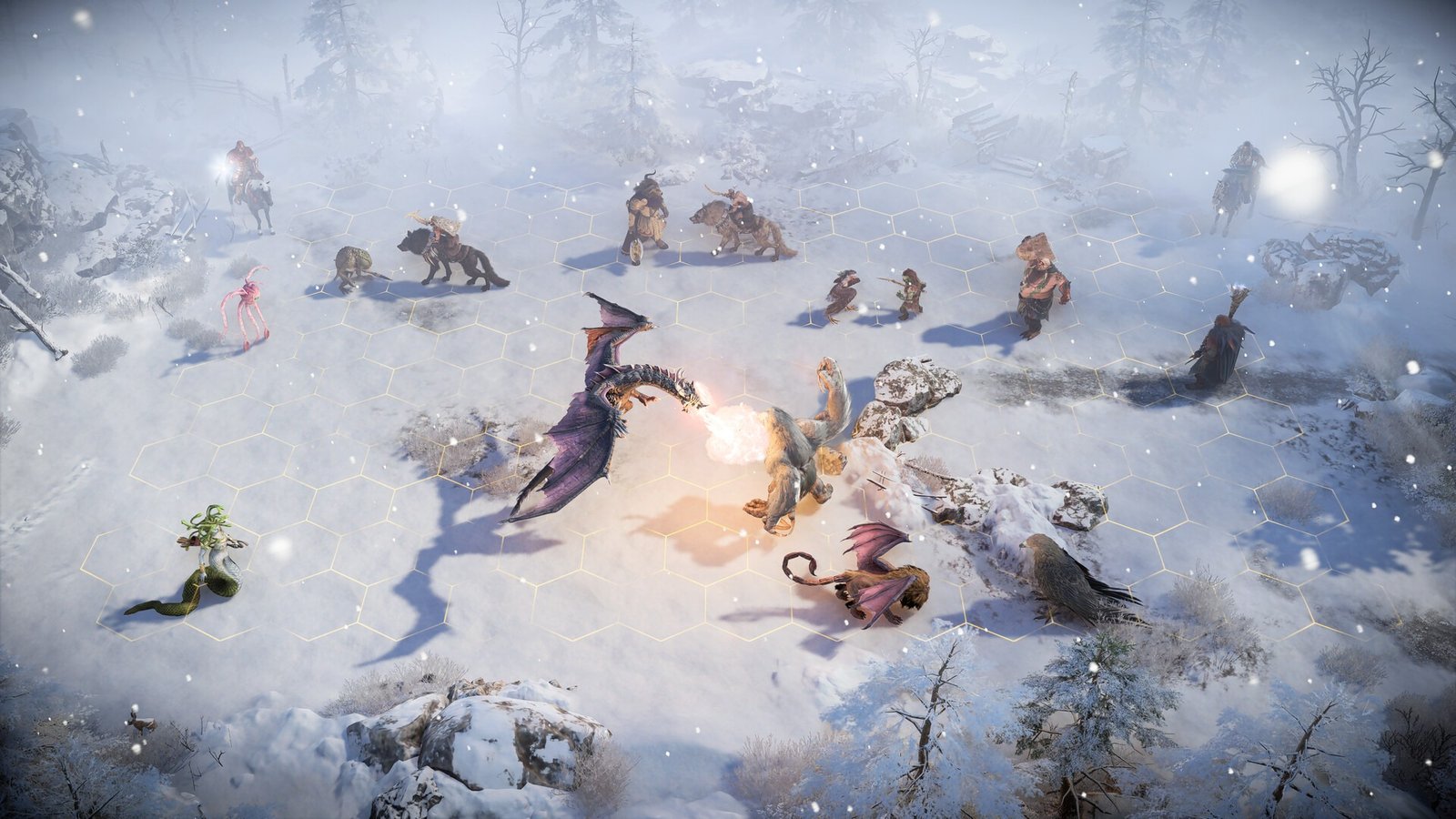
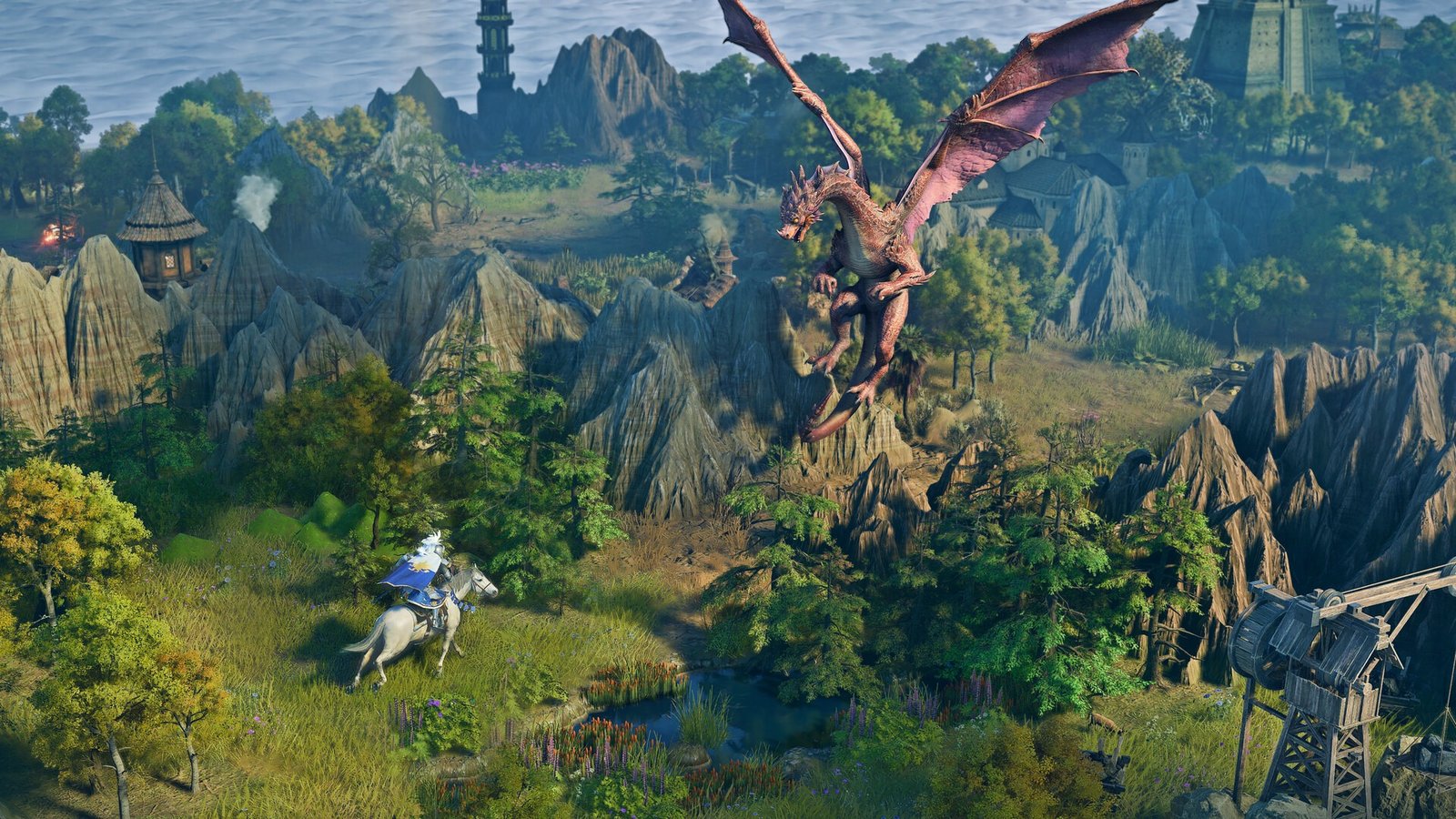
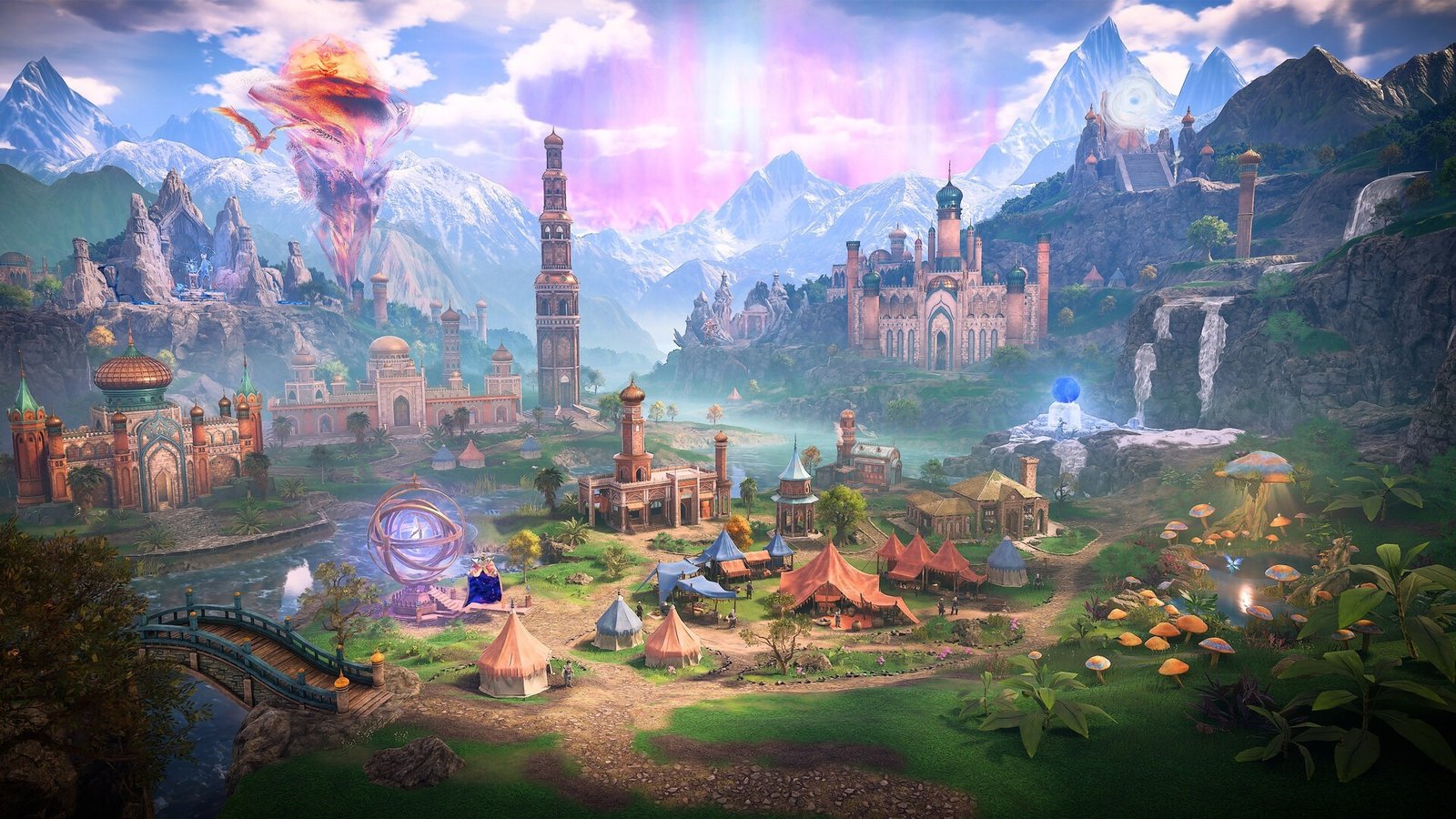
For now, the more interesting question is what Ubisoft is actually willing to change in Heroes III itself. Visually, quite a lot. Ubisoft has rebuilt the game in Snowdrop as a full 3D experience with free camera control, while also updating its audio, campaign presentation and multiplayer infrastructure. The original campaigns and both expansions are included, alongside new material linking the campaigns together.
Mechanically, Ubisoft is being much more cautious with the Heroes of Might and Magic III Remake. The wishlist system lets players queue units and buildings in individual towns, reducing repetitive micromanagement that can slow later turns. Certain patrol and defensive duties can also be automated, making it easier to protect territory while your main heroes are elsewhere.
During my session, those conveniences made the underlying loop noticeably quicker without making Heroes III feel fundamentally different. That is exactly the intention.
“We kept the gameplay exactly as it is, so that means all the balancing, unit stats, and everything is exactly the same as in the Complete version,” Monin explained. “We didn’t touch any of that. What we’ve done is to try to help the player have a much smoother experience.”
That distinction is crucial in Heroes of Might and Magic III Remake, as the underlying rules and balance remain intact, even as Ubisoft builds new conveniences around them.
Faithfulness Also Means Preserving Old Imperfections
That approach for Heroes of Might and Magic III Remake carries an obvious risk. Heroes III has had more than two decades of competitive play, community experimentation and modding behind it. Preserving its balancing exactly also means preserving decisions that players have spent years finding ways around.
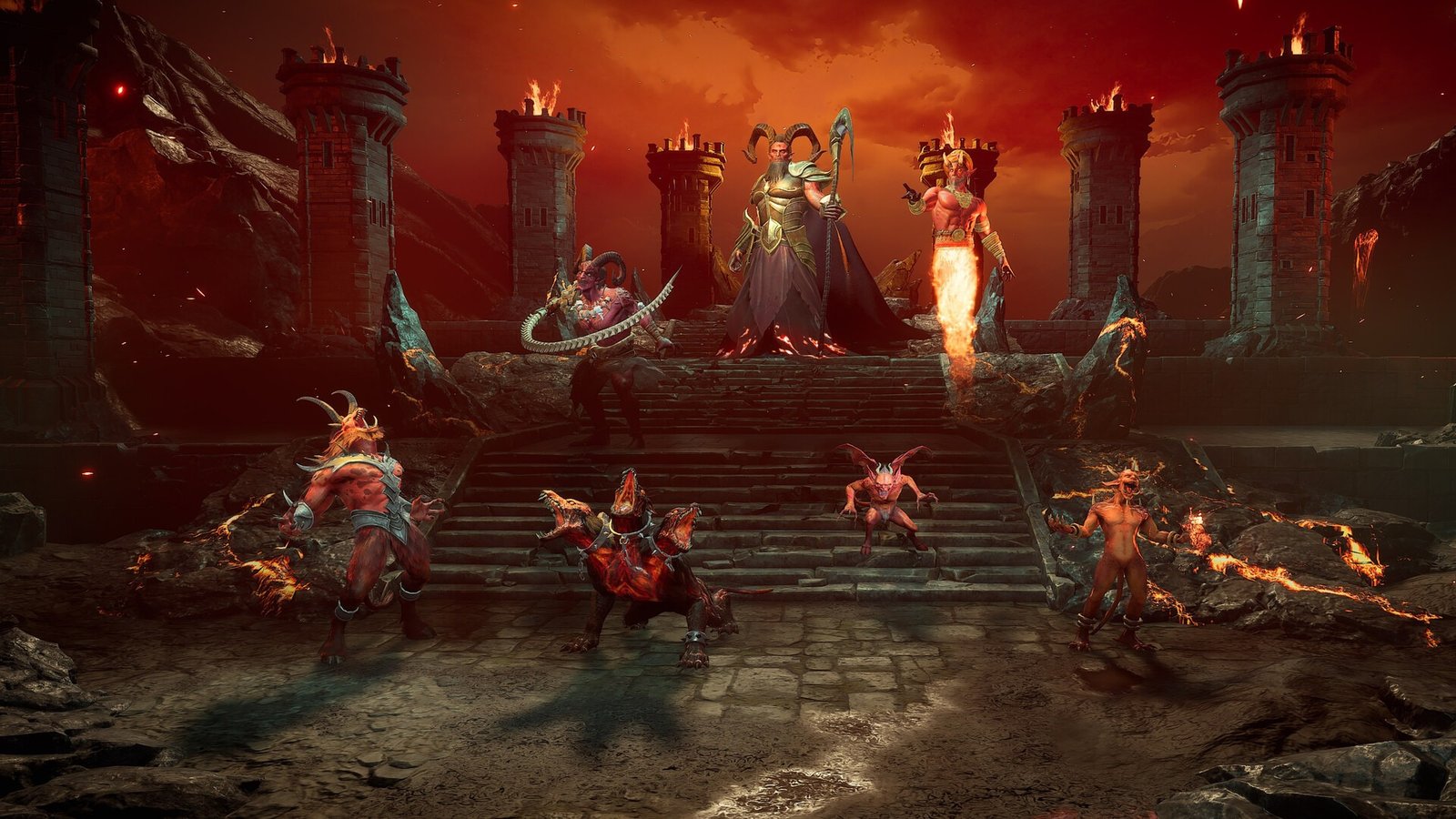
I felt some of that while steamrolling parts of the map as Necropolis, eventually relying on auto battles more often than fighting every encounter manually. Nothing felt broken during the preview, but exact faithfulness naturally raises the question of whether every piece of the original balance still deserves to remain untouched in 2027. Monin suggested Ubisoft is deliberately leaving that discussion until players have the game.
“I think, because we will be working with the community, that it’s a lot easier to try and do new things,” he explained. “We’ve had people asking for things that mods had been bringing. There were some features that people really liked.”
The initial objective is to create “something really simple” that veterans recognise, and newcomers can understand before deciding with the community what should happen next. That feels like the sensible approach for Heroes of Might and Magic III Remake. Change too much now and Ubisoft risks losing the audience that has kept Heroes III alive for decades. Change nothing forever, and the remake could eventually become too beholden to 1999.
The Community Could Shape What Comes After Launch
The influence of existing players can already be seen in some of the remake’s additions. One example is its playstyle presets, which alter elements such as camera position, interface presentation and controls depending on how someone wants to interact with the game.
“You can have an experience that’s more targeted towards the type of player you are. You can create your own or change them,” Monin explained. That is exactly the sort of modernisation that makes sense here.
It changes how players access information rather than changing the strategic information itself. Community content will also be a major part of the remake. Ubisoft says existing community-created maps and campaigns will remain compatible at launch, while updated editors and an in-game UGC hub will let players create and share their own material in Heroes of Might and Magic III Remake.
The team also plans to develop some new content itself. Monin said Ubisoft wants to “experiment with different things” after release, which could ultimately make the post-launch period more adventurous than the initial remake.
That is potentially where this conservative foundation of the Heroes of Might and Magic III Remake becomes much more interesting. Rather than deciding before launch which 27-year-old systems need rebalancing or replacing, Ubisoft can first establish a familiar baseline and then see where the community actually wants it to go.
A New Art Style Is Already Dividing Fans
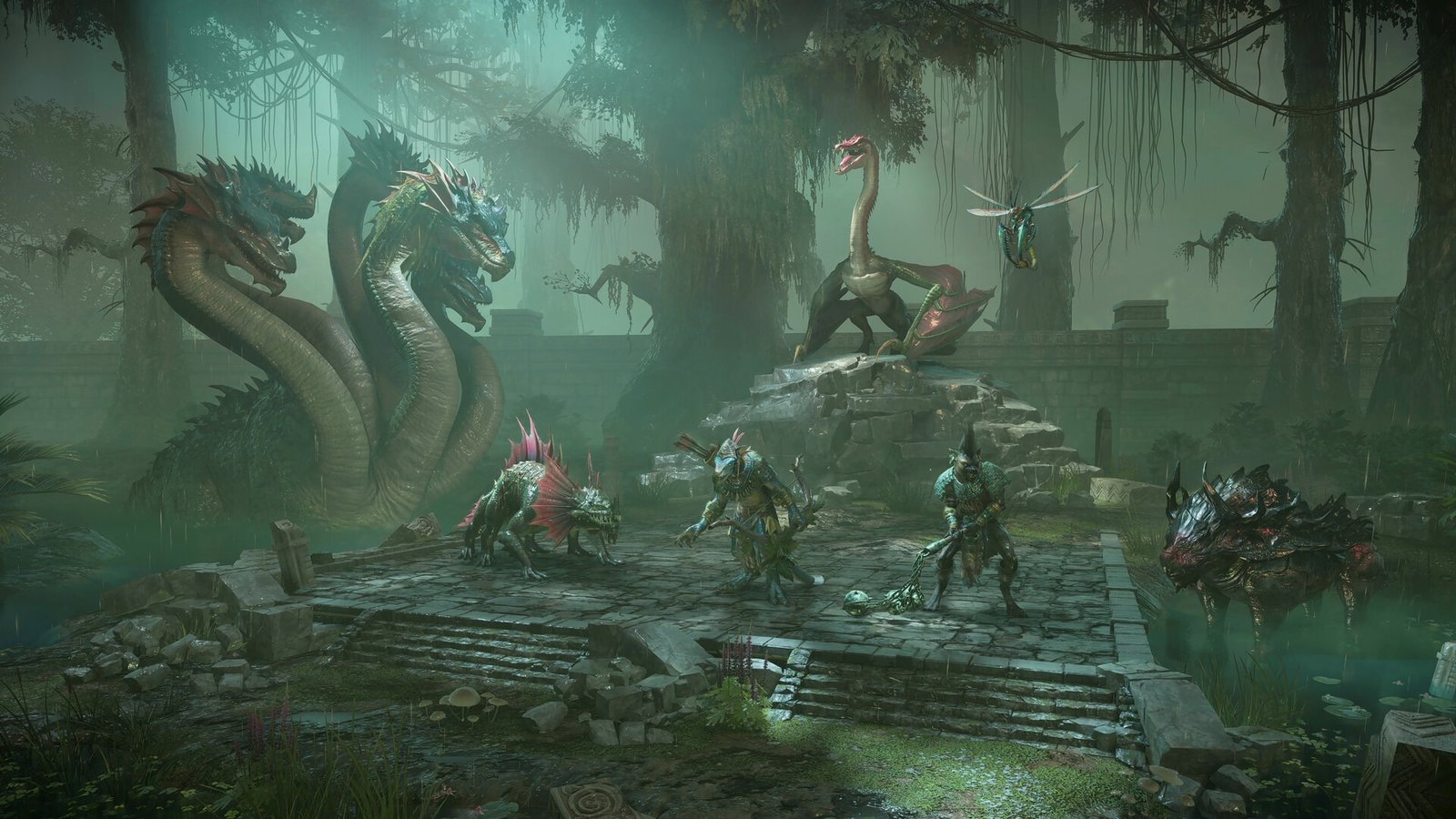
One place where familiarity was never going to be possible is the presentation. The original Heroes III has an extraordinarily distinctive visual identity, and converting that into full 3D inevitably changes how its towns, creatures and battlefields look.
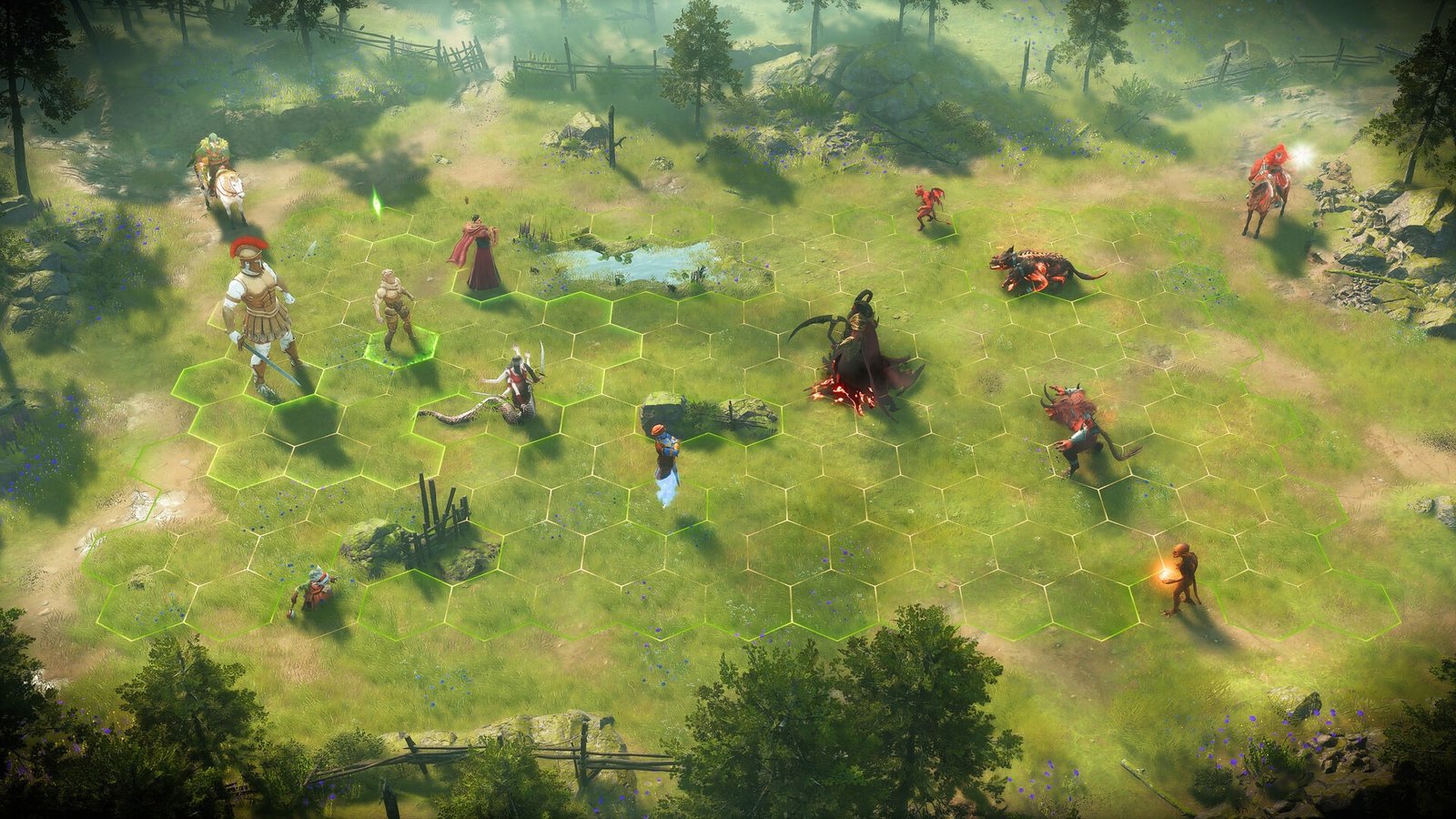
During the hands-on, I found Heroes of Might and Magic III Remake technically impressive but occasionally too clean. Plenty of detail remains, and the new presentation makes units and environments much easier to examine from different angles, but some of the original’s grittier texture has inevitably been softened in the transition. Monin acknowledged that visual faithfulness has been one of the more difficult challenges.
“Some of the reactions on the Internet show us that it’s really hard to please everyone,” he said. The team initially experimented with far more literal recreations.
“The point of view was, ‘Okay, how can we keep the spirit of these units as much as possible, but not necessarily the details of it?’ We did some very literal tests at the beginning, and then we had some feedback.”
The problem was that designs created for an isometric game in 1999 did not always translate gracefully into freely viewable 3D models.
“We were very faithful, but it didn’t work in 3D. It was a bit goofy.”
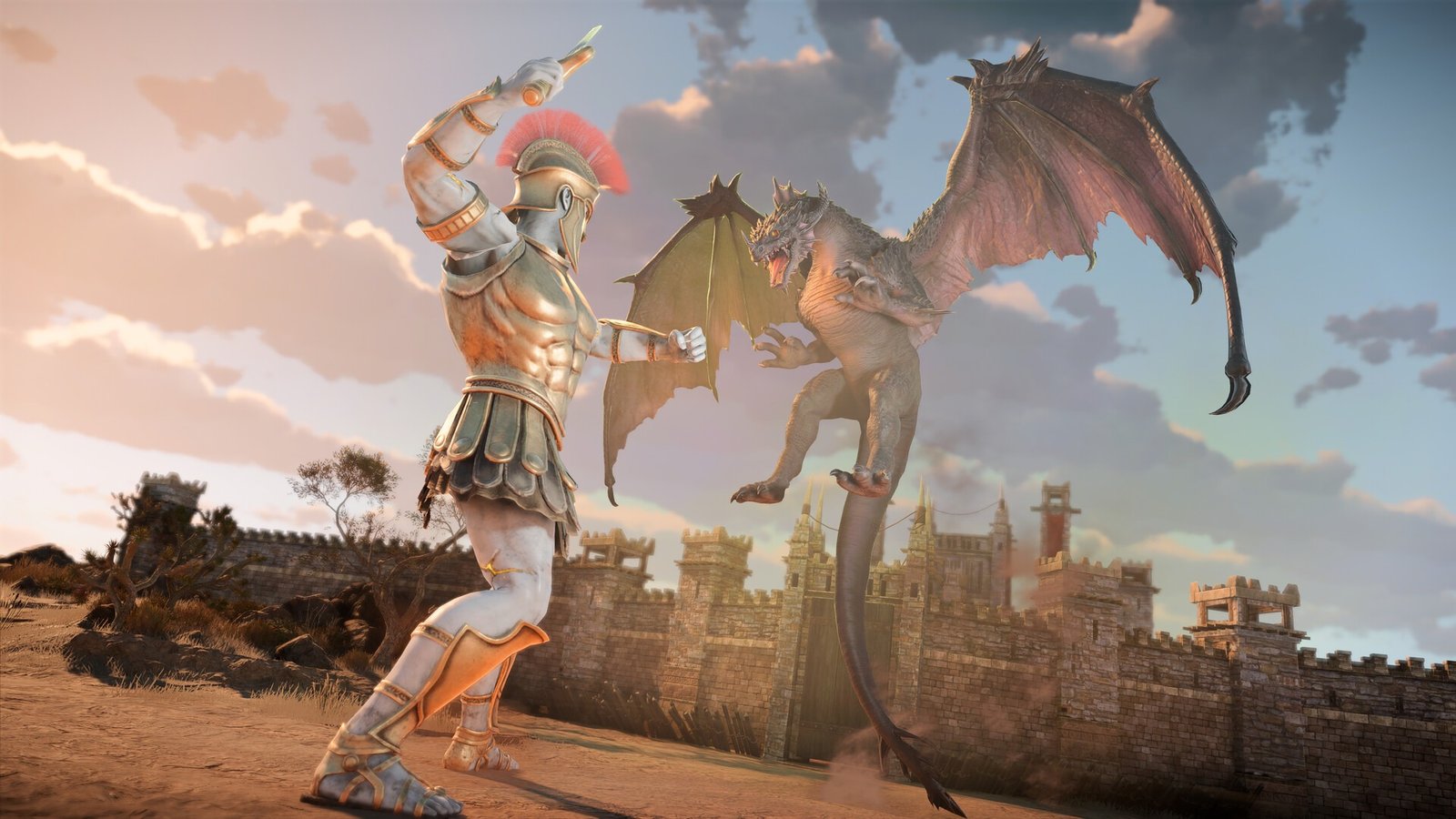
That eventually pushed the artists toward designs that preserve each creature’s broad identity without treating every original sprite as something sacred in Heroes of Might and Magic III Remake. I suspect the art direction will remain one of the remake’s most subjective elements. It certainly didn’t bother me enough to undermine the hands-on, but there were moments when I preferred the original’s rougher personality to the cleaner modern interpretation.
Console Controls May Be Easier Than Expected
The remake also represents an opportunity to bring Heroes III comfortably onto modern consoles. When I asked Monin about PlayStation 5 and Xbox Series X|S, he pointed towards recent console versions of strategy games such as Anno and Civilization as useful references.
“They’re good references to work on,” he said.
He also believes Heroes III itself is less intimidating to translate than some might assume.
“Other aspect I think is that it’s not as difficult as it might seem because the controls and approachability of the game is easier to port than other games. It’s just a very tactile game. You’re just pressing buttons and moving the hero.”
He has a point. Even on PC, Heroes of Might and Magic III remains a remarkably fluid game that can largely be played with one hand while almost completely ignoring the keyboard. Combined with Heroes of Might and Magic III Remake‘s more flexible camera, interface options and control presets, I can see how the fundamental loop could translate comfortably to a controller.
Embracing Old and New
Walking away from the hands-on and my conversation with Monin, Heroes of Might and Magic III Remake felt reassuringly difficult to mess up. The build was polished, responsive and remarkably easy to settle into. Every quality-of-life addition I encountered reduced friction without disrupting the strategic rhythm that has kept the original relevant for decades.
That conservatism is also the remake’s biggest question. Ubisoft is rebuilding the world, interface, audio and presentation, while deliberately preserving the balance and strategic rules underneath. For returning players, that could be exactly what they want.
For anyone hoping that the Heroes of Might and Magic III Remake might reconsider 27 years of accumulated quirks, uneven balance or community-driven improvements, what happens after launch may ultimately prove just as important as what ships on day one. The encouraging part is that Ubisoft appears aware of that tension.
Instead of immediately rewriting a classic, the team is establishing a familiar foundation and leaving itself room to listen once millions of different strategies start colliding again. Heroes of Might and Magic III Remake may therefore be less interesting for how dramatically it changes Heroes III and more for how carefully it chooses what not to touch. Sometimes remaking a classic is not about fixing everything; it is knowing which parts were never asking to be fixed in the first place.
Heroes of Might and Magic III Remake launches in 2027 for PlayStation 5, Xbox Series X|S and PC through Ubisoft Store, Steam and the Epic Games Store. It will also be available through Ubisoft+.
