

Table of Contents
Crazy Taxi: World Tour Preview Struggles to Recapture the Arcade Rush
Crazy Taxi: World Tour used Gamescom 2026 to unveil its multiplayer modes with a new trailer, but my hands-on with SEGA‘s long-awaited revival focused on something much more traditional: driving around colourful cities, picking up passengers and trying to get them where they needed to go as recklessly as possible.
At least, that is what I expected. The return of Crazy Taxi should have been one of SEGA’s easiest nostalgia wins. The cars are exaggerated, the soundtrack is loud, familiar characters are returning, and the basic driving still understands the appeal of throwing a taxi around corners with very little concern for public safety.
Yet the longer I played Crazy Taxi: World Tour, the more something felt off. It was not that the revival had completely misunderstood Crazy Taxi. Quite the opposite. Almost every recognisable ingredient was present. The problem is that its more forgiving campaign structure seems to have softened the pressure that once made those ingredients work so well together.
There was already some controversy surrounding Crazy Taxi: World Tour before Gamescom. Series creator Kenji Kanno previously discussed using generative AI during early ideation, prompting criticism from some longtime fans. SEGA has since clarified that no AI-generated content will appear in the finished game, with the technology used only as a reference during the conception of background objects.
That wider discussion did not influence much of what I actually played. The bigger problems were immediately visible on screen and, more importantly, apparent once I started driving.
The Familiar Look Feels Almost Too Clean
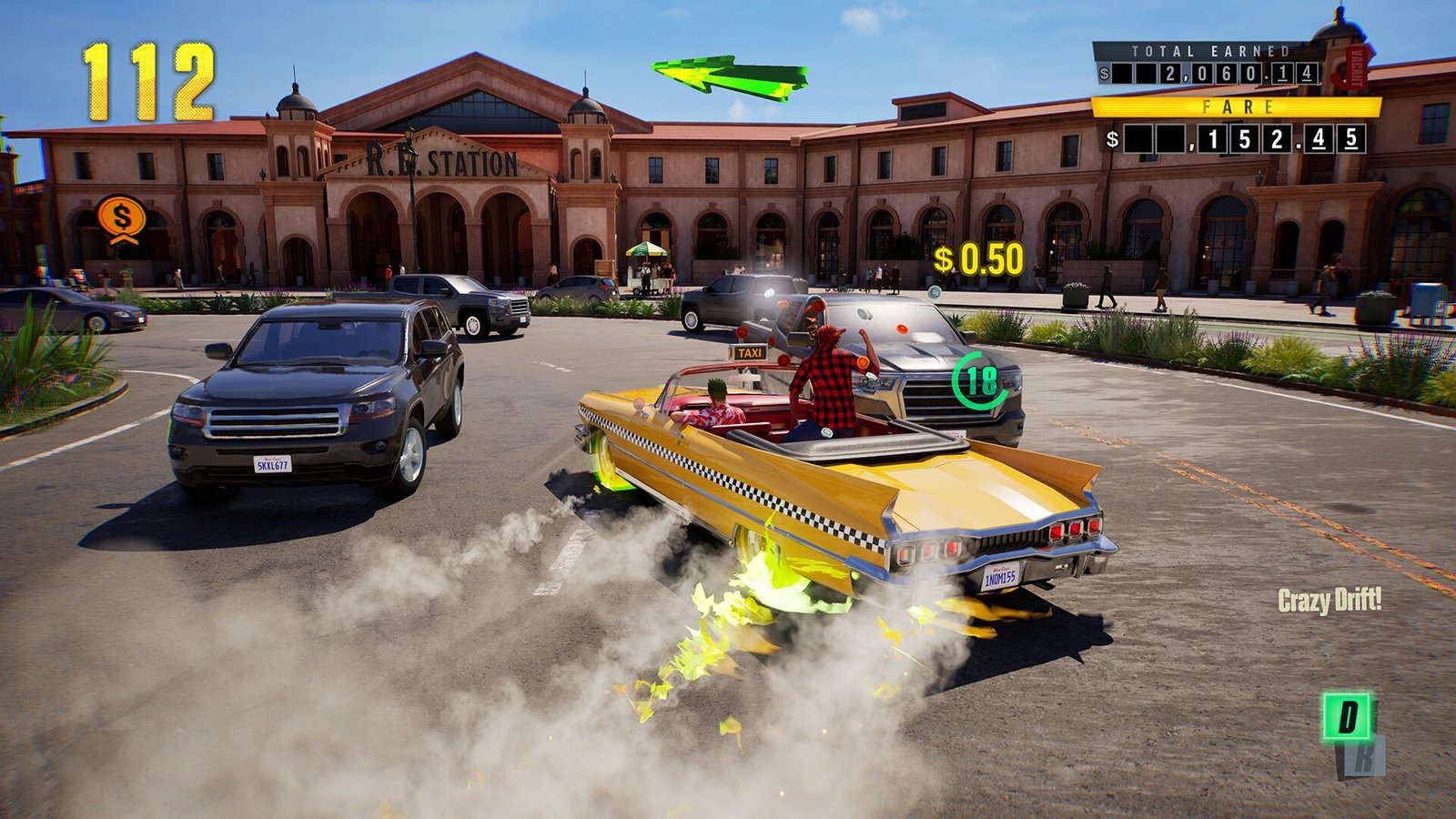
Axel’s presence in the demo immediately invites comparisons with the arcade and Dreamcast originals. At first glance, Crazy Taxi: World Tour certainly resembles them. The character designs remain simple and exaggerated, environments are easy to read at speed, and the taxis themselves retain the retro styling expected from the series.
Look closer, and the effect falls apart. The new game has a much cleaner presentation, with polished surfaces, modern lighting and softer geometry replacing much of the rougher texture that gave the original games so much personality.
That is not inherently a problem. A revival made more than 25 years later obviously should not look identical. What bothered me was how frequently Crazy Taxi: World Tour appeared caught between two directions. The characters and vehicles want to evoke the exaggerated style of the older games, while the surrounding environments often lean towards a more polished modern interpretation.
Instead of reinforcing one another, the result occasionally looks like a meticulous recreation that preserves the shapes without quite preserving the attitude. It is recognisable, but it just does not always feel right.
The Driving Is Solid, but the Pressure Is Missing
Thankfully, driving itself makes a much better first impression in Crazy Taxi: World Tour. The cars are more fluid than their arcade counterparts while remaining immediately accessible. The controls are simple, with only a handful of inputs needed to throw the taxi around the city, drift into corners or perform sudden stops.
New tricks also give players more options. A large speed boost can be deployed strategically, while drifting and other manoeuvres make navigating wider roads and tight urban spaces more playful than simply holding down the accelerator.
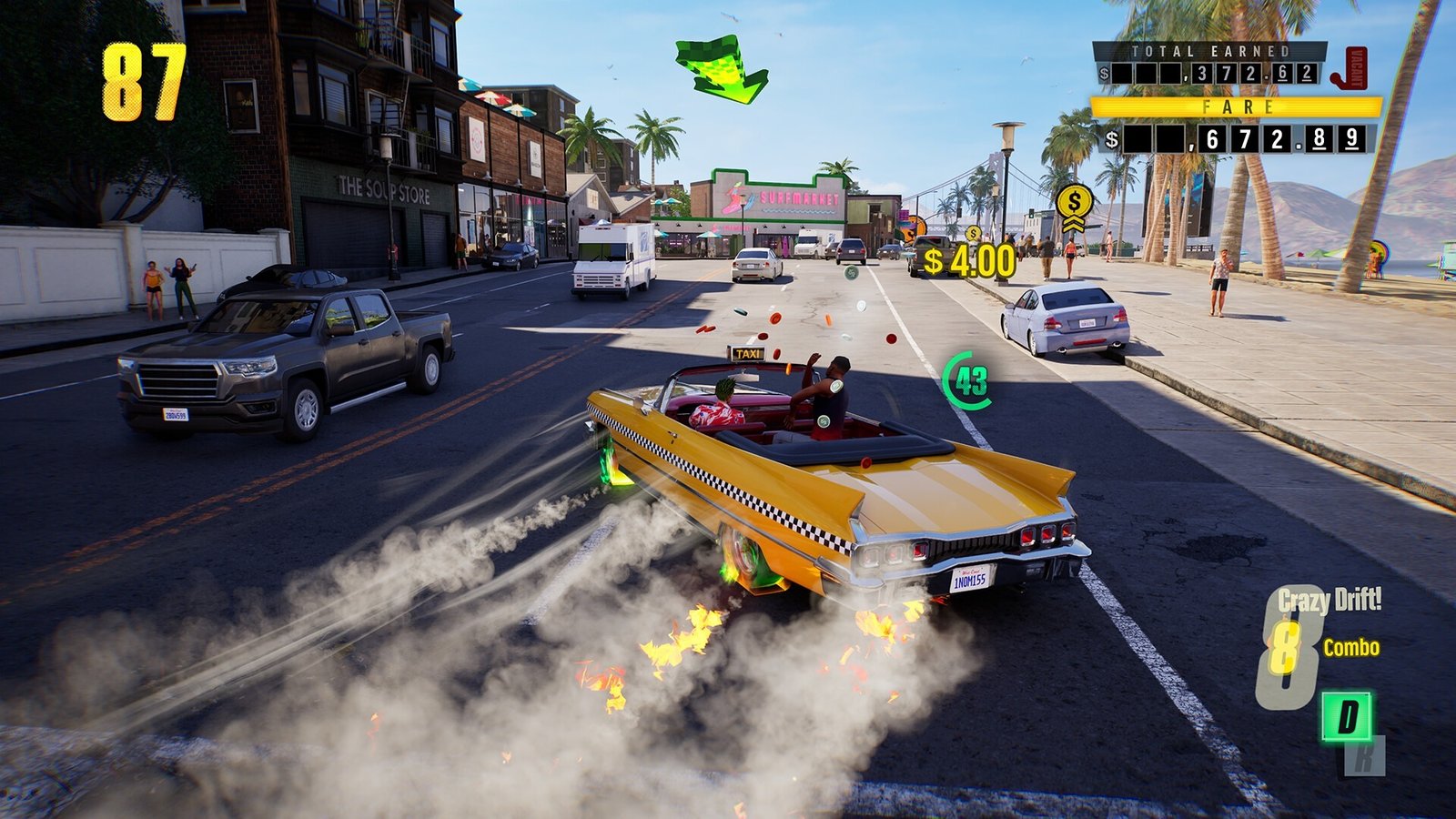
As a modern interpretation of the original handling, it works. The problem is what Crazy Taxi: World Tour asks you to do with it. The campaign shifts towards larger spaces filled with activities rather than relentlessly throwing passengers at the player against a shrinking clock. My demo included a Germany-based location with several Cologne-inspired landmarks, and it was genuinely fun to explore without constantly worrying about another fare.
Some of the side activities also understand the stupidity that Crazy Taxi needs. One challenged me to stop at exactly the right point so the taxi could launch a man through the air and across part of the city. It is ridiculous, and it is also exactly the sort of nonsense I want from this series.
Side Activities Work Better When They Stay Weird
Those diversions prove that expanding Crazy Taxi beyond the traditional passenger loop is not inherently the problem. A larger campaign could give players something to do between high-pressure runs, while allowing the cities themselves to become more than disposable scenery flying past the windscreen.
The concern is how much those activities now appear to drive progression in Crazy Taxi: World Tour. Completing challenges, earning medals and gathering money all contribute towards advancing through the game’s locations. Picking up customers is still there, but it no longer feels like the sole source of momentum.
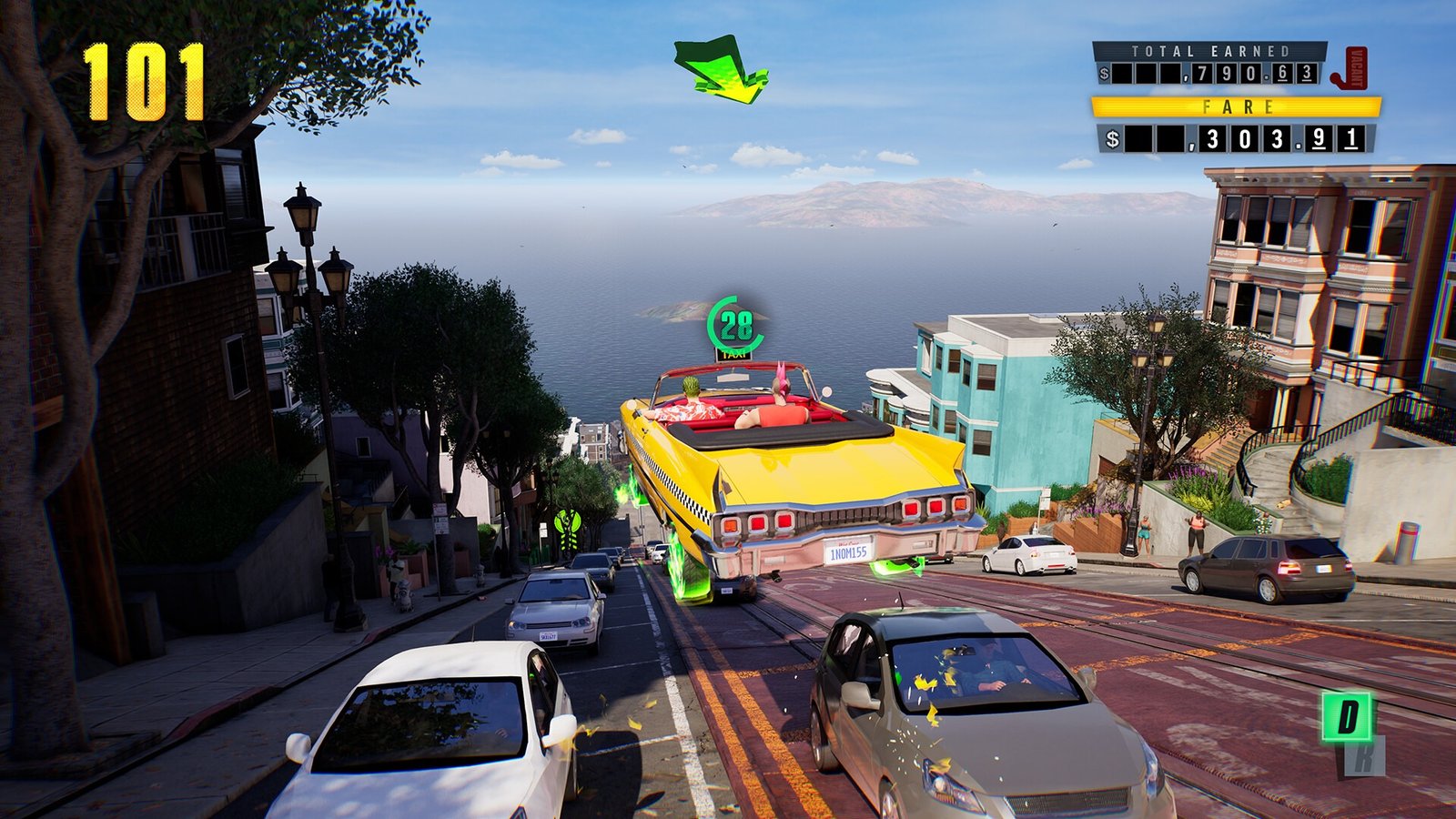
Better performance still matters for rewards, and failure simply matters much less. If you miss a destination or decide you have had enough, the campaign does not appear interested in punishing you in the same way the old arcade structure did. You can stop working and return to exploring rather than watching the entire run collapse because you failed to squeeze another passenger into your remaining seconds.
That is undoubtedly friendlier, but it also removes some of the tension. The original Crazy Taxi worked because everything felt temporary. Every successful fare bought another desperate opportunity to extend the run, and every mistake threatened to end it. The World Tour campaign turns that pressure into something much softer.
SEGA has confirmed a separate Arcade Mode that preserves the more traditional race against the clock, so it would be unfair to suggest the entire game has abandoned that identity. But based purely on what I played, the main campaign currently feels like it is modernising away some of the friction that gave Crazy Taxi its momentum.
The Nostalgia Is Loud, but the Attitude Feels Softer
That feeling extends beyond the structure of Crazy Taxi: World Tour. The Offspring and Bad Religion were played repeatedly throughout the demo, instantly producing the kind of sonic nostalgia anyone familiar with Crazy Taxi will recognise.
After hearing the same handful of tracks multiple times, though, the effect started wearing thin. That may simply reflect the limited soundtrack available in this preview build rather than what the full release will offer, but it reinforced the strange tension running through the entire hands-on.

Yet nostalgia alone cannot recreate why all those pieces of Axel, the loud soundtrack, exaggerated tricks, and bright visuals all felt so exciting together in the first place. Part of Crazy Taxi‘s personality came from how relentlessly everything moved. The timer was hostile, passengers were impatient and every badly judged corner wasted time you could not afford to lose.
In Crazy Taxi: World Tour, I occasionally encountered passengers whose timers seemed extremely generous, while others felt oddly difficult to satisfy. More importantly, failing to perform well rarely carried enough consequence to make those inconsistencies particularly stressful. The old games wanted you to panic, and yet the World Tour campaign wants you to keep playing. Those goals aren’t necessarily incompatible, but based on this demo, SEGA hasn’t fully reconciled them yet.
Multiplayer Could Still Change the Equation
There is also a major part of Crazy Taxi: World Tour that this hands-on did not cover. SEGA used Gamescom to highlight multiplayer, including competitive modes that give several players a reason to cause chaos simultaneously.
That could introduce a completely different kind of urgency. Competing against other drivers for passengers, scores, or objectives may restore some of the pressure missing from the single-player campaign, while dedicated Arcade Mode should cater more directly to anyone looking for the uncompromising structure of the classics.
Both remain important unknowns after my session. What I can judge is the campaign SEGA put in front of me, and right now it feels caught between preserving Crazy Taxi and making it easier to live with.
Crazy Taxi: World Tour Needs More Than Familiar Tricks
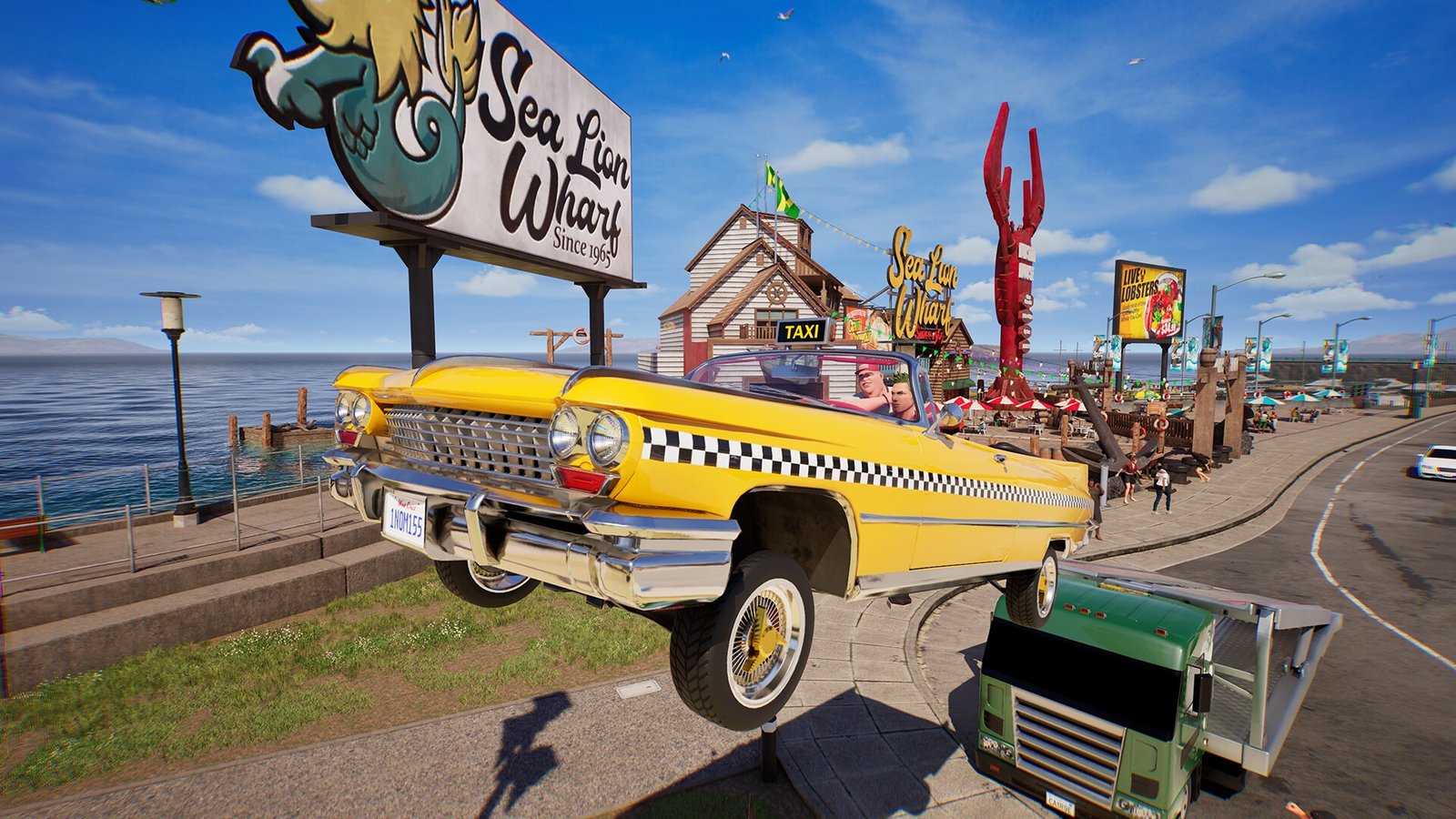
That leaves me in a strange position with Crazy Taxi: World Tour. The actual driving is solid, and the new tricks are useful without overcomplicating an intentionally simple arcade control scheme. Some of the side activities are genuinely funny, and expanding each location beyond a constant sequence of passenger runs could ultimately give the full game far more variety.
Yet every step towards a more accommodating modern structure seems to move the campaign slightly further away from what made Crazy Taxi immediately compelling. The rough edges have been smoothed, the timer matters less, failure matters less, and even the visual identity feels cleaner and more carefully recreated than rebellious. None of that makes Crazy Taxi: World Tour a bad driving game, it simply raises the question of whether a good modern arcade racer is enough when the name on the taxi demands something far more specific.
I still have plenty to play. Arcade Mode could deliver exactly the pressure I am missing, while multiplayer may turn these larger cities into something suitably chaotic once several drivers start fighting over them. For now, though, Crazy Taxi: World Tour feels like a revival that knows all the tricks but has not completely recaptured why doing them once felt so urgent.
Crazy Taxi: World Tour launches in 2027 for PlayStation 5, Xbox Series X|S, Nintendo Switch 2 and PC.
