

Table of Contents
007 First Light on PS5
It’s been a hot minute since we last had a proper 007 game, which is strange to think about given the impact James Bond games have had over the years. For a long while, players have had to get their spy and espionage fix elsewhere, whether through the globe-trotting adventure of Uncharted or, more fittingly, the social stealth sandboxes of Hitman.
That is what makes IO Interactive such a natural fit for Bond. While 2012’s Hitman: Absolution remains a misstep in the studio’s history, the modern Hitman trilogy cemented IO Interactive as one of the best developers working in stealth, disguise, improvisation, and player choice. Bond has always needed more than shooting galleries and expensive cars. He needs charm, adaptability, tension, spectacle, and the ability to walk into a room where everyone is watching without ever looking out of place.
007 First Light understands that fantasy. It does not always blend its stealth, action, adventure, and narrative elements perfectly, but when it finds its rhythm, it becomes one of the most convincing Bond games ever made. This is a globetrotting spy thriller that takes a little while to get the wheels in motion, but once it does, that momentum carries through to the finish line.
Earning The Number
007 First Light tells James Bond’s origin story, following him before he becomes the agent we know. After his squad is ambushed during a retrieval mission in Iceland, Bond is left as the sole survivor. With the situation rapidly spiralling out of control, MI6 takes over the operation and begins directing him from afar. Bond, naturally, is quick to defy orders, putting himself in harm’s way to save innocent lives caught in the crossfire.

It is the kind of impossible situation Bond always seems destined to survive, and his actions capture MI6’s attention. From there, 007 First Light becomes a story about Bond earning the number, not through effortless cool, but through recklessness, instinct, and a growing understanding of what it means to serve something larger than himself.
The first act is where the game struggles the most. Outside of its strong opening mission, it spends a long stretch establishing Bond’s place within MI6, his relationship with the other 00 agents, and the disdain his mentor Greenway has for him. There is value in that groundwork, especially since this is a younger and less refined Bond, but the pacing is noticeably slower than it needs to be. The game asks for patience before it properly delivers on its premise.
Once the second act kicks in, things start to click. New characters fold into the core plot, the conspiracy becomes more compelling, and Bond and Greenway’s uneasy dynamic gives the story its emotional backbone. Patrick Gibson and Lennie James are excellent as Bond and Greenway, respectively, bringing a real sense of friction, respect, and reluctant trust to their scenes together.
The wider cast does plenty of heavy lifting, too. Lenny Kravitz’s Bawma is a highlight despite limited screen time, while Kiera Lester’s Moneypenny brings warmth and personality without feeling like a simple franchise obligation. The facial animation also deserves credit, lending a strong sense of believability to conversations that could easily have tipped into stiff spy drama. IO Interactive clearly has reverence for Bond, but 007 First Light is at its best when it is not simply paying tribute. It works because it finds enough space to put its own stamp on the character.
A Game Of Two Halves
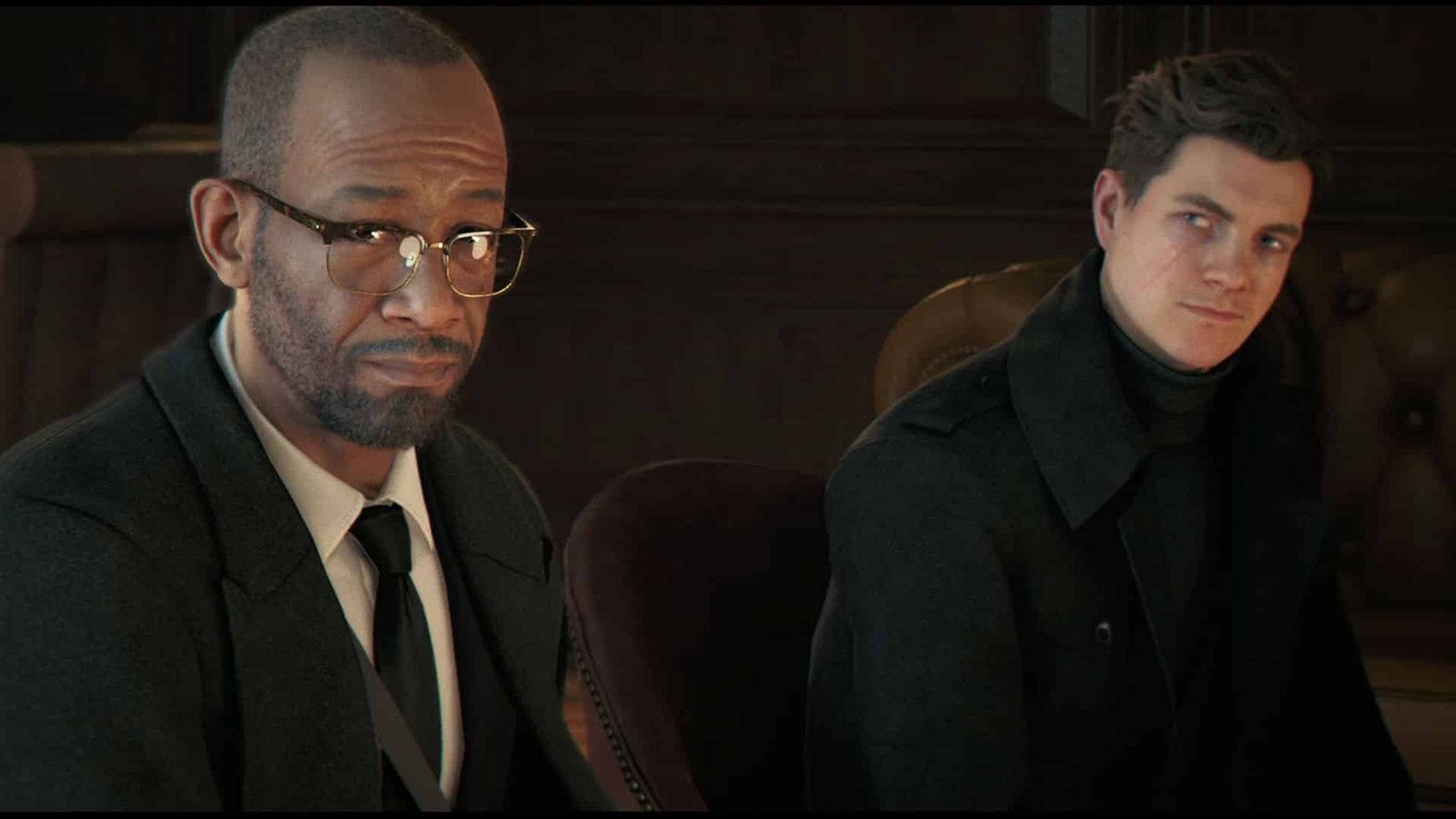
007 First Light is built around two distinct design impulses. One is classic IOI, focused on social stealth, observation, disguise, and player-led problem-solving. The other is pure Bond spectacle, filled with shootouts, chases, escapes, and cinematic set pieces that feel closer to a modern action-adventure game.
That blend makes sense on paper. A modern Bond game should allow players to infiltrate elite spaces, manipulate conversations, use gadgets creatively, and still explode into action when the mission collapses. 007 First Light strikes a workable balance between these ideas, but it rarely commits fully to either side.
Players coming in from Hitman may find the sandbox design more limited than expected. These missions are not as sprawling, reactive, or endlessly replayable as IO’s best assassination playgrounds. There is room to experiment, but the routes and opportunities often feel more curated. On the other hand, players looking for a straight Bond-style action spectacle may be surprised by how often the game slows down, leaving them to investigate, observe, eavesdrop, and piece together a way forward.
That tension never ruins the experience. In fact, it often gives 007 First Light its identity. The game is not trying to be Hitman in a tuxedo, nor is it trying to be Uncharted with a licence to kill. Its best missions sit somewhere between the two, where stealth gives way to improvisation, improvisation gives way to chaos, and chaos gives way to the kind of cinematic escape only Bond could survive.
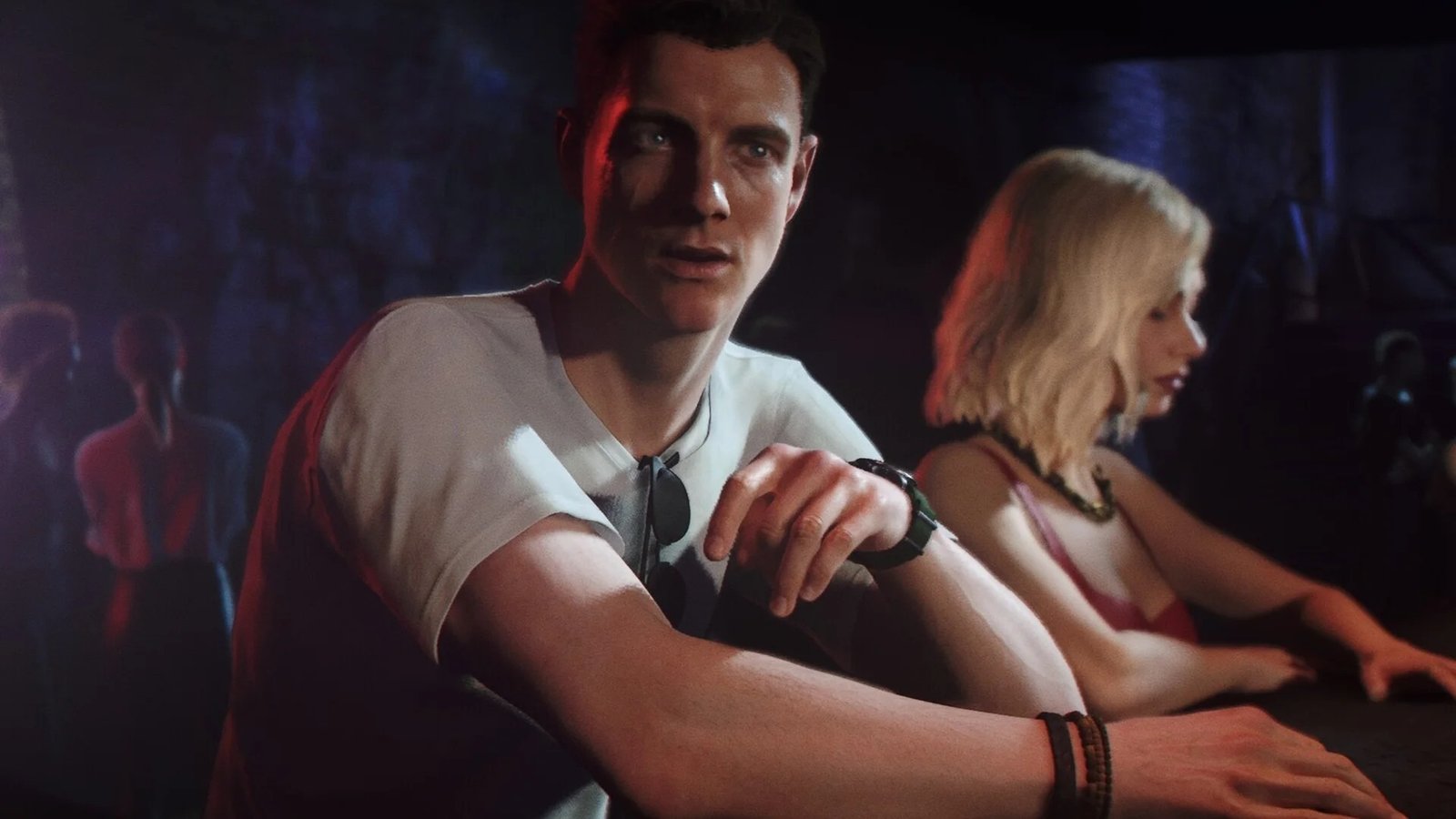
It can be uneven, but it is rarely dull. Each mission shifts shape as the stakes rise, and that constant escalation helps paper over some of the rigidity. You might begin by blending into a crowd, stumble into an opportunity by listening to the right conversation, use a gadget to bypass security, then end the mission fighting your way out after everything goes wrong. That rhythm is where 007 First Light feels most like Bond.
Improvisation In Motion
The best word for 007 First Light is improvisational. It comes through when you bluff your way out of a restricted area after being caught trespassing. It surfaces when you run out of ammunition and throw an empty weapon at the next enemy charging towards you. And most of all, when a clean infiltration collapses into a messy brawl, and you have to use whatever is around you to stay alive.
The social stealth sections are frequent, and most have enough texture to make them memorable. From mingling with high society at a luxury hotel to exploring a decadent island resort frequented by the world’s elite, 007 First Light realises the pleasure of entering spaces where Bond both belongs and absolutely should not be. You can eavesdrop on conversations, uncover clues, open new routes, pick your way through security, or lean into confrontation when subtlety fails.
The gadgets help sell that fantasy. The Dart Phone can incapacitate targets by forcing them away from their post, while the Laser Strap can stun enemies, melt locks, and create openings during stealth or combat. The Q-Watch also gives Bond access to environmental hacks and distractions, ensuring there is almost always another option when the obvious path is blocked.
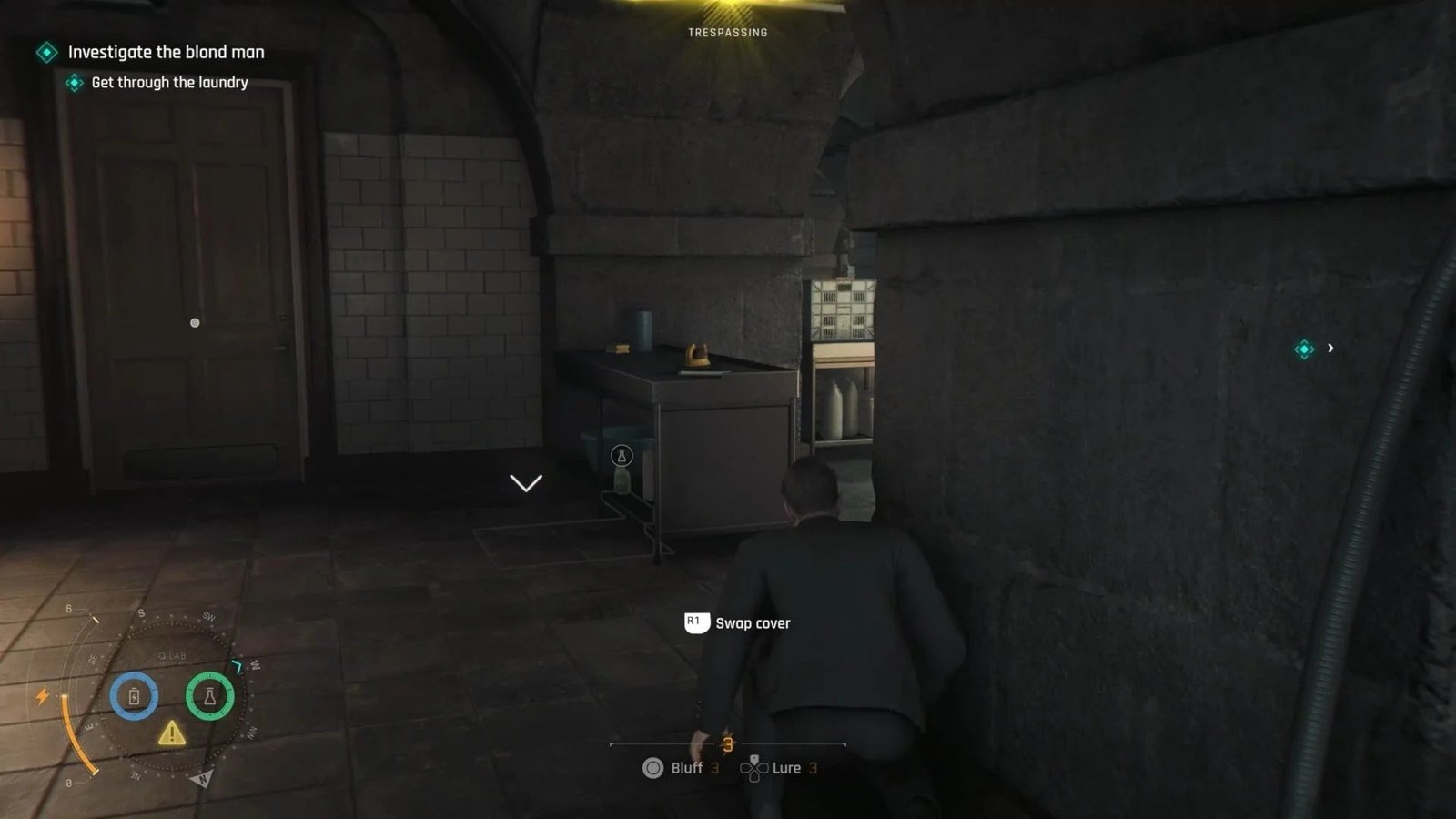
There is some overlap in how these gadgets solve problems, and they can make certain objectives feel too easy, especially when used for tasks like picking the lock on a key item. Their use is tied to Battery and Chemical resources, which should theoretically force more careful decision-making, but those resources are plentiful enough in 007 First Light that scarcity rarely becomes a serious concern. Even so, gadgets remain fun to use because they support the broader fantasy of Bond as someone who always has one more trick available.
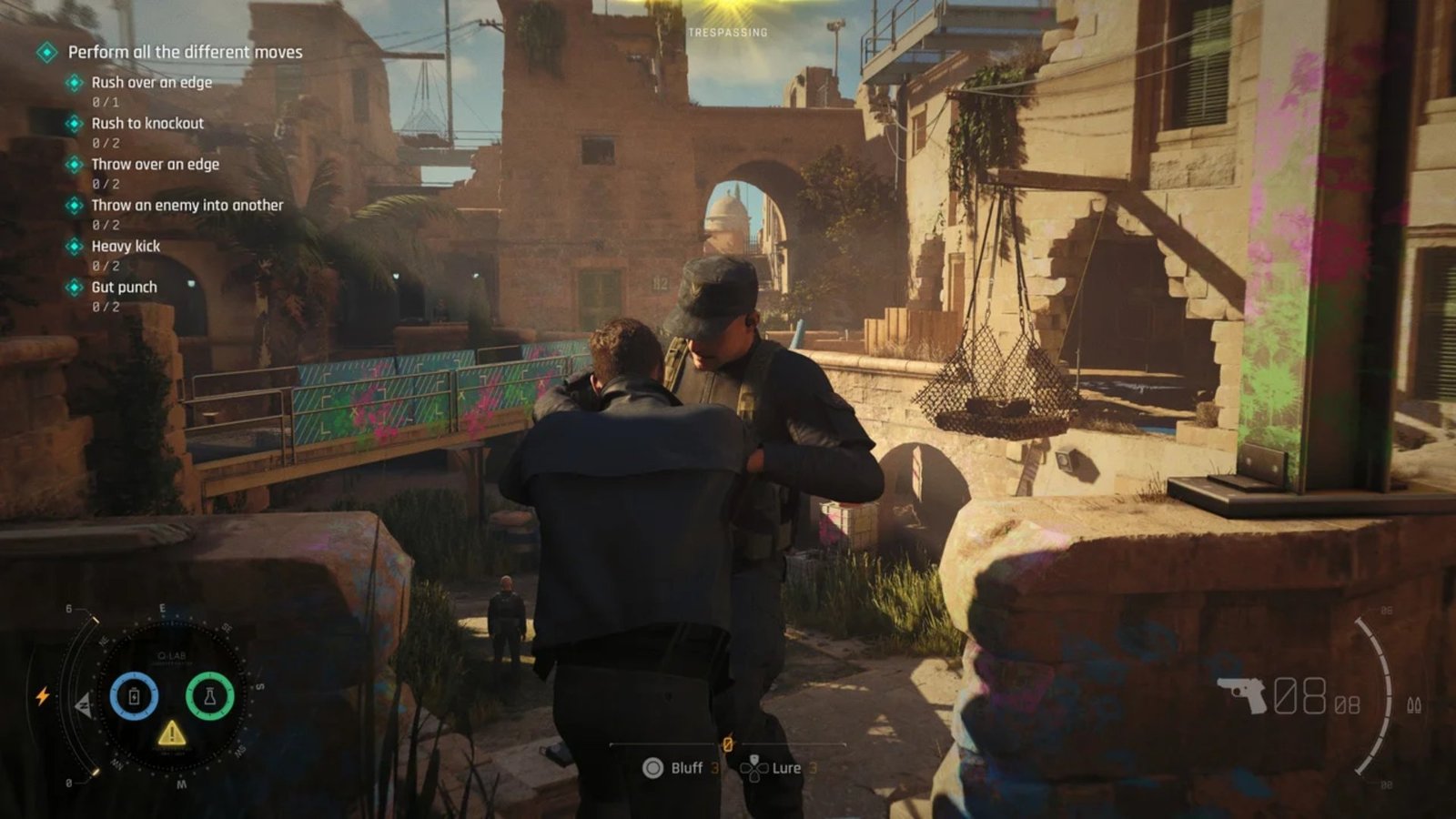
Combat works for similar reasons. On paper, melee is straightforward, as Bond has quick strikes, heavy attacks, grapples, counters, and environmental interactions. In motion, it feels scrappy and stylish in exactly the right way. You can slam enemies into walls, throw loose objects, send opponents over ledges, or chain counters into attacks that look brutal without becoming overly mechanical.
When License to Kill is enabled, Bond can draw firearms and escalate the encounter further. Gunplay is not just about chasing headshots either. Shooting an enemy’s hand can disarm them, targeting their legs can slow them down, and closing the distance after disrupting an attacker often leads to slick, cinematic transitions where Bond turns the situation to his advantage. It is not the deepest combat system around, but it has a strong sense of physicality and style.
That is what 007 First Light does well. Its individual systems are not always exceptional in isolation, but they constantly feed into one another. Stealth, gadgets, melee, and gunplay are all built around making Bond feel reactive. When the game is firing on all cylinders, it feels less like you are following a mission script and more like you are barely keeping control of a situation that could fall apart at any second.
A Few Tactical Oversights
For all its strengths, 007 First Light does underdeliver in a few important areas. The most noticeable issue is enemy AI, especially on normal difficulty. Guards can be too easy to exploit, with short sightlines and forgiving reactions that allow Bond to get away with mistakes that should have ended the mission.
This is most obvious during stealth. There were too many moments where impatience should have been punished, only for the game to let me contain the situation far too easily. Even when Bond gets caught, the ability to bluff his way out of trouble can feel overly generous. That mechanic is thematically perfect, but mechanically, it sometimes takes too much pressure off infiltration.
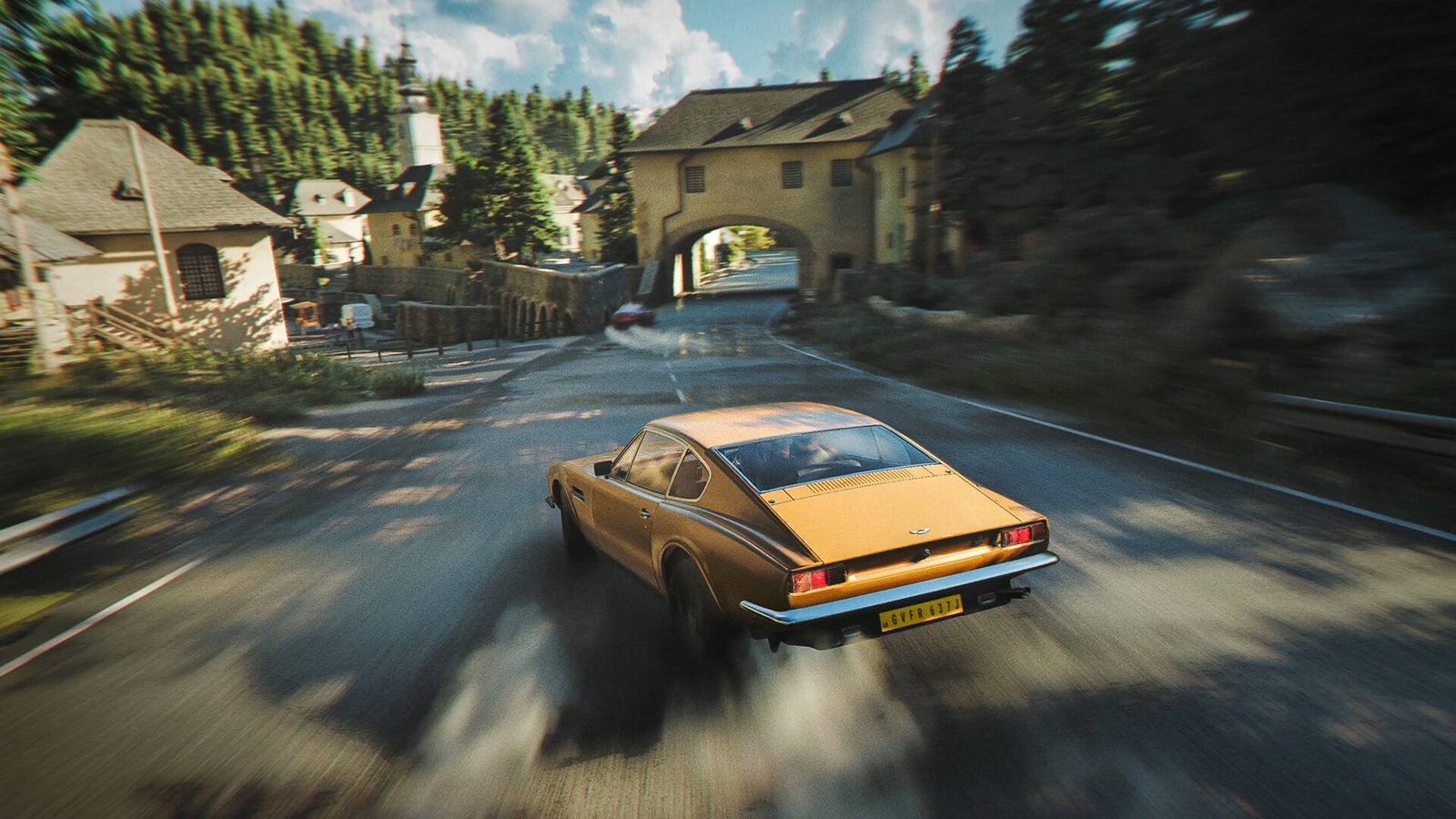
Driving is the other major weakness in 007 First Light. Whether Bond is behind the wheel of a flashy car or piloting a boat, these sections feel too guided to leave much impact. They look the part, but they are sluggish to control and often feel nearly impossible to fail. For a Bond game, that is a shame. Vehicle sequences should be thrilling, dangerous, and slightly ridiculous, but here they mostly function as brief connective tissue between stronger sections.
It is also disappointing that vehicle combat is not explored in greater depth. The final mission gestures towards what could have been, but even then, the limited arena size stops it from reaching its full potential. For a game that otherwise understands Bond’s iconography so well, the driving feels like one of the few areas where the fantasy does not fully land.
Secret Live Service Agent
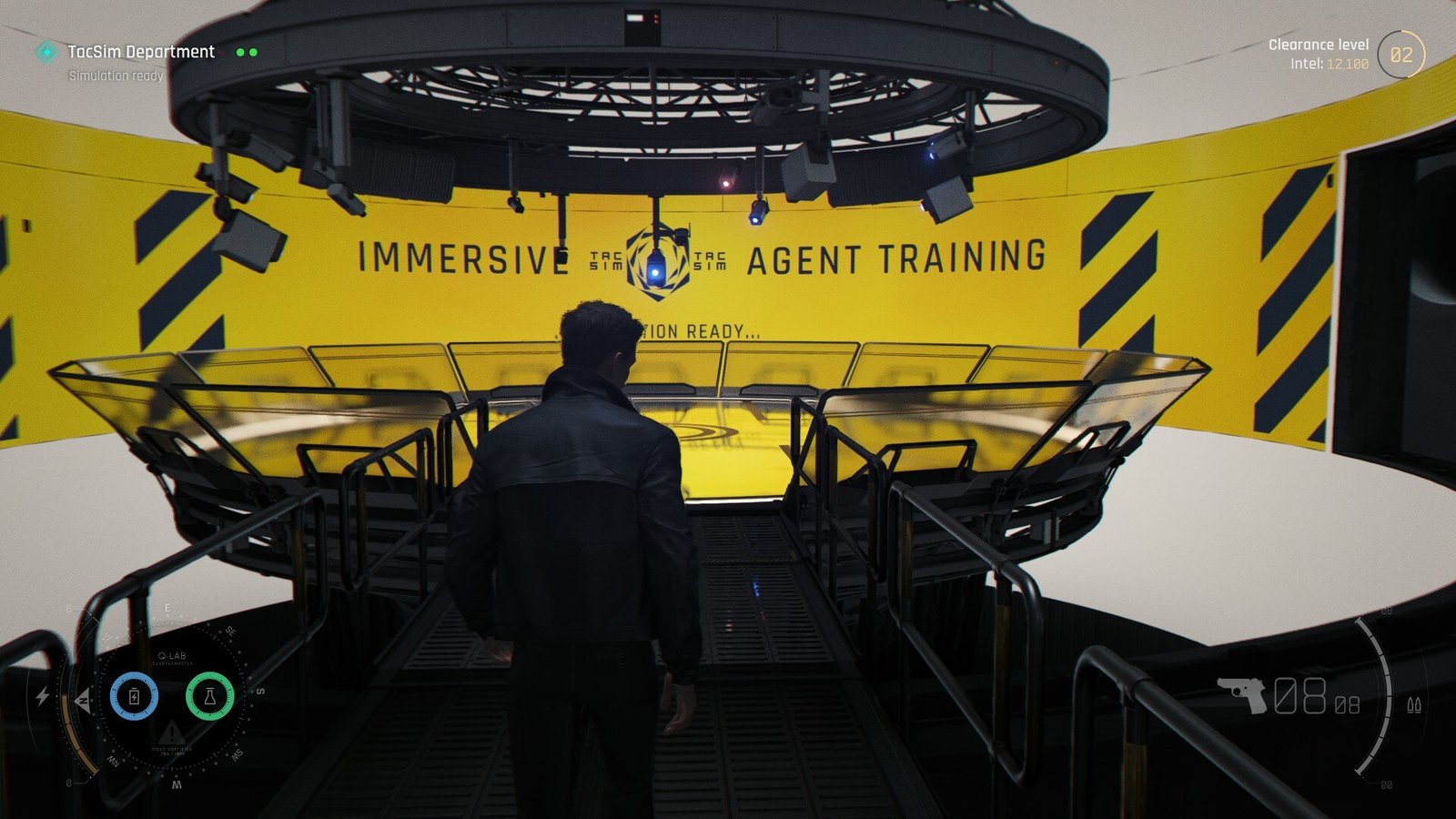
One of the major strengths of IO Interactive’s recent Hitman trilogy was how well it supported replayability after launch. 007 First Light makes its own attempt at that through TacSim, a simulation mode that remixes beats from the main story into Operations and Escalations.
Operations are more open-ended missions built around key objectives, while Escalations function more like challenge maps that increase in difficulty as new tiers unlock. You can customise Bond’s loadout and outfit before entering each simulation, and clearing objectives rewards you with Intelligence and Clearance. Clearance acts as a permanent rank, unlocking new items that can then be bought with Intelligence, including weapons, weapon skins, costumes, and gadgets.
TacSim is clearly designed for players who want more after the credits roll. It adds a useful post-campaign layer to the game and encourages players to approach familiar spaces differently. There is not a huge amount of content at launch, but there is enough to squeeze out a few extra hours, especially for anyone chasing full completion.
The bigger question is how IO Interactive builds on it. As a foundation, TacSim makes sense as it fits the studio’s strengths, gives the community something to return to, and provides a natural home for future challenges. It is not essential to enjoy 007 First Light, but it does make the overall package feel more complete.
Modernised Spyware
007 First Light is consistently impressive, though not always the most visually extravagant game in its class. The headline achievement is not necessarily raw detail, but density, animation, and scene composition. IO Interactive’s crowd technology remains outstanding, and a packed nightclub sequence shows that better than almost anything else in the game. The space is filled wall to wall with bodies, yet Bond moves through the crowd naturally, with enough subtle gestures and incidental movement to make the environment feel alive.
A Bond game needs to feel like it is always travelling somewhere, and 007 First Light delivers that through its locations. Iceland’s cold, rocky terrain lends the opening a harsh physicality, while Vietnam offers warmer, lusher environments that contrast sharply with later, icier stretches around the Antarctic Circle. The result is a campaign that understands the appeal of Bond’s globetrotting identity, not just as visual variety, but as a way to keep the adventure moving.
The game also performs well on PS5, holding steady through busy environments, dense crowds, and action-heavy sequences. As 007 First Light often relies on escalation, nothing kills the rhythm of a Bond set piece faster than technical stutter, which thankfully doesn’t happen. Facial animation is another standout, especially during quieter character scenes where the story leans on Bond and Greenway’s uneasy relationship.
It is not flawless. Some environments are more striking in layout and mood than in fine visual detail, and there are moments where the game moves too quickly for its own scenic work to properly breathe. Still, 007 First Light looks and feels polished where it counts, and its presentation supports the fantasy rather than distracting from it.
A Bold Bond Experience

It is surreal to finally have an IO Interactive James Bond game, and even more surreal that it has come together this well. 007 First Light is not perfect, but it is confident, stylish, and far more assured than its uneven first act initially suggests.
Its weaker points are clear. The opening stretch takes too long to hit full momentum, enemy AI is too forgiving, and the driving sections never deliver the thrill they should. Yet none of these issues derails the experience. They are frustrations in a game that otherwise understands the character, the fantasy, and the appeal of being Bond in a way few games have managed.
More importantly, 007 First Light proves IO’s talents extend beyond Agent 47. The studio has taken its understanding of stealth, social spaces, and improvisation, then reshaped those strengths into something more cinematic and accessible. The result is a Bond game that can be tense, messy, elegant, explosive, and charming, often within the same mission.
As an origin story, it gives this version of Bond room to grow. As an action-stealth adventure, it lays a strong foundation for what’s to come. 007 First Light may not be the definitive Bond game in every department, but it is easily one of the most exciting blueprints the franchise has had in years.
007 First Light is available on PlayStation 5, Xbox Series X|S, and PC.
SavePoint Score
Summary
IO Interactive delivers a confident Bond origin story with 007 First Light, which balances social stealth, cinematic action, and improvisational combat, even if weak driving, forgiving AI, and slow early pacing stop it from reaching true elite-agent status.
