

Table of Contents
Rebuilding Memory Without Losing Edward Kenway in Assassin’s Creed Black Flag Resynced
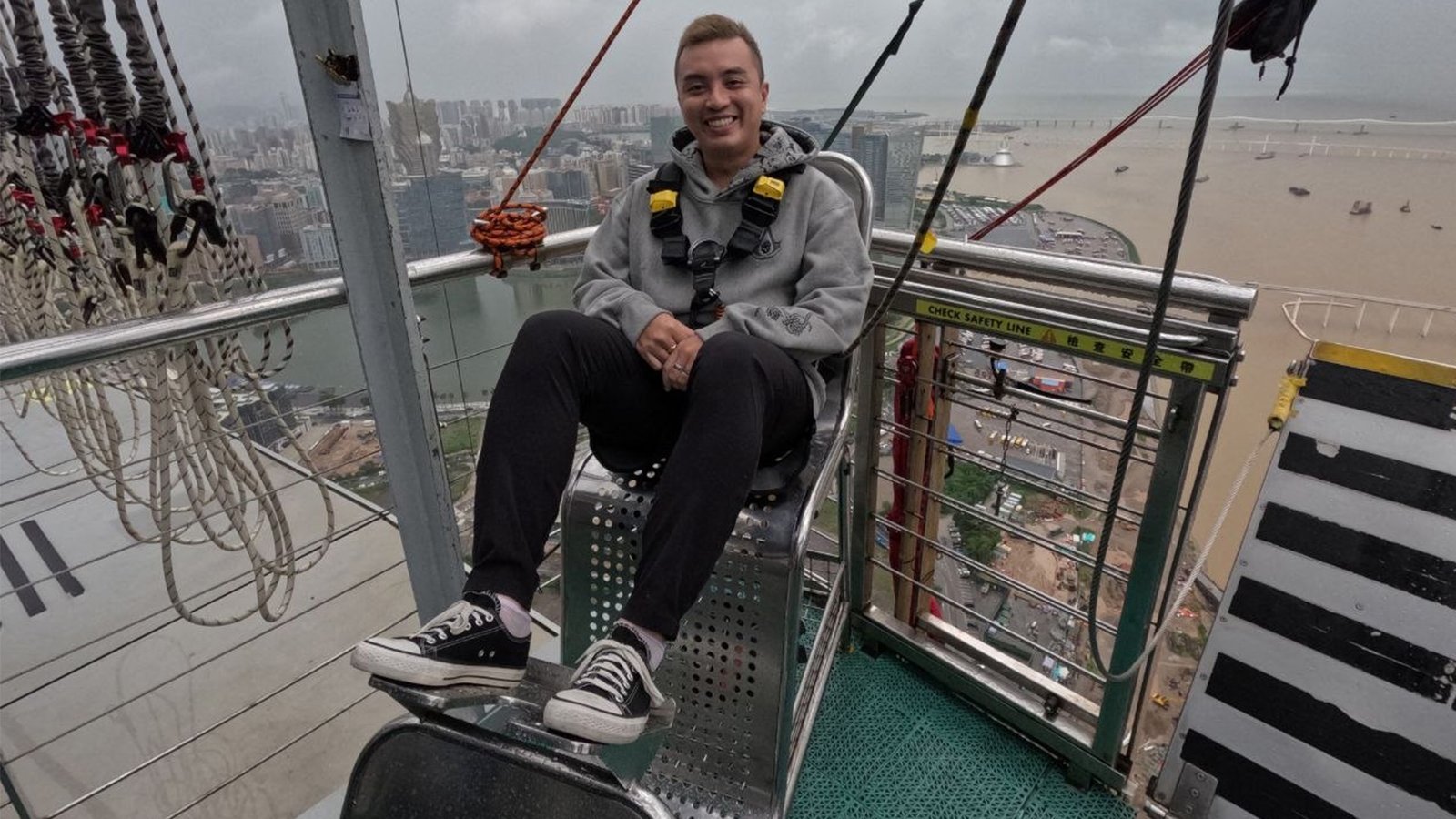
At Skypark Macau, the real-world activation for Assassin’s Creed Black Flag Resynced invited media guests to do something very familiar to long-time Assassin’s Creed fans: take a Leap of Faith.
Only this time, there was no conveniently placed haystack waiting below. The activation involved a bungee jump off the Macau landmark, turning one of the franchise’s most recognisable ideas into something far more physical. It was a fitting backdrop for a follow-up conversation with creative director Paul Fu and producer Justin Ng, because remaking Assassin’s Creed Black Flag was itself a kind of leap for Ubisoft Singapore.
Not because the original needed saving. Quite the opposite. For many players, Black Flag is already one of the most beloved entries in the series. It is the Edward Kenway game, the Jackdaw game, and for some, still the best pirate adventure ever made. That made Assassin’s Creed Black Flag Resynced a tricky proposition from the start. Change too little, and it risks feeling unnecessary. Change too much, and it risks damaging the memory players came back for.
Now that the game is out, Fu and Ng are clearer about what that challenge meant in practice. This was not just about rebuilding an old game for modern hardware. It was about understanding which parts of Black Flag had to remain untouched, which parts could be expanded, and where Ubisoft Singapore had to trust itself enough to step forward.
A Love Letter That Still Had to Land
For Fu, the post-launch response has been encouraging, especially because the team approached the project with a very specific audience in mind. “The amount of positive response was super encouraging,” Fu said. “We were really flattered because we started off doing this as a love letter to the fans.”
That phrase, “love letter,” can often sound like easy-remake language. Here, though, it carries weight because of what Black Flag represents. It was never just another older entry being brought forward. For many fans, Edward Kenway’s journey, the Jackdaw, the Caribbean, and the uneasy balance between piracy and the Assassin-Templar conflict remain defining parts of Assassin’s Creed Black Flag Resynced and the franchise.
Fu said the team understood that pressure from the beginning. “It meant so much for us that we got it and that we need to get it right,” he added.
Ng shared the same gratitude but also grounded it in the reality of shipping a game at scale.
“We were still looking and listening to the feedback,” Ng said. “We can never promise to do everything that players want. I think it’s the reality of every production; we can’t do everything. But we were super happy that we were able to please most of the players.”
That balance matters. Assassin’s Creed is too large, too long-running, and too personal to its fans for any remake to arrive without debate. Assassin’s Creed Black Flag Resynced was always going to be judged not only against the original game but against more than a decade of memory, nostalgia, and expectation.
For Ubisoft Singapore, the relief seems to come less from avoiding criticism entirely and more from knowing that the core intent came through.
The Risk Was Knowing What Not to Change
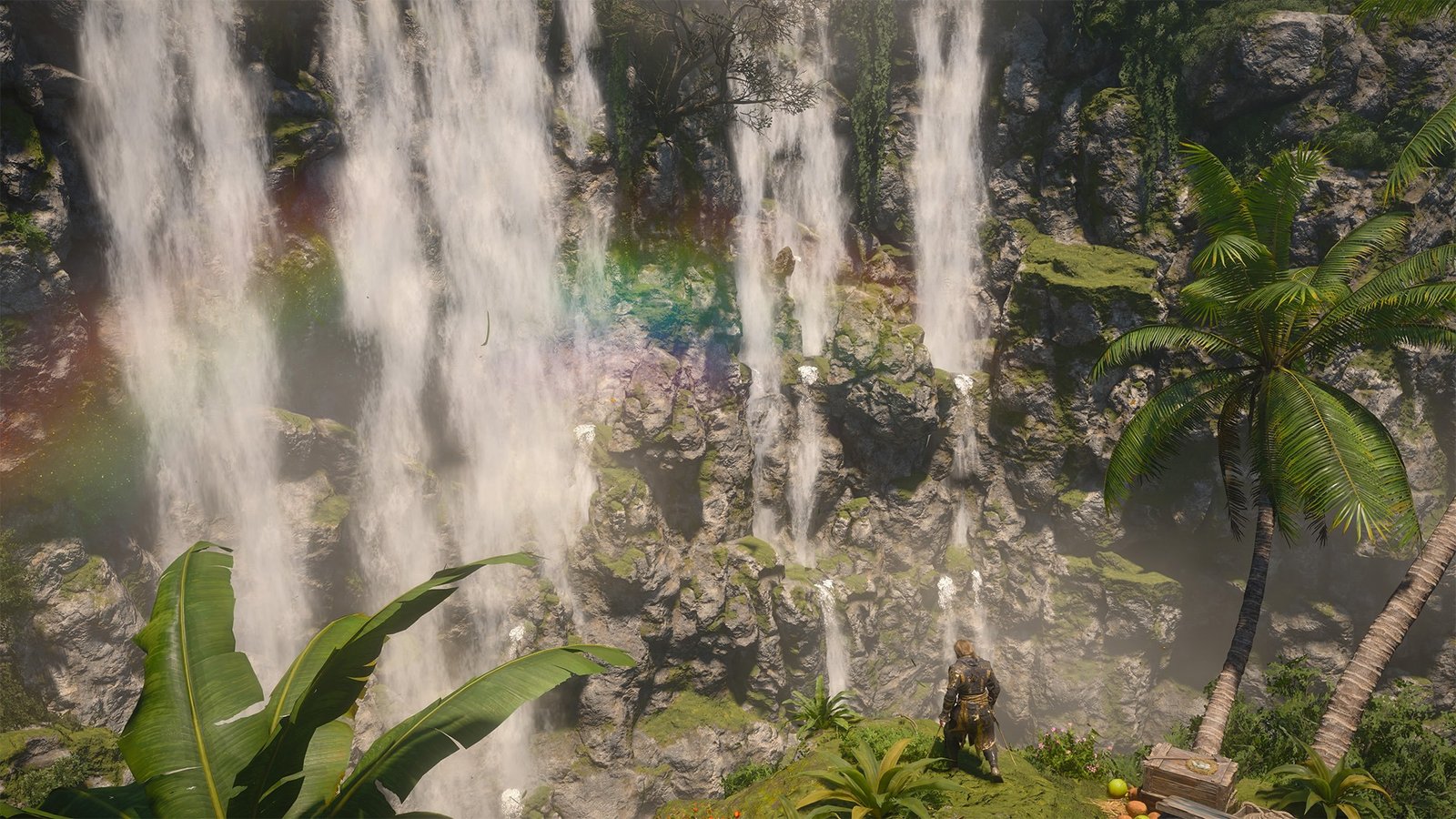
When asked where the team felt most confident pushing the game forward, and where restraint mattered more, Fu was clear about one thing: the original narrative was not something they wanted to rewrite.
“One thing that we definitely pushed forward was that we didn’t want to change the original narrative,” Fu said. “It was already very strong.”
That became one of the project’s defining boundaries. Assassin’s Creed Black Flag Resynced could add new moments, new quest steps, and new content, but Edward Kenway’s core journey had to remain largely intact. That restraint is one of the remake’s most important creative choices.
In an era where remakes can sometimes feel tempted to explain, expand, or reframe everything, Resynced appears to have taken a more careful approach. The team wanted to enhance Black Flag, not replace it. The more difficult part was the new content.
“The thing that we were maybe a little bit afraid to tread on was the new content,” Fu said. “There was a lot of imposter syndrome that went into creating it.”
That is a revealing admission because it gets at the real pressure behind a remake like this. Adding content to a beloved game is not just a matter of filling gaps. It means writing new material that has to sit beside scenes, characters, and moments that players have carried with them for years. Fu said the team checked with key figures involved in the original before moving forward. It was not about changing for the sake of change but making sure any new material felt like it belonged.
That tension sits at the heart of the remake. The boldest thing Assassin’s Creed Black Flag Resynced does is not simply add more, but add carefully enough that the new material can sit beside the original without overwhelming it.
New Officers Had to Echo Edward, Not Overtake Him
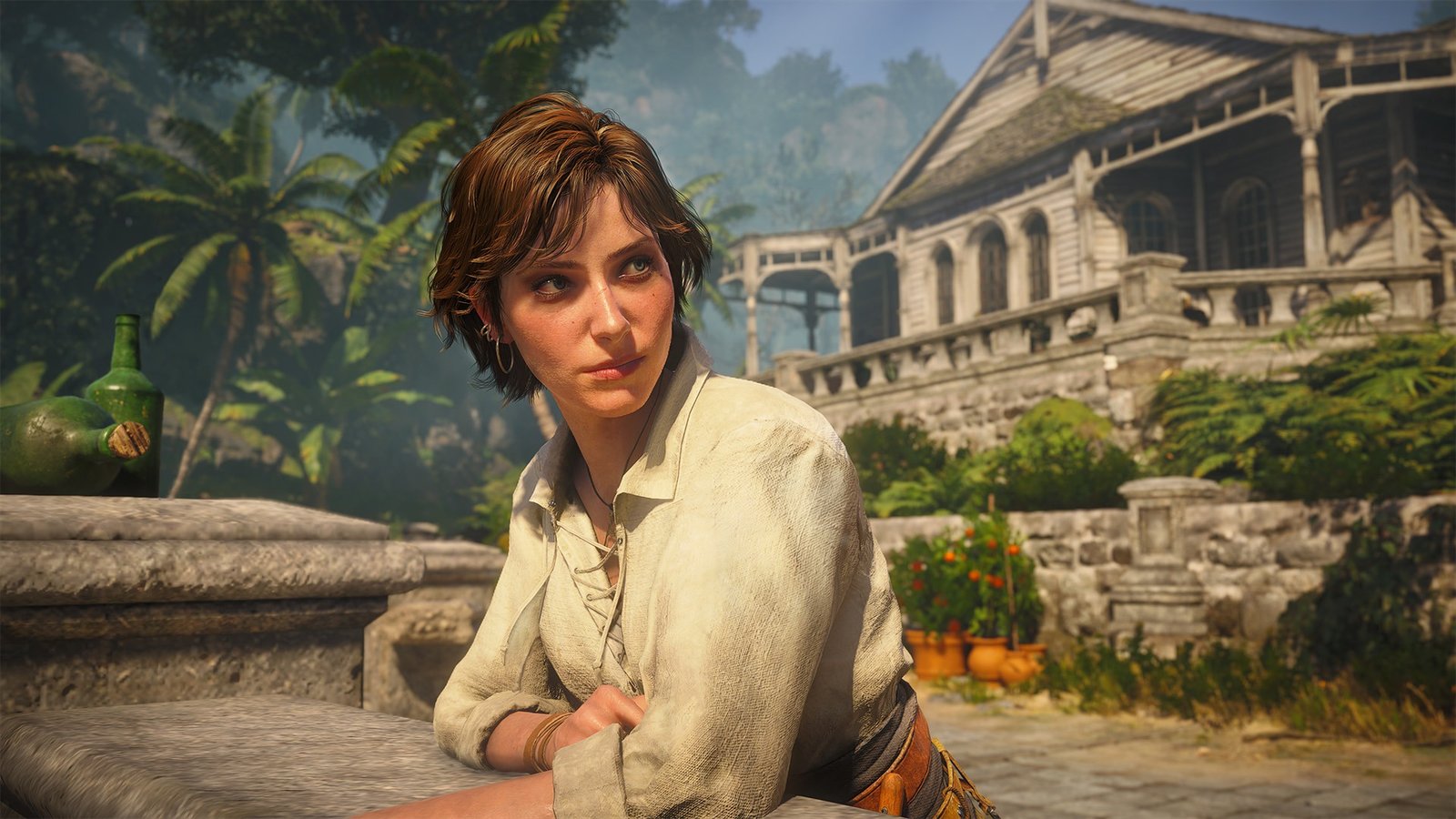
That philosophy is most obvious in the new officers. In our earlier conversation with Fu, he spoke about how the new characters were built around Edward’s growth. This time, he expanded on how the team managed their place within the wider story.
The new content was not placed at the very beginning of Assassin’s Creed Black Flag Resynced. Instead, it appears around sequence four, giving players time to settle back into Edward’s original journey before the remake starts introducing its additional story material.
“We wanted to make sure that it wasn’t the first thing you saw when you played the game,” Fu said. Just as importantly, the officers were built around themes already present in Edward’s arc. “We wanted to make sure that all of the officers felt authentic,” Fu explained. “To do so, we broke down Edward’s main story into several themes: themes of loss, greed, family.”
That helped shape characters who could expand the world without pulling the story away from Edward. Fu singled out Lucy as a personal favourite, while Ng was especially positive about the officers from a wider product perspective.
“Super big fan of the officers because I feel like they add a lot to the story and to the world,” Ng said. For the producer, their value came from how they bridged narrative, history, and mechanics in Assassin’s Creed Black Flag Resynced. Players spend time with these characters on land, learn more about the Caribbean and pirate history, and then bring those relationships back onto the Jackdaw, where officers also add gameplay functions to the ship.
That is where the system makes the most sense. The officers are not there to hijack Black Flag, they are there to widen its emotional and mechanical texture. They give players more reasons to spend time in the world, while still keeping Edward at the centre.
Modern Day Changed, but the Original Still Matters
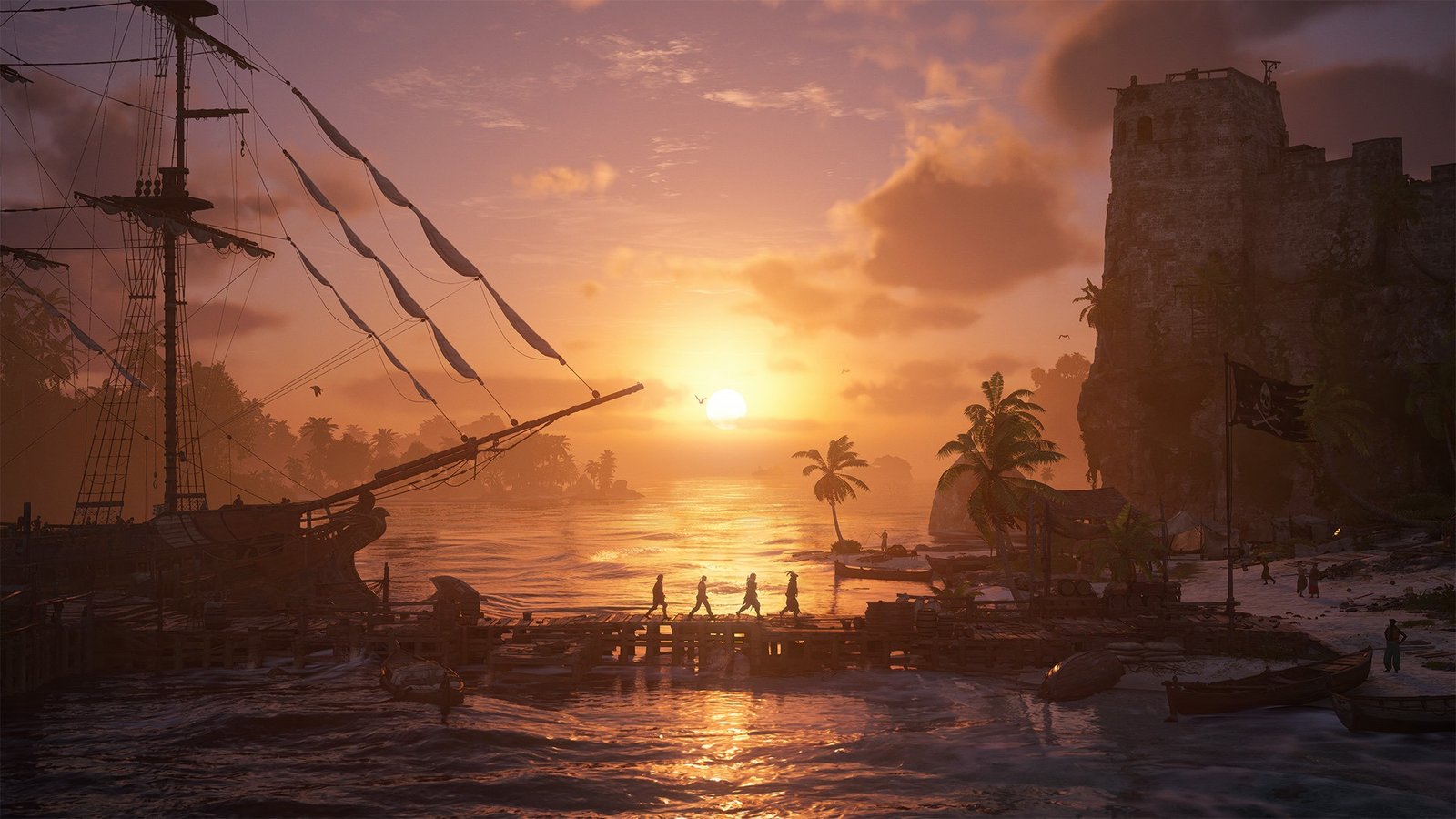
One of the most sensitive changes in Assassin’s Creed Black Flag Resynced was always going to be its treatment of the original modern-day material. Fu acknowledged that sensitivity directly, making it clear that the shift did not come from a lack of affection for the original framing.
“Personally, I’m actually a huge fan of the original modern day,” Fu said.
However, he explained that it felt natural for Resynced to incorporate the Animus Rift structure that has evolved through more recent Assassin’s Creed entries. The team also had conversations with the wider brand to make sure the approach made sense. Crucially, Fu clarified that the original story remains intact within the wider canon.
“The original story is still canon; it still exists; it’s still relevant,” he said. Rather than dismissing the older framing, Assassin’s Creed Black Flag Resynced tries to fold its memory into the remake in a different way. Fu pointed to a completely new main-path cutscene tied to Black Bart Roberts, written by the original lead scriptwriter, Darby McDevitt, which was created as a tribute to the original modern-day material.
For returning fans, the scene is designed to carry added meaning. For newcomers, it still works within the story they are playing now. Ng added that the decision aligned with where the series has moved in recent years.
“With the more recent ACs, the focus has shifted a bit more towards keeping players immersed in the time period or the era or locations they were in,” Ng said.
For Assassin’s Creed Black Flag Resynced, that meant allowing players to stay fully within the Caribbean for longer, rather than breaking the fantasy in the same way the original did. It is a decision that not every veteran will respond to in the same way, but the reasoning is clear. Resynced is not trying to erase what came before, it is trying to make Black Flag fit more naturally into where the series is now.
Ubisoft Singapore Had to Build Its Own Fight
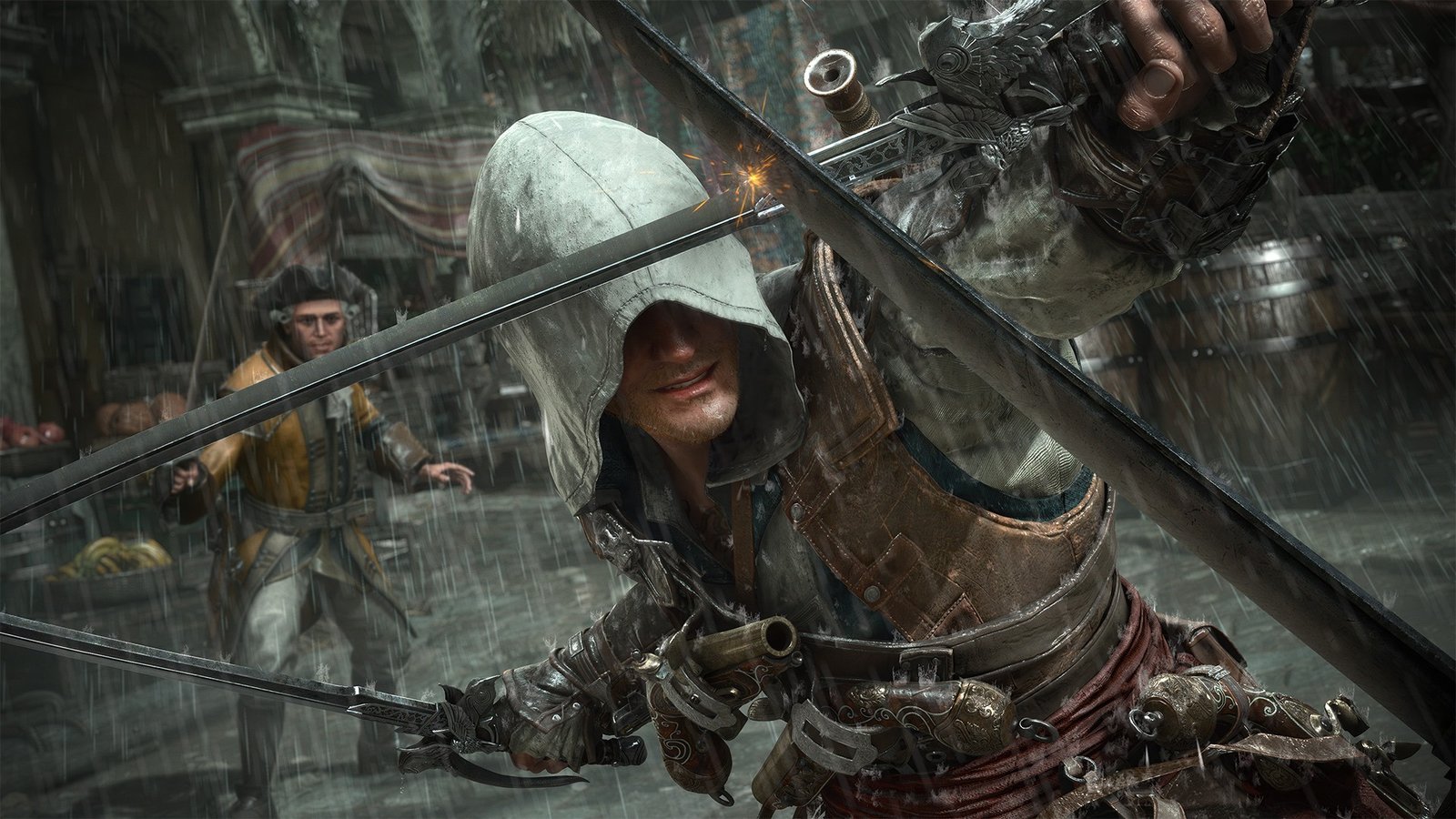
If the narrative demanded restraint, the combat system demanded confidence in Assassin’s Creed Black Flag Resynced. Ng pointed to the fight system, stealth inputs, and manual crouch as areas where the team pushed forward. The crouch change may sound small on paper, but it gives players more agency in stealth, rather than relying on the original game’s automatic behaviour.
“It’s a very small thing, but it really adds a lot to your stealth experience,” Ng said. Combat, however, was the larger challenge. Fu said the fight system in Assassin’s Creed Black Flag Resynced began with a more conservative scope before the team pushed hard for something more dynamic.
“One of the things that I’m really proud of is the fight system,” Fu said. “We started with a more conservative scope for the fight system, but we really pushed very hard to get a flow-driven, action-driven combat.”
Ng highlighted details such as wall takedowns, ground takedowns, destructible objects, and the ability to use the rope dart to pull enemies into crates before finishing them off. For him, those moments represented the system working as intended: expressive, reactive, and enjoyable within the fantasy of Edward as a dangerous, improvisational fighter in Assassin’s Creed Black Flag Resynced.
For Ubisoft Singapore, there was also a larger studio milestone here. Fu described the combat system as a huge hurdle because it was the first time the Singapore studio had created a fight system for Assassin’s Creed. Other Ubisoft teams, including Quebec and Barcelona, helped, but the system itself was driven by Singapore.
“We overcame a huge hurdle because it was the first time this Singapore studio created a fight system,” Fu said.
Ubisoft Singapore has long been associated with the naval side of Black Flag, but Assassin’s Creed Black Flag Resynced asked the studio to own more than the Jackdaw. It asked the team to take responsibility for how Edward moves, fights, reacts, and feels in moment-to-moment play. Fu is proud of what the team achieved, though he is also honest that there are still things he would improve.
“Do I think we could have done better? I think yes,” Fu said.
Given the choice, he said he would have liked to add more side quests, expand more original stories, and spend more time with Adewale. That answer is revealing because it is not defensive. It sounds like a creative lead who has finished the work, seen it land, and can still imagine the version that could have gone further.
Parkour Had to Feel Like Edward
Ng also spoke about parkour, another part of Assassin’s Creed where feel matters as much as function. For Assassin’s Creed Black Flag Resynced, the team looked not only at the original Black Flag, but also at what Assassin’s Creed Shadows had done. Ng noted that Shadows continued to patch parkour with more options and choices during production, making it natural for the Resynced team to study those improvements.
But parkour is not a single feature that can simply be transferred across games. It depends on level design, world layout, animation, and the way all of those pieces support the character.
“It’s how the level is built, how the world is built to be able to use those mechanics,” Ng said. “And then also, the animation is a lot of work that needs to be done to make sure that the character feels like Edward.”
That is an important point because remakes often live or die on details that are difficult to explain. A movement system can have more options and still feel wrong. An animation can be smoother and still lose character. A remake can technically improve something while changing the emotional memory of how it used to feel.
Assassin’s Creed Black Flag Resynced exists between several reference points: the original Black Flag, the modern direction of Assassin’s Creed, and Ubisoft Singapore’s own ambition to fill the gaps between them.
What Making Assassin’s Creed Black Flag Resynced Taught Ubisoft Singapore

By the end of the conversation, the most interesting answers were not about any single feature but about what the project taught Ubisoft Singapore. For Fu, those lessons exist on several levels. Technically, the team needed the right tools, and a lot of groundwork had to be added to the Anvil engine to make Assassin’s Creed Black Flag Resynced possible. Creatively, the lessons were more delicate.
“We had a lot of learnings understanding what was required to make a remake that is beloved by fans all over the world,” Fu said. Some of those lessons were very direct.
“Don’t change the original story,” Fu said. “If it doesn’t have a dialogue choice, don’t add in a dialogue choice.”
Others were subtler: what to motion capture, how to preserve cinematic tone, how to handle cinematography, and even whether a piece of music or sound design felt right for a particular scene. Those may sound like small decisions, but they are exactly the kind of choices that determine whether a remake feels respectful or careless.
In Assassin’s Creed Black Flag Resynced, authenticity was not just about recreating assets. It was about understanding the original’s invisible language. Ng’s closing reflection was more human. For him, the biggest lesson was that Assassin’s Creed is deeply loved and that love guarantees scrutiny.
“No matter what we do, there will always be critics,” Ng said. “It’s important to remind people that humans are the ones making the games.”
It is a simple point, but it is still important because Assassin’s Creed Black Flag Resynced is the kind of project that invites strong feelings. Players are not just responding to mechanics, graphics, or content volume. They are responding to memory.
That is what made the Macau activation feel oddly appropriate. A Leap of Faith is not just about jumping. It is about trust. Trusting the fall, trusting the work, and trusting that the thing waiting below will hold. For Ubisoft Singapore, Assassin’s Creed Black Flag Resynced was that leap. It asked the studio to honour a beloved original, expand it without overwhelming it, and prove that it could take fuller ownership of an Assassin’s Creed experience beyond the waters it helped define.
Not every choice will land the same way for every player, and the team knows that. But after speaking with Fu and Ng, what stands out is how seriously Ubisoft Singapore treated the responsibility. Black Flag was never just another remake candidate. It was a memory players had protected for years.
With Assassin’s Creed Black Flag Resynced, Ubisoft Singapore had to jump anyway, and for what it’s worth, the team definitely landed safely in a haystack and walked away looking sauve and ready for the next adventure.
Assassin’s Creed Black Flag Resynced is available now on PlayStation 5, Xbox Series X|S and PC.
