

Table of Contents
Reviewing the ROG Xbox Ally X20
Gold accents and a translucent shell give ASUS’s ROG Xbox Ally X20 the appearance of a collector’s piece, but the more persuasive upgrade sits between its controls. A larger OLED screen finally gives this anniversary handheld a display worthy of its premium ambitions.
Part of ROG’s 20th-anniversary hardware collection, the ROG Xbox Ally X20 combines that panel with revised inputs and cooling. At SG$2,099 for Singapore’s standalone model, however, it carries expectations that familiar processing hardware cannot entirely satisfy. The question is how much a better-looking, better-equipped handheld experience is worth.
OLED Gives Familiar Games Fresh Appeal
The move from a 7-inch LCD to a 7.4-inch OLED panel matters beyond the modest size increase. Individually illuminated pixels allow deep blacks alongside strong contrast, giving dark interiors more depth and colourful environments more impact. It upgrades the presentation of games without requiring changes to graphics settings.
Resolution remains 1920 × 1080, paired with a 120Hz refresh rate and FreeSync Premium Pro. Variable refresh rate helps smooth out performance fluctuations, although it cannot fix every stutter or make a demanding game run at the panel’s maximum refresh rate.
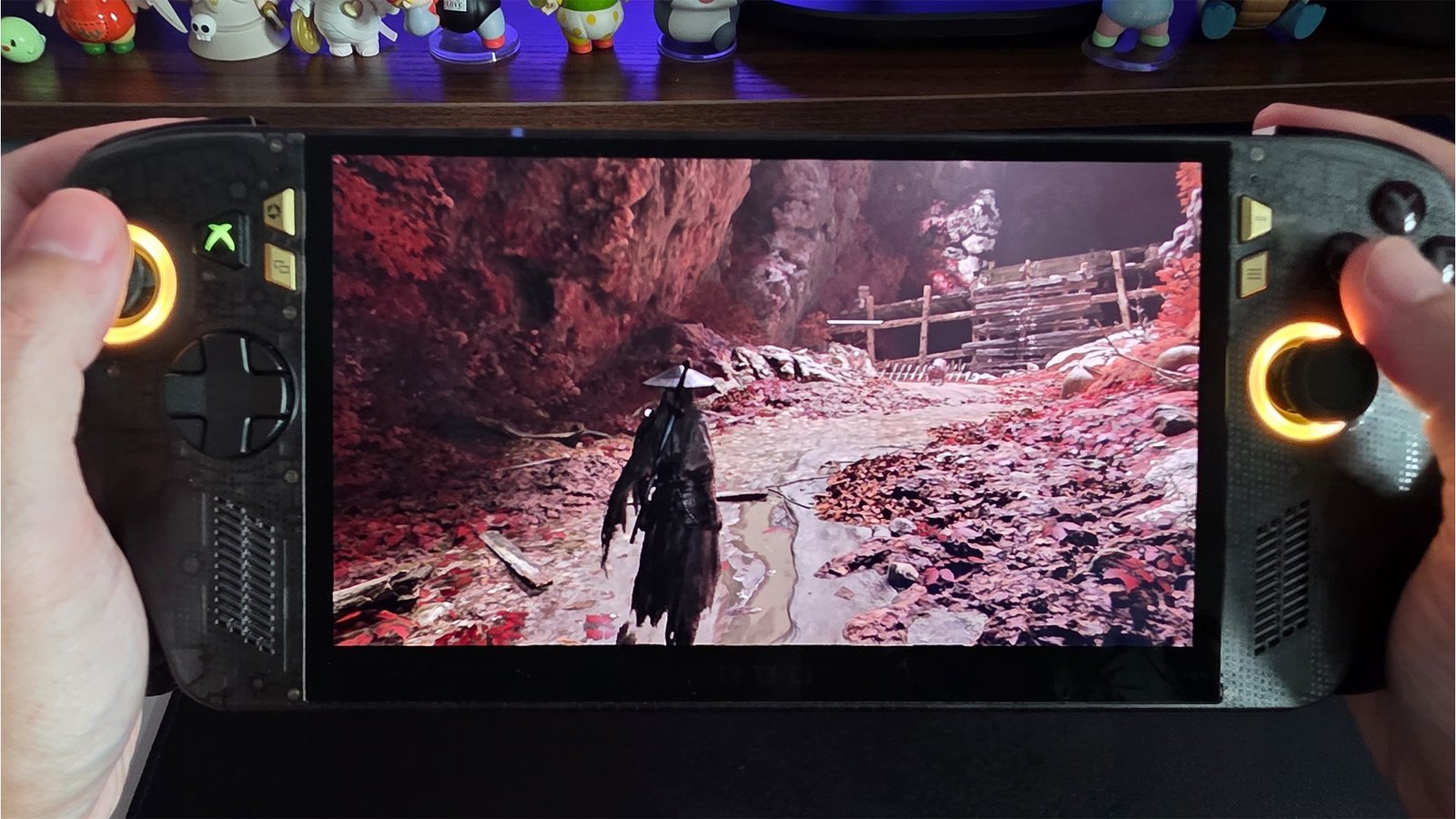
The ROG Xbox Ally X20 touts 600-nit SDR brightness and up to 1,400 nits in HDR, alongside Dolby Vision and DisplayHDR True Black 1400 certification. Anti-reflective glass also helps with glare, but does not make every sunlit setting equally suitable for play.
Better Controls Carry Real Weight
The controller-inspired handles remain central to the ROG Ally X20’s design, now with rubberised surfaces for a firmer grip. Rounded face buttons require less force, while reshaped bumpers contribute to a revision focused on the inputs players use constantly, rather than anniversary decoration alone.
TMR thumbsticks use magnetic sensing to detect movement, reducing dependence on the wearing contacts associated with conventional stick drift. That is a welcome consideration for long-term ownership, although drift resistance shouldn’t be a blanket promise against every possible fault. The transforming D-pad adds flexibility, rotating between four-way and eight-way configurations to suit different genres and preferences.
Impulse triggers, HD haptics and two assignable rear buttons complete a versatile control setup. At 756g, though, the ROG Xbox Ally X20 remains substantial. Improved grips can make its weight easier to manage, but long sessions with unsupported arms still warrant consideration; this is a handheld for a bag, not a pocket.
Familiar Power Sets the Boundaries
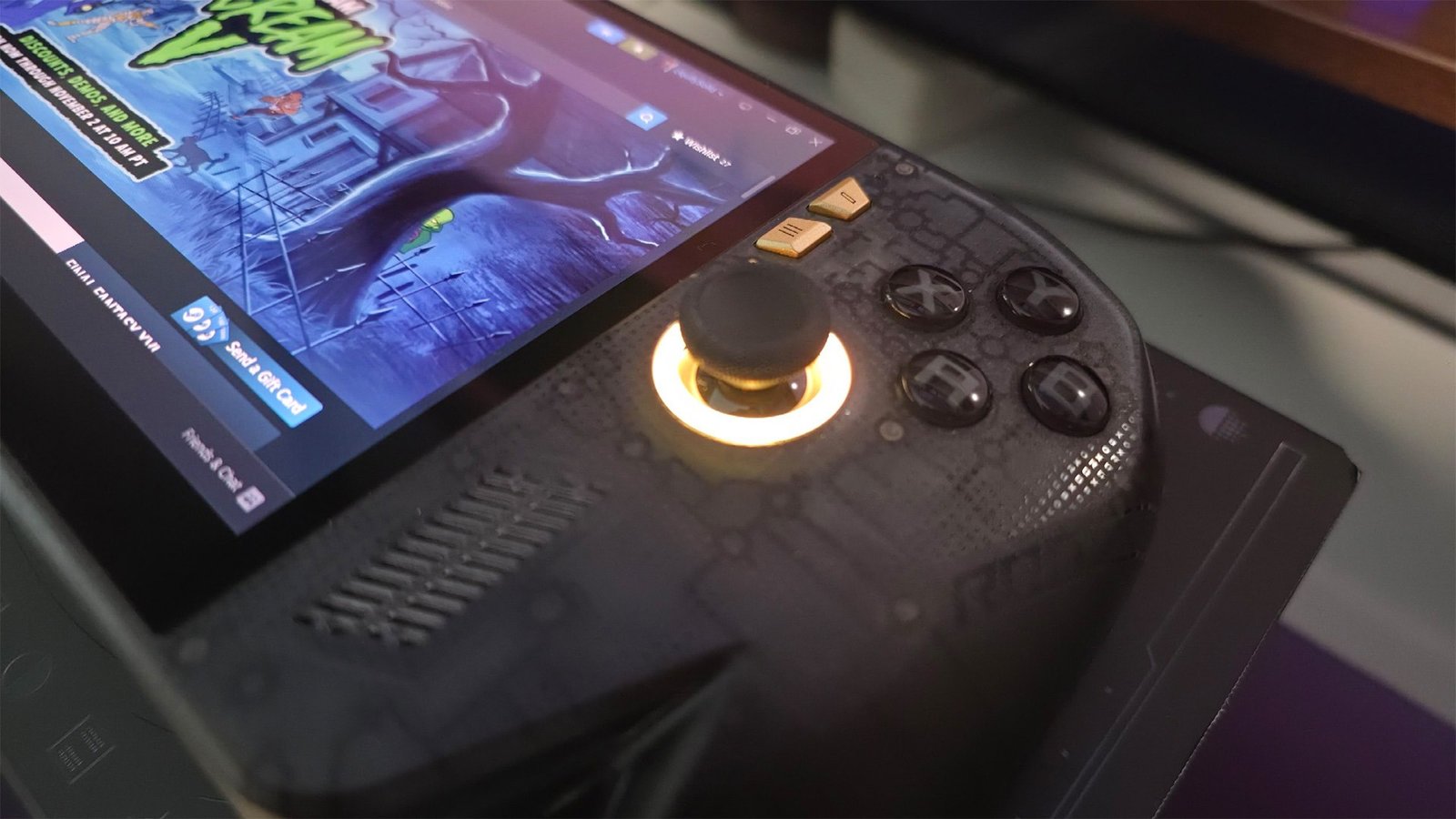
The AMD Ryzen AI Z2 Extreme processor, Radeon 890M graphics and 24GB of LPDDR5X memory provide a capable foundation. They also establish the limit of this refresh: the ROG Xbox Ally X20 offers broadly familiar gaming performance compared with the preceding Xbox Ally X.
Demanding releases still require choices about resolution, visual effects, and power consumption. Reducing expensive settings or rendering below 1080p can be more useful than pursuing the sharpest possible image at an inconsistent frame rate. Less demanding games offer greater scope to enjoy the screen’s refresh rate without those compromises.
Upscaling reconstructs a higher-resolution image from a lower-resolution render, while frame generation can improve apparent fluidity in supported games. Neither should be confused with an equivalent increase in native rendering performance. The ROG Xbox Ally X20 also has Auto SR preview support, which remains a developing feature rather than a guaranteed improvement across the library.
Revised cooling adds practical refinement, including attention to heat around the OLED panel. It doesn’t change the processor’s capabilities, and plugged-in Turbo operation can still bring noticeable fan noise. Existing Xbox Ally X owners therefore have little reason to expect a dramatic performance upgrade.
Xbox Familiarity Meets PC Flexibility
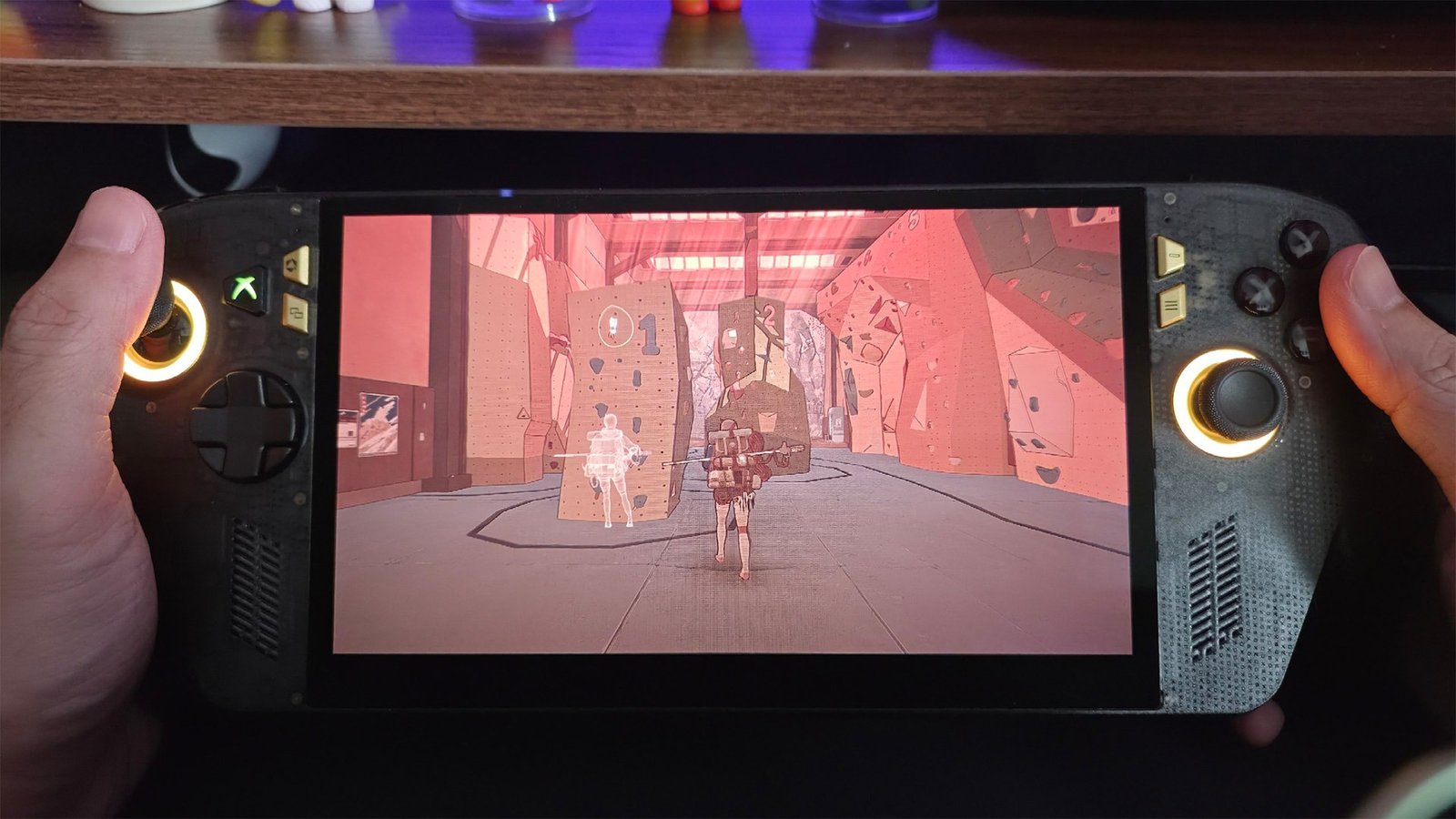
Microsoft’s Xbox interface gives the ROG Xbox Ally X20 a more approachable starting point than a desktop crowded onto a small screen. Xbox Mode supports controller navigation, while Armoury Crate SE provides access to power profiles, input customisation and device settings.
Windows 11 Home also opens the door to PC storefronts including Steam and Epic Games. That flexibility suits players with established libraries across several services, although Xbox branding does not mean every console purchase automatically includes a downloadable PC version. Xbox Play Anywhere benefits apply to participating titles. If you wanted, you could also play PlayStation games through the Remote Play app.
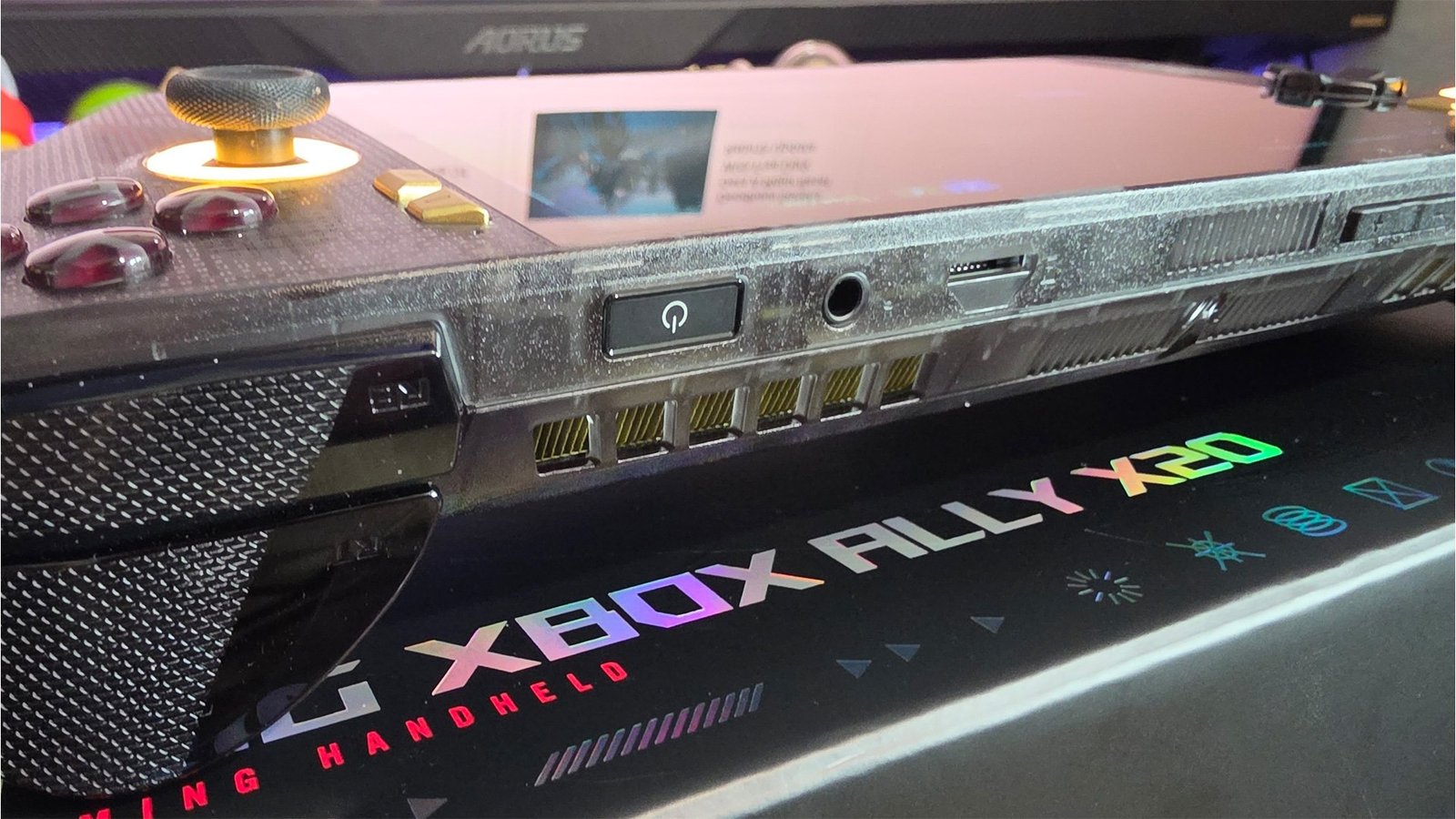
The 1TB SSD provides useful starting capacity, with microSD Express expansion available as the library grows. Two USB-C ports, including USB4, support peripherals and external displays, while Bluetooth allows a separate controller or headset to join the setup.
That creates a useful route from handheld play to a TV or monitor, provided the appropriate connection or dock is available. It also leaves Windows responsibilities intact: launcher sign-ins, updates and occasional desktop navigation remain part of ownership. Convenience has improved, but some configuration is still expected on the ROG Xbox Ally X20.
Portability Depends on How You Play
An 80Wh battery gives the ROG Xbox Ally X20 a substantial reserve, but demanding gaming can still consume it within a few hours. Roughly two to four hours provides a useful guide across gaming power profiles, with the actual result depending on the game, brightness and settings.
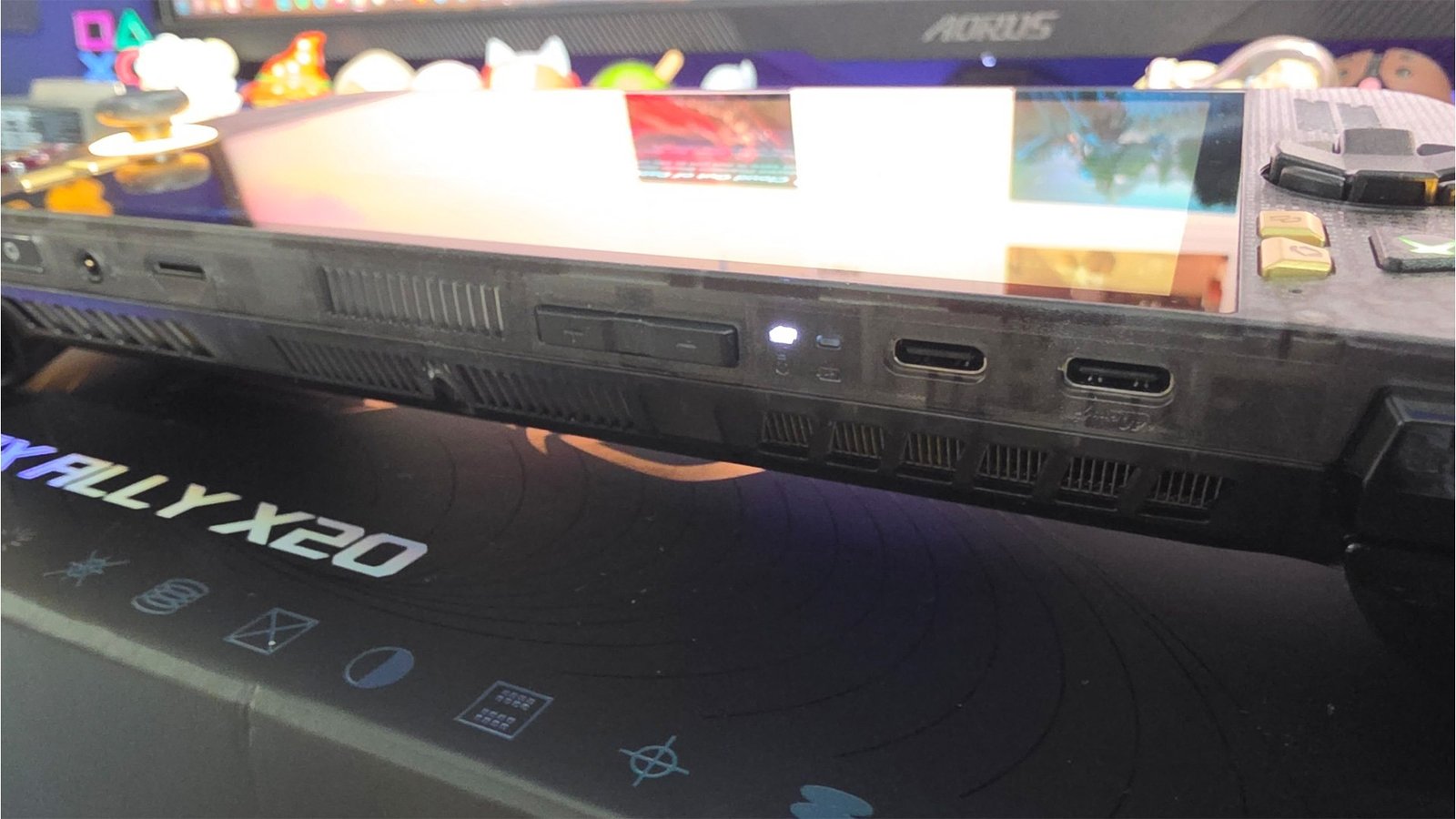
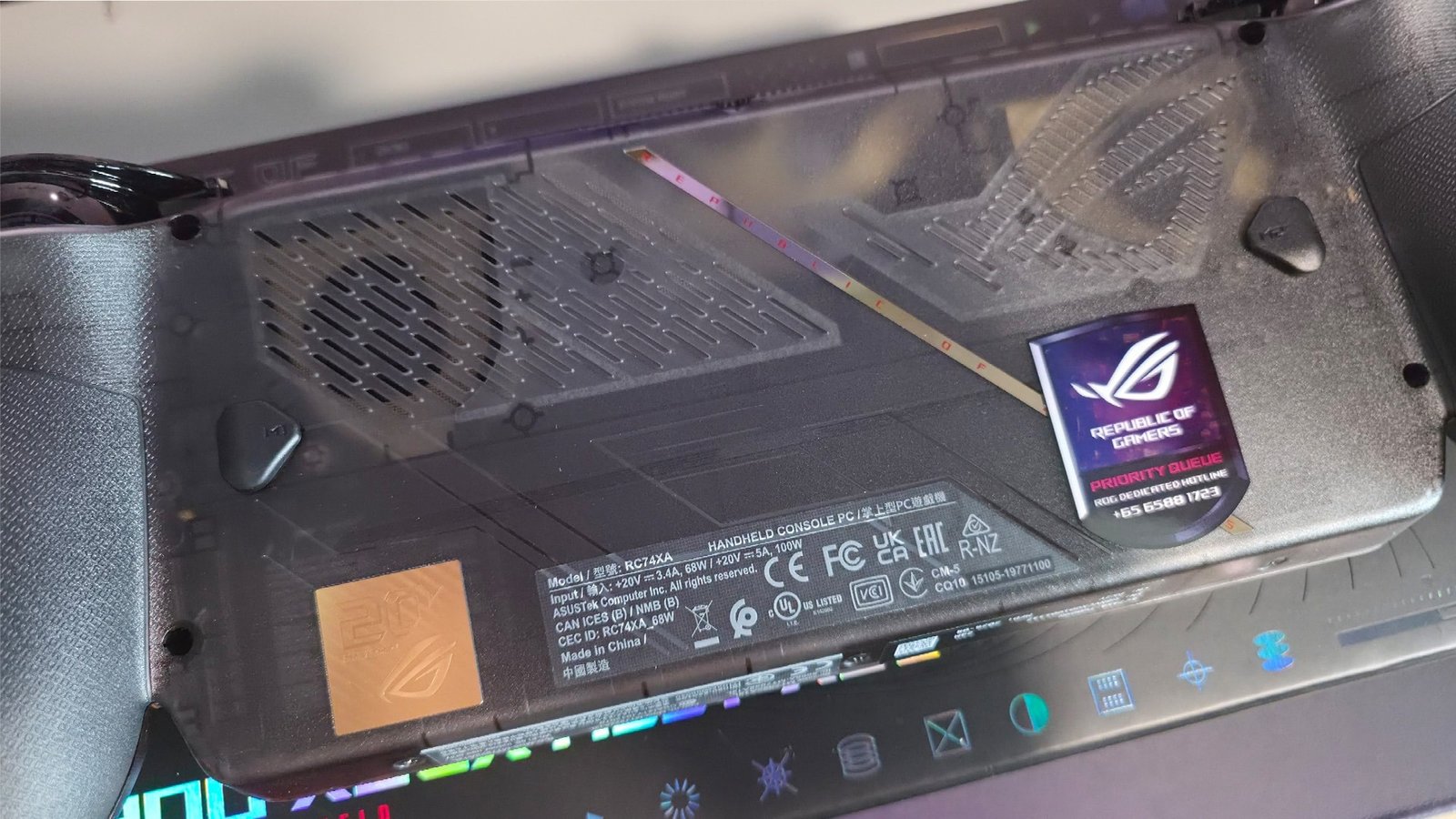
Lower power limits make more sense for lighter games, while demanding releases may justify shorter sessions at higher settings. The practical benefit is choice: a brief commute and a lengthy flight call for different compromises, rather than one universal performance profile.
Thankfully, local sets include a 68W USB-C adapter, avoiding the need to buy a separate charger. Between handheld use and external-display support, the ROG Ally X20 offers flexibility at home and on the move, though carrying a charger remains sensible for longer journeys.
The Premium Needs a Personal Justification
At SG$2,099, the Singapore’s RC74XA-TW009W model is a more direct proposition than the earlier SG$3,599 bundle with XREAL glasses and accessories. Two months of Xbox Game Pass Premium are included, subject to eligibility and applicable terms.
The previous Xbox Ally X’s SG$1,499 store listing still leaves a SG$600 gap, about 40%. That premium primarily buys the larger OLED display, revised controls and anniversary treatment, rather than substantially higher frame rates. Those priorities matter more than the promotional extras.
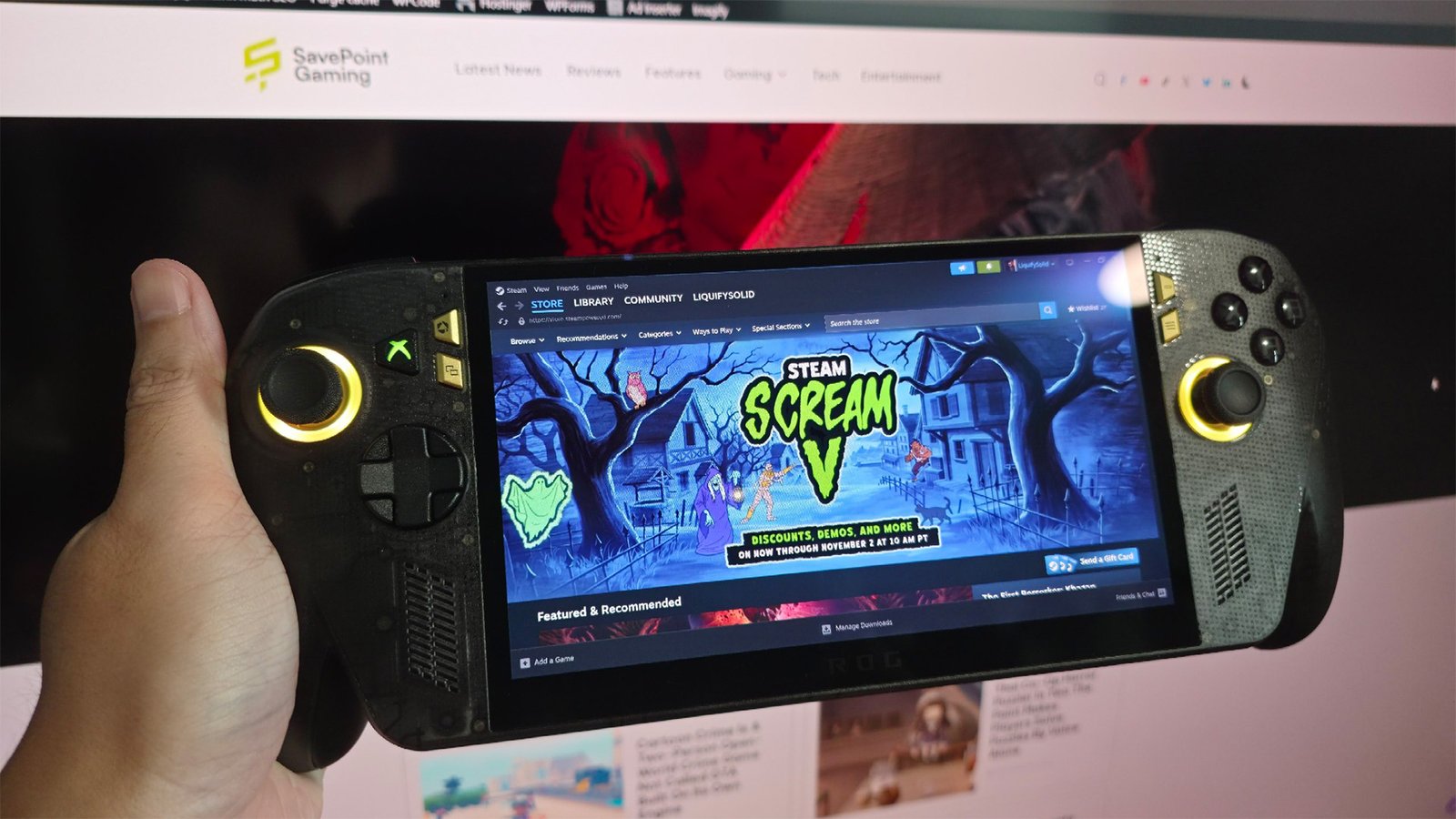
For newcomers who value presentation and controls, the ROG Xbox Ally X20 offers a compellingly polished entry into Windows handheld gaming. Existing Xbox Ally X owners face a harder decision: the improvements are tangible, but their value depends on how strongly that screen appeals. It is an attractive refinement, but its price demands a specific reason to upgrade.
The ROG Xbox Ally X20 will be available from December. Pre-orders will begin on November 16, with customers receiving a complimentary 30cm ROG SAGA OMNI Plush Pal when ordering through the ASUS Online Store and ASUS Exclusive Store at Funan.
DID YOU KNOW: You can get 5% off all eligible ASUS/ROG laptops, desktops, AiO PCs, and gaming handhelds (excluding pre-orders) with this exclusive code: SPG5OFF.
SavePoint Score
Summary
The ROG Xbox Ally X20 pairs a striking OLED display with thoughtful control upgrades, making its familiar hardware more appealing, especially for newcomers. Limited performance gains and premium pricing narrow its audience to buyers who prioritise presentation and comfort, however.
