

Table of Contents
Exploring The Long-Awaited Series Return With Onimusha: Way of the Sword
Onimusha: Way of the Sword is finally here, and after spending plenty of time with Capcom’s long-awaited revival, we think the 20-year wait has ended with another absolute winner. It is the culmination of several promising trailers, demos and our own earlier hands-on preview and interview, but potentially also a new beginning for a series that had gone without an entirely new entry since Onimusha: Dawn of Dreams in 2006.
At Gamescom 2026, I sat down with producer Akihito Kadowaki and director Satoru Nihei to discuss how Capcom brought Onimusha back, what two decades of action-game evolution meant for its swordplay, the cinematic influences behind Miyamoto Musashi, the surprisingly smooth addition of Nintendo Switch 2, and whether the series could have a future beyond Onimusha: Way of the Sword.
Kadowaki’s career at Capcom has included work across Sengoku BASARA and Monster Hunter, while Nihei similarly worked on the former before contributing to projects including Dragon’s Dogma Online and Exoprimal.
In the 20 years since Dawn of Dreams, both Capcom and melee-focused action games have changed dramatically. Rather than simply modernising Onimusha by following everything that came after it, though, Kadowaki and Nihei repeatedly returned to the same question during our conversation: what should a modern Onimusha actually feel like on its own terms?
The surprise reveal of a new Onimusha arrived at the end of 2024, but Capcom had wanted to revive the series for considerably longer. What it lacked was the right combination of people, technology and opportunity.
Capcom Had Wanted to Revive Onimusha for Years
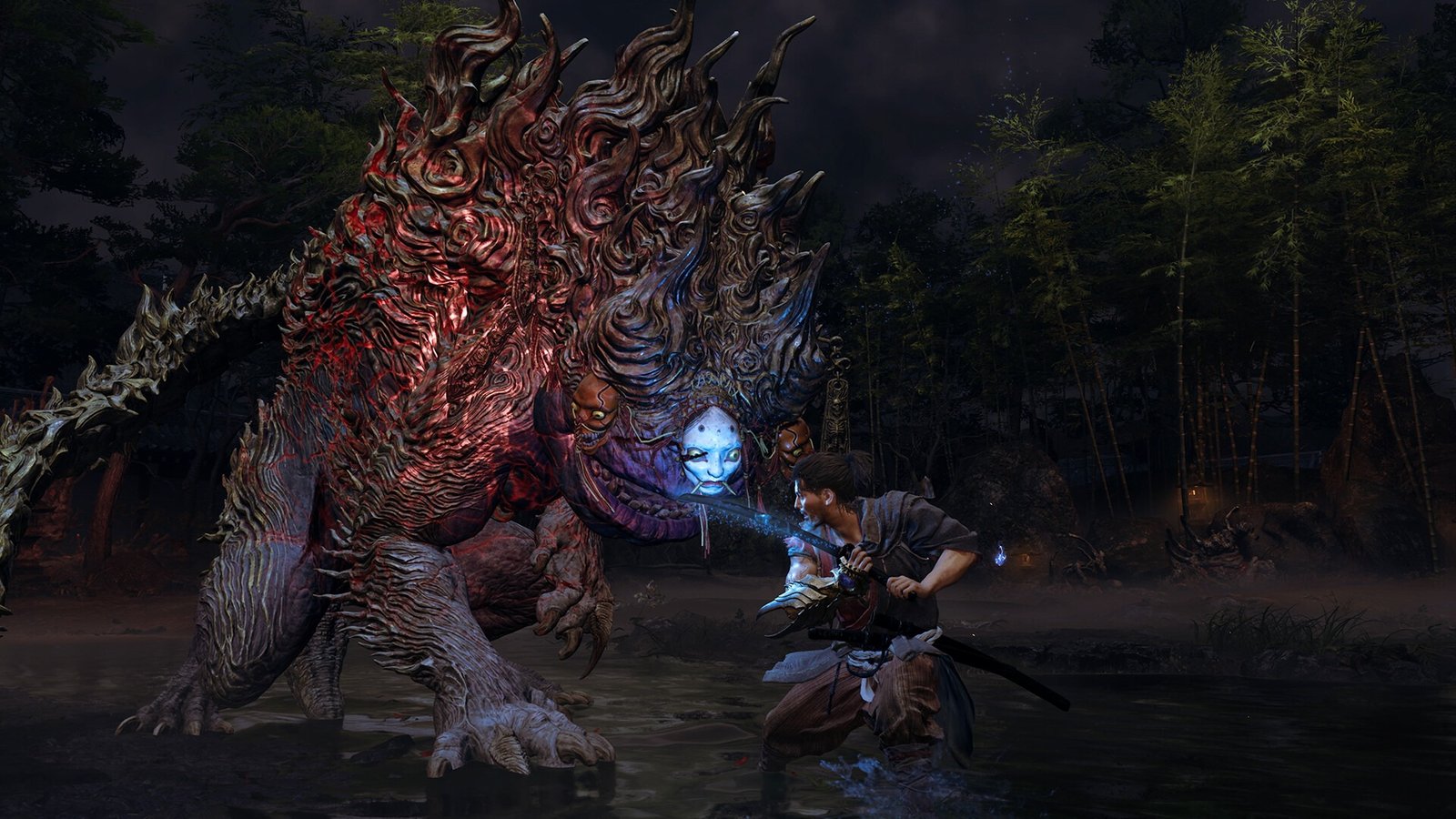
Nihei pinpointed 2020 as the year when Onimusha: Way of the Sword began to take shape. “The initial concept of the project came about in 2020, at the beginning, when we kind of really started nailing down what we wanted to achieve,” he explained.
That did not mean the idea of another Onimusha had suddenly appeared.
“There’s always been many voices within the company that have wanted to make a new Onimusha. The conversation has come up many times; we didn’t really have the people or right members kind of assembled together.”
By 2020, other projects were wrapping up, and the necessary developers began becoming available. At the same time, RE Engine had increasingly established itself as Capcom’s technological foundation for a new generation of games. The different pieces finally lined up.
“It was just really good timing to have all those elements in place and having a new plan in place to get fully rolling in.”
That timing mattered because bringing Onimusha back after two decades could not simply mean recreating what worked in 2006.
Modern Sword Games Made Capcom Look Inwards
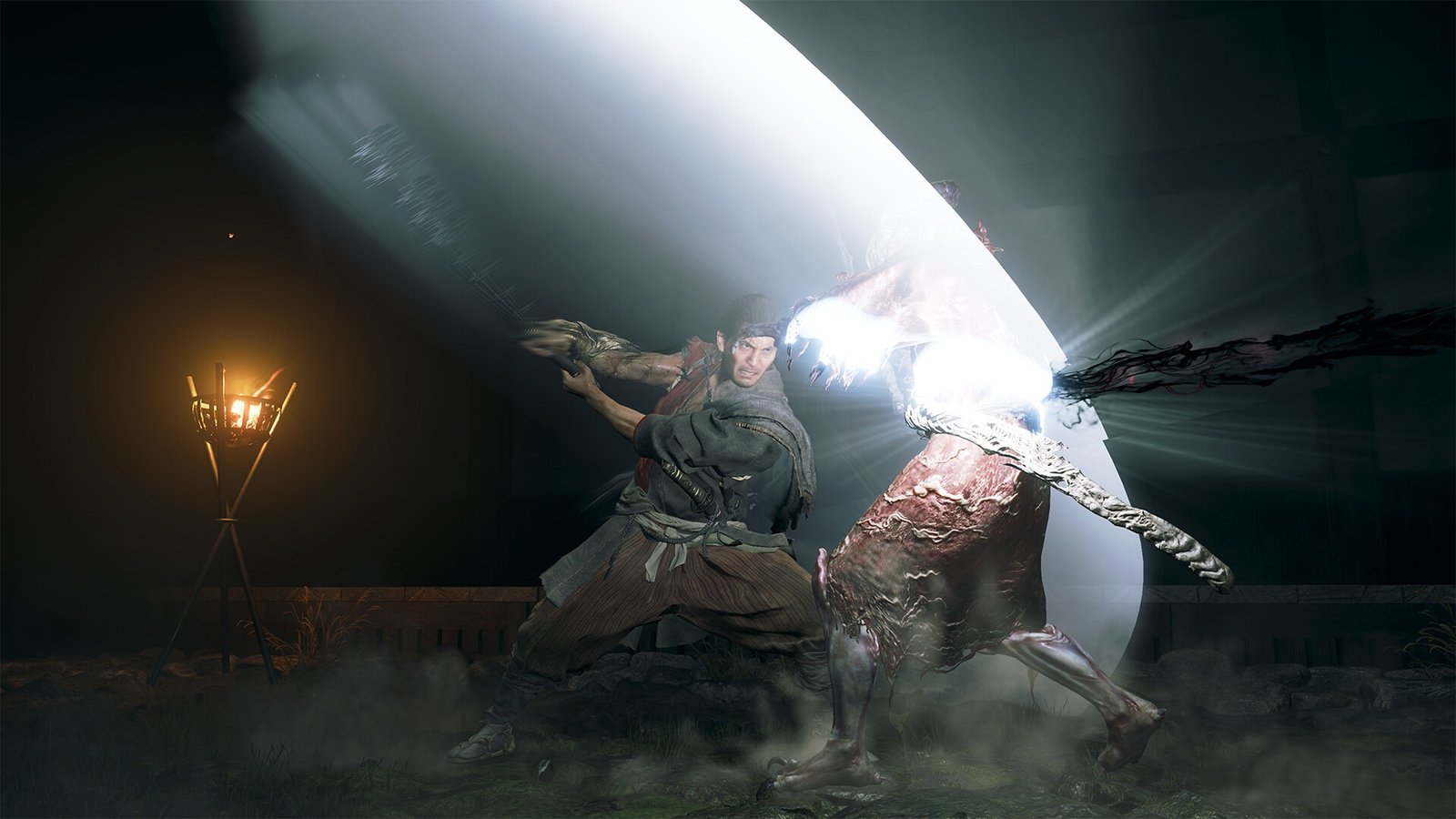
Action games built around swords have changed considerably since the last new Onimusha. After playing Onimusha: Way of the Sword, comparisons to games such as Sekiro: Shadows Die Twice are difficult to completely avoid. Parrying, stamina management and committing to attacks are now familiar parts of modern melee action design.
For Capcom, however, the success of those systems elsewhere made finding Onimusha’s own identity even more important.
“The influence is that we didn’t want to follow the same track as a lot of those other games,” Nihei said. “One of the key challenges of development was trying to figure out how we could make the action in our game stand out.”
Parrying became one example of that philosophy.
“We looked at it and thought, ‘How can we make it unique to Onimusha?’ and from that came the concept of the ‘Blazing State’, which then feeds into the soul generation.”
Rather than treating a successful defence purely as a brief opportunity to counterattack, Onimusha: Way of the Sword connects repeated Deflects with Blazing, allowing Miyamoto Musashi to increase the health and stamina damage he deals while tying the mechanic back into the series’ familiar relationship with souls.
That approach extends through much of its combat. Musashi largely relies on his katana rather than cycling through a conventional arsenal, with Oni Armaments providing more situational alternatives. Attacks also carry commitment, while specialised abilities give skilled players ways to Deflect, parry and turn defence back into offence.
The result is recognisably influenced by how action games have evolved, but it rarely feels interested in simply becoming Capcom’s answer to somebody else’s sword game.
Samurai Cinema Shaped Onimusha: Way of the Sword Without Becoming a Blueprint
The influence of classic samurai cinema is similarly difficult to ignore. Capcom licensed Toshirō Mifune’s likeness for its interpretation of Miyamoto Musashi, immediately evoking one of Japanese cinema’s most recognisable faces. Mifune himself famously played Musashi in Hiroshi Inagaki’s Samurai Trilogy.
That does not mean Onimusha: Way of the Sword was consciously built by reproducing those films. Nihei explained that he “grew up watching a lot of these movies”, as did many members of the development team, so their influence was naturally present even without deliberately referencing specific moments.
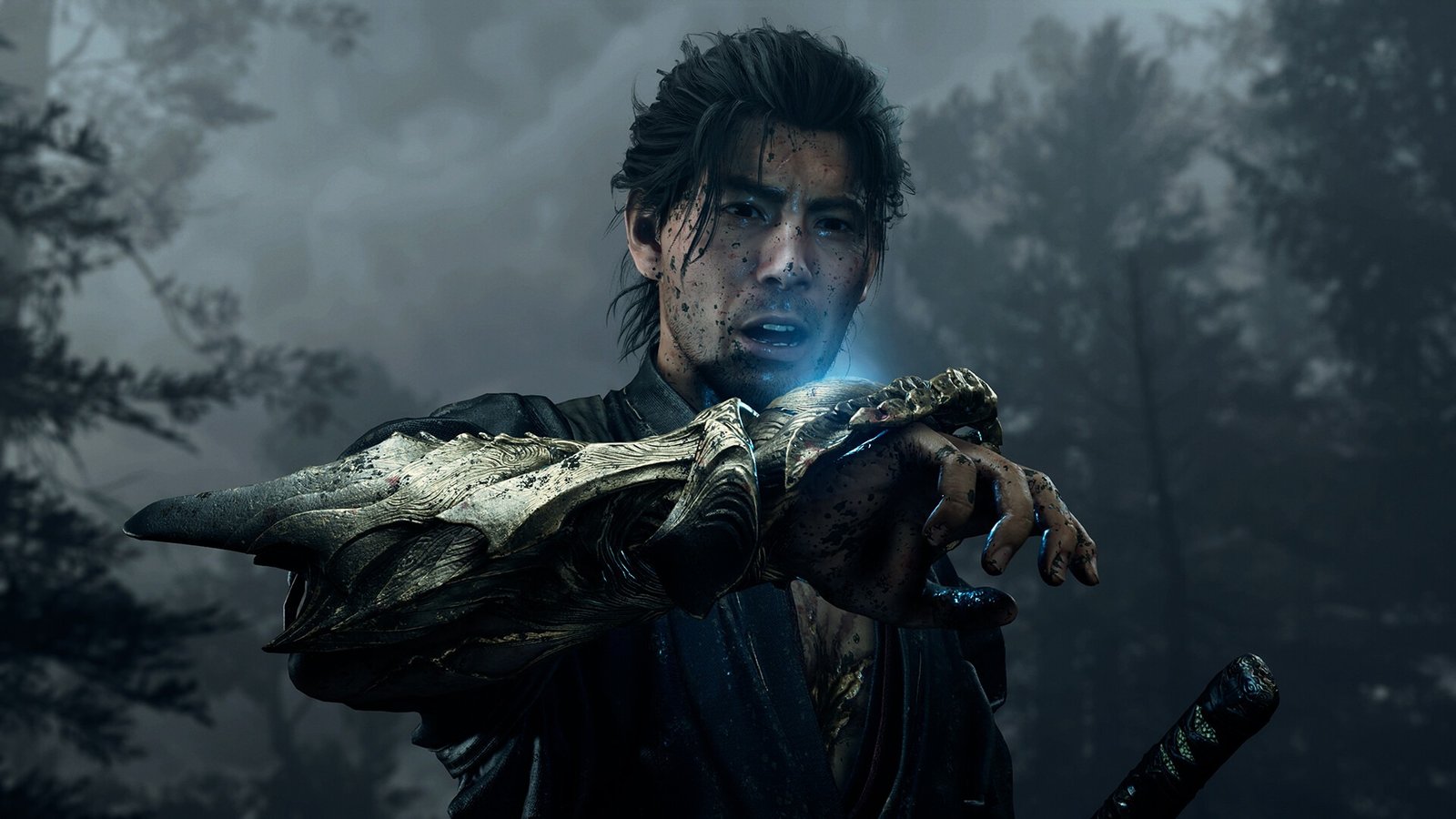
What Capcom was interested in capturing was some of their physicality, grit and grounded approach to sword fighting. The same desire to respect the past without becoming beholden to it applies to Onimusha itself.
When asked how directly Onimusha: Way of the Sword connects to previous games, Nihei described it as a “fresh start”. After 20 years, he said it had become “very difficult to tie directly into the story, characters, and lore of the older titles”.
Returning players will recognise familiar concepts, terminology, and elements of Onimusha DNA, but those elements have been altered or adapted to fit this interpretation. That gives Capcom considerably more freedom. Onimusha: Way of the Sword can acknowledge what made Onimusha recognisable without asking someone picking up the series for the first time in 2026 to understand several games of continuity beforehand.
RE Engine Made the Switch 2 Version a Pleasant Surprise
Another change arrived much later in development. Nintendo Switch 2 was not something Capcom could realistically have planned around when Onimusha: Way of the Sword entered production in 2020, yet the platform is receiving the game alongside PlayStation 5, Xbox Series X|S and PC.
Capcom has already impressed us with how titles, including Resident Evil Requiem and Pragmata, translated to Nintendo’s hardware, so we asked whether adding another platform during development had created problems for the team. According to Nihei, RE Engine made the process significantly easier than might be expected.
“Because we have RE Engine as the base for all of our games, there wasn’t anything that could be challenging or difficult. It’s very well optimised for bringing games to Switch 2, as we’ve obviously seen this year.”
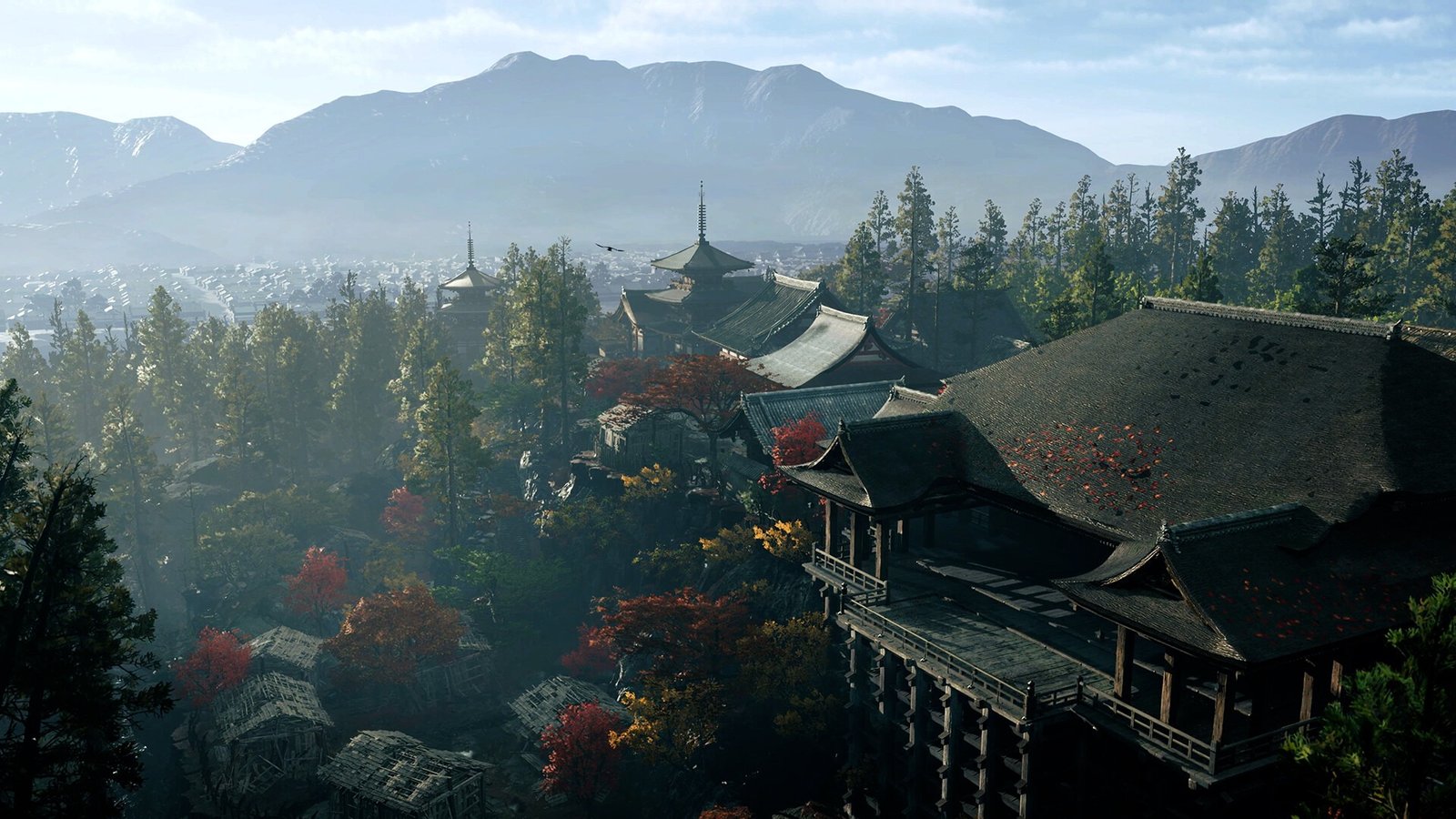
Kadowaki added that support for Switch 2 only became part of the plan after Nintendo unveiled the hardware. Introducing a new target platform midway through development would normally be “a very difficult and quite scary thing to do”, he explained.
Instead, Capcom’s programmers quickly put together an early Switch 2 version, and its initial results gave the team enough confidence to continue. It is an interesting reflection of how important Capcom’s investment in RE Engine has become. The technology not only helped make the revival possible in the first place; it also gave Way of the Sword another platform relatively late in its development cycle.
Capcom Still Wants a Future for Onimusha
Now that Onimusha: Way of the Sword is out, the obvious question is whether this really is the beginning of another era for the series. Our own review found plenty to love, particularly in a combat system that continues opening up new ways to punish the Genma as Musashi grows stronger. The positive response surrounding the revival inevitably makes it tempting to look beyond this game.
Kadowaki is interested too, although he was careful not to promise anything.
“There’s a desire to make more Onimusha games in the future. Obviously not committing to anything at the moment, but yeah, hopefully,” he said.
For the time being, Capcom’s focus remains on Onimusha: Way of the Sword and ensuring both the new game and its efforts to bring older Onimusha titles back reach players successfully. Nihei is particularly hopeful that the revival’s new characters will endure.
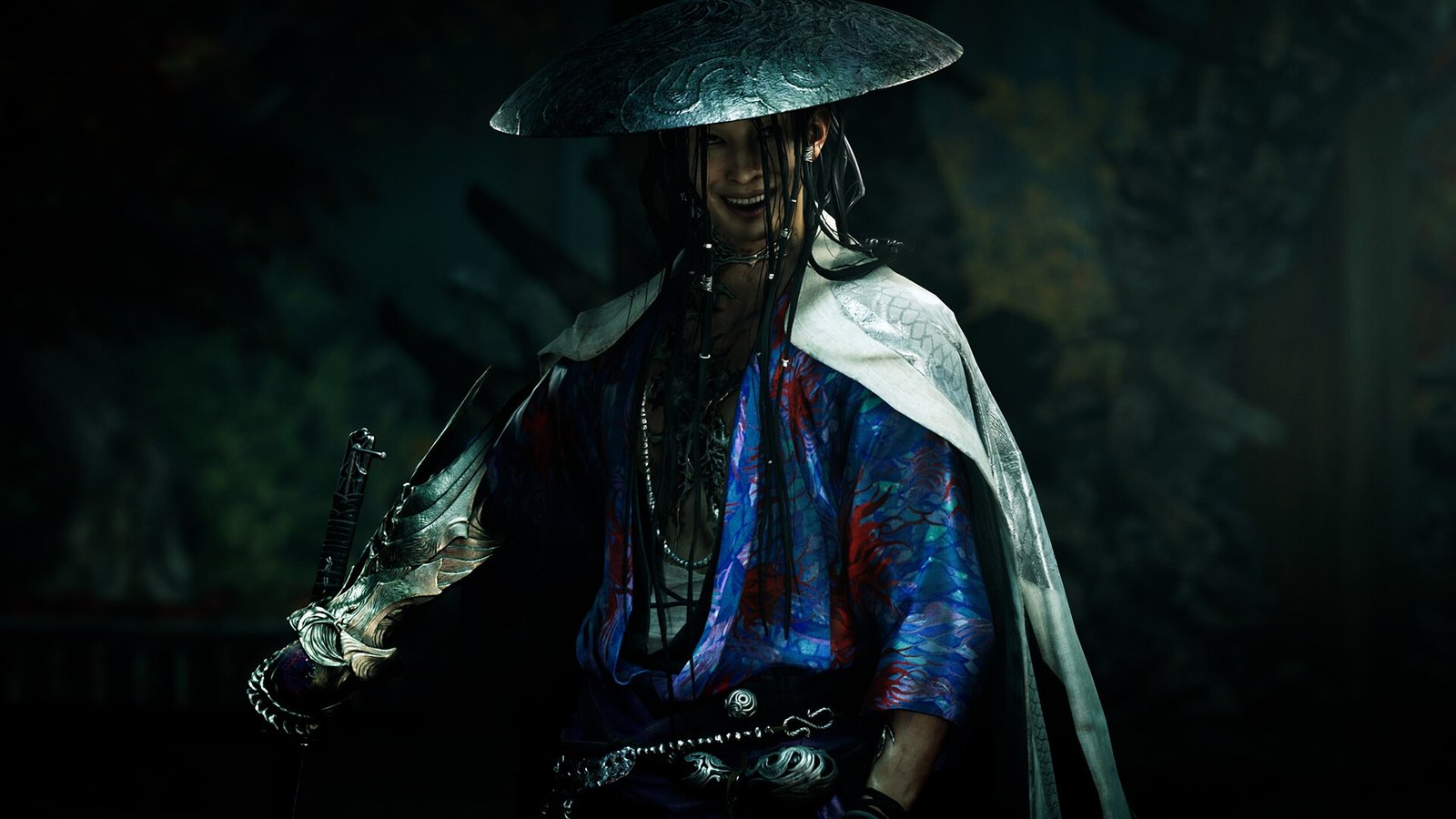
“Everyone will find a character they personally like. We think they’ll be memorable five, ten years down the line.”
For Kadowaki, one of the achievements he is most proud of remains the battle system itself, particularly how parrying can make some of Musashi’s most cinematic moments accessible without removing the depth available to players who want to master it.
“It’s something that’s accessible for lots of players, who can pull off these little cinematic actions,” he said. “It’s something we’re proud of to make work… If someone can master this battle system, they can find a lot of enjoyment in battles with the bosses.”
After 20 years away, perhaps that is the most important achievement. Capcom did not need to bring Onimusha back simply because there was still affection for the name. It needed an answer for what the series could offer after an entire generation of action games had evolved in its absence.
Onimusha: Way of the Sword does not abandon the ideas that made the series distinctive, nor does it pretend the genre stood still while it was gone. Instead, Capcom has taken Deflects, souls, sword commitment and cinematic samurai action and rebuilt them around what it believes Onimusha should be today.
Whether this really becomes the start of another long-running chapter remains up to Capcom and, ultimately, the players now getting their hands on it. For the first time in 20 years, though, Onimusha has the opportunity to find out.
Onimusha: Way of the Sword is available now for PlayStation 5, Xbox Series X|S, Nintendo Switch 2, and PC.
